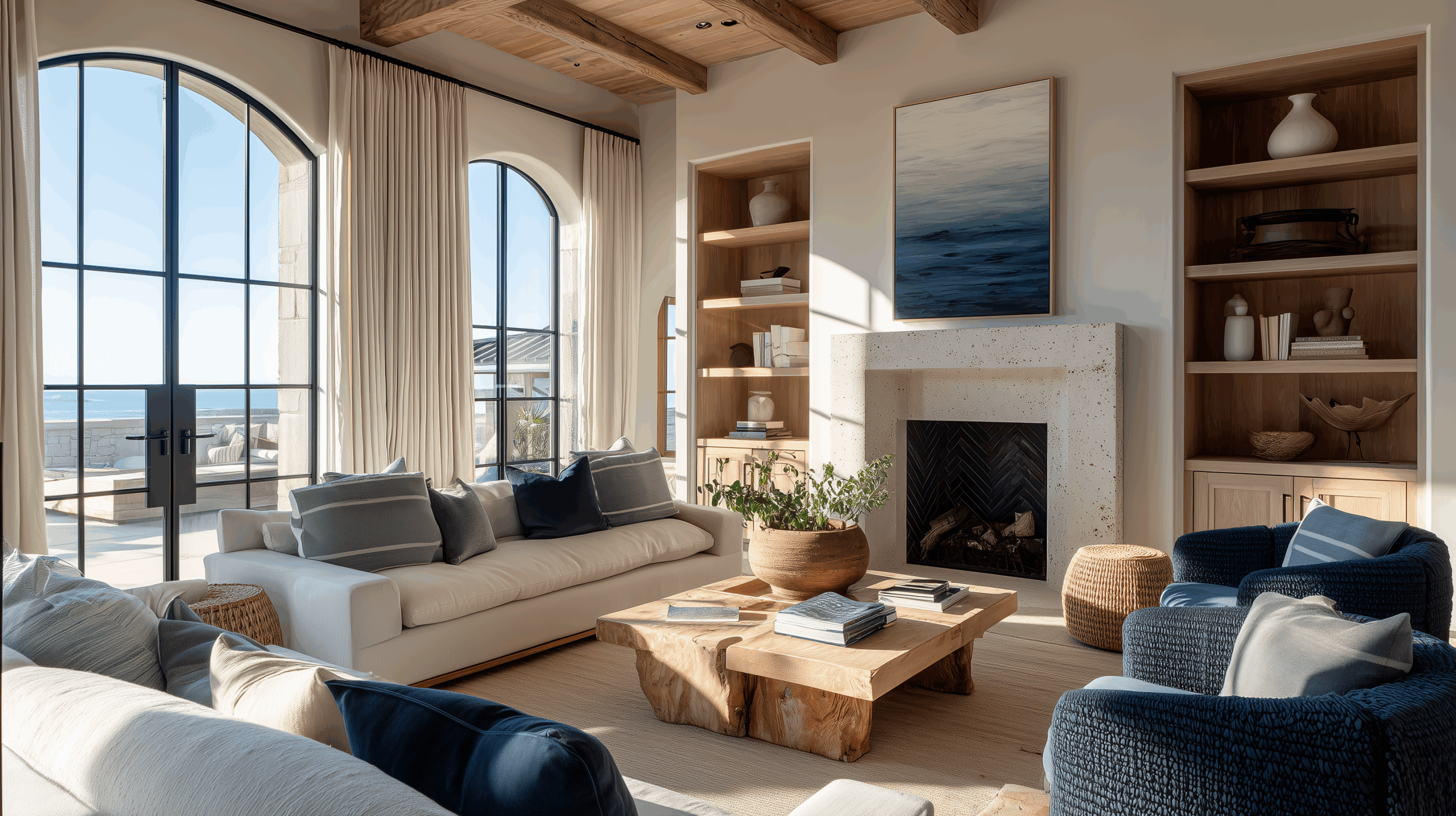
Want to decorate your home like an interior designer? If you’re not sure how to start decorating a room—and every choice feels risky—you might be skipping the most important step. Spoiler: It’s not paint colors and Pinterest boards. It’s about getting clear on your vision before the decisions pile up. This guide breaks it down—and shows you what most people miss.
You’re ready to redecorate. You’ve got ideas. You’ve got a Pinterest board so pretty it should be solving your problems.
You’re three clicks away from a checkout cart. That chair is cute. That rug is a steal. That table? Basically fate.
But you’re hesitating, and it’s not because you don’t have good taste.
It’s because something feels off, and you can’t explain why. Sound familiar? You’re not alone.
Here’s the thing no one tells you: Most decorating mistakes don’t start with bad choices. They fall flat because there was never a clear vision guiding them in the first place.
Hi, I’m Sarah, a hotel designer who’s worked on luxury spaces around the world, and I’ve taught over 40,000 students how to style their homes without losing their minds (or their savings).
But I’m also the friend who will talk you out of impulse-buying a giant boucle chair just because it looked good in someone else’s loft. Let’s get your space working for you.
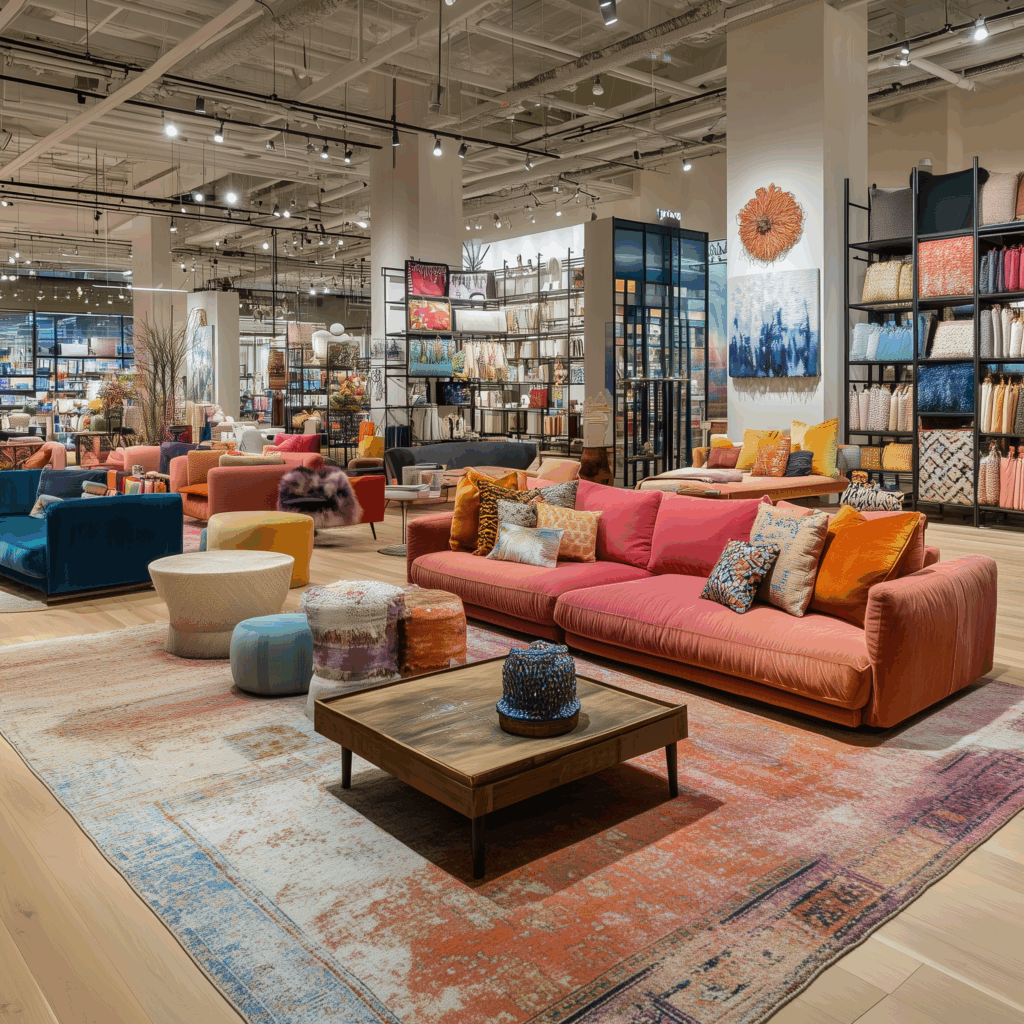
Most People Start with the Fun Part (That’s the Trap)
Let’s be real: shopping feels like progress. You find a chair you love, a paint color that’s trending, a chandelier that makes you feel something. You start buying. You start styling.
It’s easy to think, “If I just find the perfect rug, the room will come together.” Spoiler: it won’t. Not if you haven’t figured out the room’s purpose, vibe, and flow first.
That’s because decorating without direction is like trying to bake without a recipe—you might have great ingredients, but they don’t always work together.
Designers make it look effortless because they don’t guess. They plan first, then play.
You Need a Design Plan That’s Personal, Not Just Pretty
Pinterest is full of pretty spaces that look effortless, but behind every “effortless” room is a hundred thoughtful decisions. What you see is the end result, not the roadmap.
Pinterest is not a plan. It’s a highlight reel. A perfectly curated mix of beige linen sofas, sculptural lamps, and captions that say things like “effortlessly elevated” or “my forever mood.”
But when it comes to your own space? That board starts to betray you.
Because here’s the problem: most mood boards are built on vibes, not context. They don’t account for your oddly-angled living room, your toddler’s toy tornado, or the fact that you need to cram a desk into your dining area.
Designers don’t just ask what looks good; they ask what works for you.
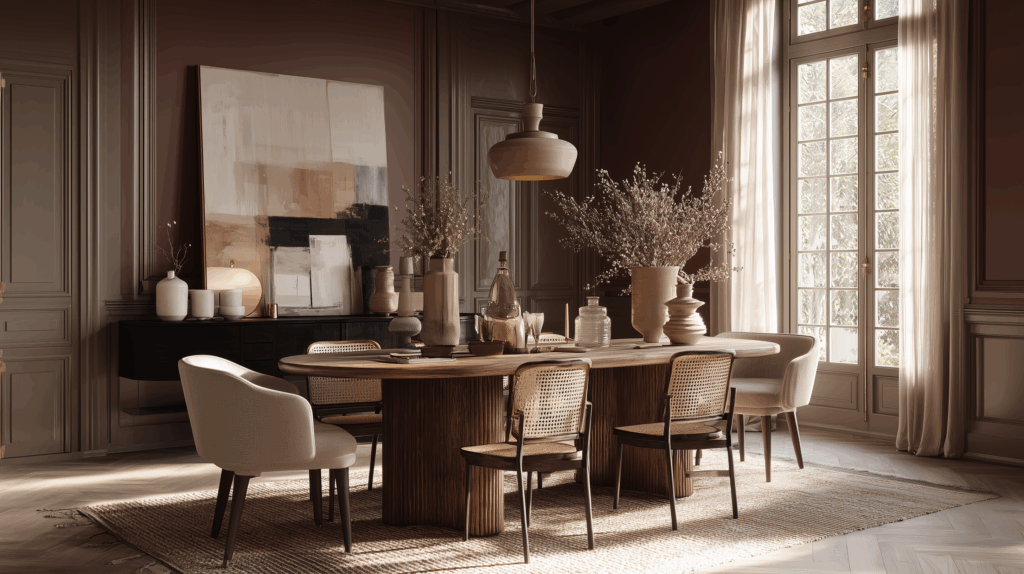
That’s why we pause before picking anything. We define how the space should feel, how it should function, and how it fits into your real life (not your inspo folder). Aesthetic is important, but if it’s not aligned with your space and your needs, it won’t stick.
If you dive into redecorating without that clarity? Every decision becomes very risky. Suddenly, buying a throw pillow feels like high-stakes roulette. You second-guess everything. You abandon carts. You spiral into “maybe I’ll just wait until next year” territory.
And the fun part? Not fun anymore. Just stressful.
3 Things You Must Do Before You Decorate Anything
Decorating without direction is like trying to bake a cake by guessing the ingredients. It might turn out okay… but it’s probably going to be a hot mess.
Here are the steps you need to take to get clear on before you even think about accessories:
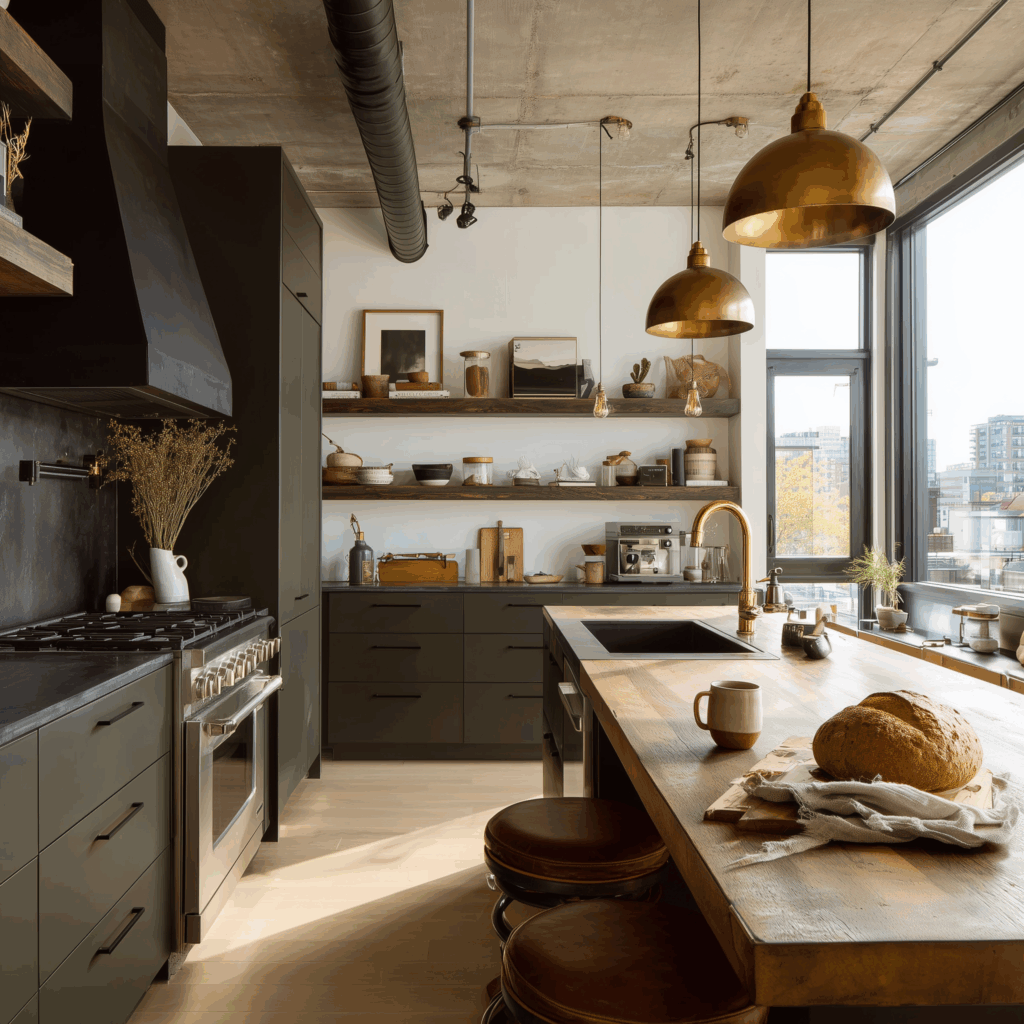
1. Decide how you want your space to feel.
Not just “cozy” or “elevated.” Those are vibes, not visions. Get specific. Is it dark and dramatic with moody lighting? Soft and serene like a Sunday morning?
Do you want the room to whisper “grown-up sophistication” or scream “cool aunt who owns three art prints and zero apologies”?Once you can name the feeling, it becomes a filter for every choice that follows.
2. Audit the Space You Actually Have (Not the One You Wish You Had)
Sometimes you’ve got good bones. Sometimes you’ve got a beige monster sofa from 2009. But you’ve got to face what you’re dealing with, or you’ll keep buying things that don’t solve the real problems.
This isn’t about limitations — it’s about designing with reality instead of fighting it.
3. Commit to an Aesthetic.
You don’t need to commit to “mid-century modern” for life. You just need a visual direction to filter your choices. A North Star. Something to help you say yes to the right things (and no to the distractions).
Because if you’re building a clean-lined, Mad Men–inspired living room, and suddenly start flirting with ruffled curtains and cottagecore whimsy… it’s gonna get messy. A style lens keeps you focused. And focused = fabulous.
Sounds simple, but without clarifying these three things, you’ll stay stuck in decision fatigue.
With them? You’ll have the direction to move forward and actually trust your choices.
And if you’re staring at this list thinking “cool, but how do I do that?”
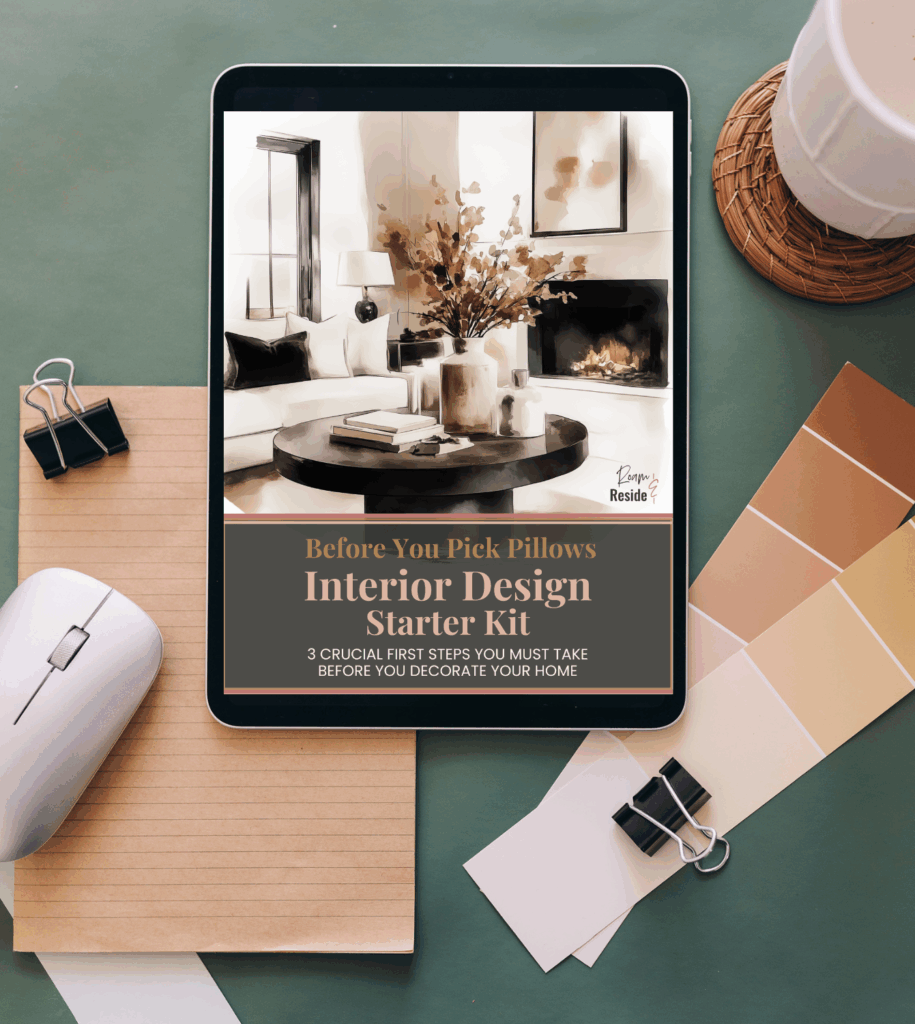
That’s where the Starter Kit comes in. It’s not a design course. It’s not a huge commitment. It’s a quick-start guide to get you clear before you start making expensive (and possibly chaotic) choices. It solves the first step most people skip—and the one that makes everything else easier.
Not Sure Where to Start?
If decorating feels confusing, overwhelming, or like you’re one throw pillow away from a breakdown…
You probably skipped the step every designer starts with: clarity.
That’s why I made the Interior Design Starter Kit. It’s the tool I wish everyone had before they started buying paint, pillows, or furniture they’ll regret later.
It’s just $9, less than a cocktail, and it’ll save you way more than that in returns, do-overs, and decorating regrets. No fluff. Just the clarity you need to get it right from the start.
I’ve worked with thousands of design students, and trust me, this is where most people go wrong.
They skip the vision. They skip the audit. They skip the plan. Then wonder why the room never quite comes together.
My Interior Design Starter Kit walks you through those crucial early steps (before you waste time or money on the wrong things).
It’s just $9. Designed to be quick, fun, and wildly useful. Your future self will thank you.
Because one good decision now can save you a hundred little regrets later.
How to Decorate Your Home Like an Interior Designer: FAQ’s You Need to Know
What if I don’t know how I want my space to feel?
Then that’s your starting line. It’s normal! A lot of people skip this question because it feels abstract, but it’s the foundation of great design. (Would you plan a trip without knowing where you’re going?) The Interior Design Starter Kit gives you the prompts to actually figure it out.
What’s the first step when decorating a room?
Forget paint swatches and impulse buys; those come later. The real first step is getting clear on how you want the room to feel. Designers start with clarity, not couches. Without that? You’re just guessing with your credit card.
Can I decorate a beautiful space on a budget?
Absolutely. But skipping the planning stage is what drains your budget faster than a designer sample sale. Start smart, and you’ll shop smarter. Promise.
How do I figure out what’s working in my space (and what’s not)?
It’s hard to judge your own space when you’re in it every day. It’s kind of like trying to cut your own bangs. My trick? Zoom out. What do you actually use, what feels “off” when you walk in, and what are you constantly trying to work around? My space audit helps you spot the sneaky design roadblocks that are quietly wrecking your vibe.
How do I figure out my interior design style?
You don’t need to commit to just one, but you do need to understand them. If you’re saving images from every style under the sun, it’s time to get clarity on what you’re actually drawn to and why. My Interior Design Style Journal helps you decode the looks you love, identify patterns, and narrow it down to a style (or two) that gives you a clear direction, without boxing you in.
What if I’ve already started decorating and it’s not working?
Don’t panic. You’re not stuck. Pause. Rethink your vision, audit your space, and make sure every new piece you purchase from this point aligns with that bigger picture vision. (And if you need some help, the Interior Design Starter Kit was made for exactly this moment.)
How do I stop second-guessing every decision I make?
Spoiler: you need a system, not more Pinterest boards. When you’re clear on your vision and direction, you stop asking “Does this match?” and start saying “This fits.” The Starter Kit helps you make decisions you can actually feel confident about, not just hopeful.
I like multiple design styles—how do I know what works together?
Don’t worry, you’re not alone. Loving a little coastal and a little Art Deco doesn’t make you indecisive. It makes you human. But if you’re mixing styles without knowing their rules, it’s easy to end up with a room that feels chaotic instead of curated. That’s why it helps to actually learn the basics of each style—what shapes, textures, materials, and colors define it. Once you know that, you can intentionally blend elements that play well together (and skip the ones that don’t).
Where do you go from here?
Redecorating should be fun. But it’s a whole lot more fun when you actually know what you’re doing. (No more mystery purchases that looked great online and feel… meh in real life.)
So many people start decorating with a vibe and a shopping cart, and then wonder why their space never quite comes together. But now you know better. (And you’ve got me in your corner.)
Before you buy another “maybe” rug or convince yourself the wall color is just “settling in,” grab the tool that saves designers and real people from design regrets.
The Interior Design Starter Kit is the pre-game you didn’t know you needed…until now! Get it here.
Want more help? Check out these posts next:
→ Why Pinterest Is Wrecking Your Room (And What to Do Instead)
→ Interior Decorating Mistakes People Make Before They Even Start
→ Small Bedroom Storage and Space-Saving Ideas
→ How to Pick Your Interior Design Style (Without Losing Your Mind)