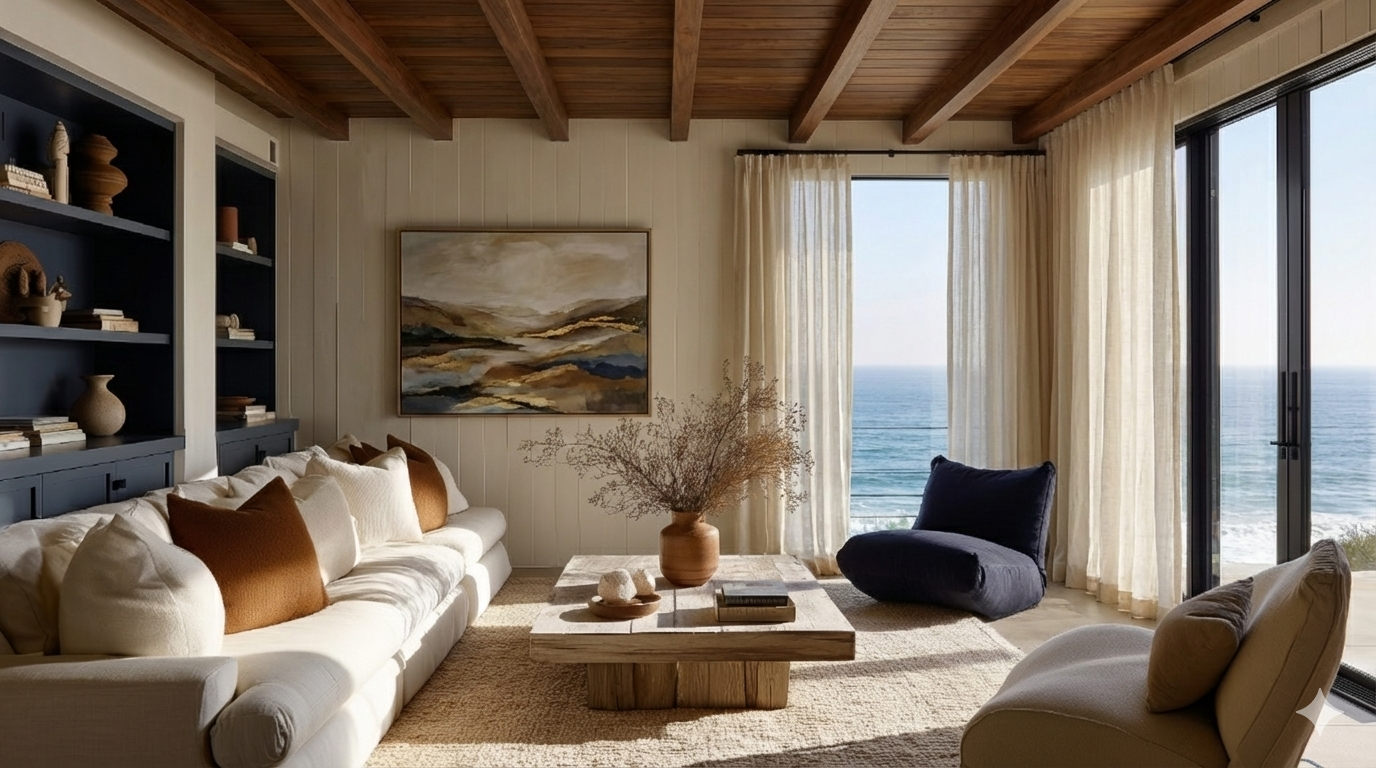
Interior decorating mistakes don’t just happen midway through a project, they start long before you pick paint colors or order furniture. This guide breaks down the most common beginning interior decorating mistakes homeowners make, why they derail your design before it even begins, and what to do instead so you can start with clarity, confidence, and a plan that actually works.
Have you ever bought a chair that doesn’t fit? Styled a shelf six times and still hate it? Been there.
Or, do you ever get halfway through decorating a room and think, “Why doesn’t this feel right?”
You get excited, fall in love with a sofa, pin a dozen dream rooms, and suddenly you’re knee-deep in returns, regrets, and a rug that doesn’t fit. Sound familiar?
Trust me, you’re not the only one. Fun fact—most decorating mistakes happen before you even buy anything.
You’re not alone, and you’re not doing it wrong. You’re just skipping a few essential steps. Totally fixable.
As someone who designs hotel rooms for a living (and also been guilty of a few unfortunate impulse buys myself), these are the most common early-stage mistakes I see. I’m here to help you avoid making them in your home!
The Early Interior Decorating Mistakes No One Talks About
So what are these sneaky mistakes that quietly sabotage even the most well-intentioned makeovers?
They’re the ones that happen before you hang the curtains or pick a paint color.
These are the biggest mistakes I see clients, friends, and even my past self make—plus the smart pivots that’ll save you from the same design regret.
Mistake #1: You Bought the Rug, Didn’t You?
It’s always the rug. Or the chair. Or the one “perfect” piece that throws everything else off because it came before the plan.
We’ve all done it: fall head over heels for a stunning sofa and build an entire room around it—only to realize it doesn’t fit (in scale, color, or vibe). Impulse buys aren’t bad—but without context, they’re risky.
What to do instead:
Start with vision, not vibes. Clarify how you want the room to feel, how you’ll use it, and what you actually need.
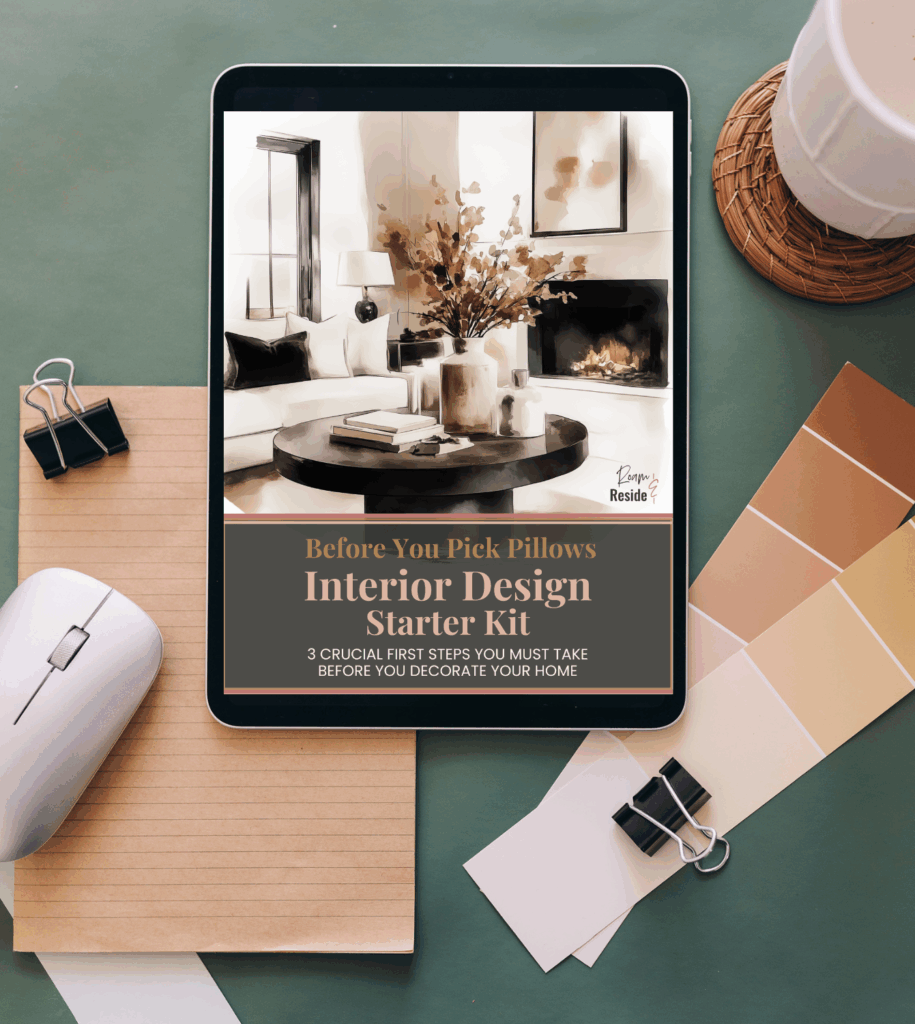
Before You Buy Another Thing…
If this all feels a little too familiar, don’t worry—it’s fixable.
The mistake most people make isn’t bad taste—it’s skipping the first steps.
My $9 Interior Design Starter Kit helps you zoom out, clarify what matters, and make smart decisions before you buy a single thing.
So the next time you shop? You’ll actually know what you’re looking for.
Mistake #2: Designing Around the Dream, Not the Reality
It’s easy to plan for the space you wish you had. (Guilty.)
But if you don’t factor in the weird nook, the off-center window, or the lack of outlets, your dream layout will stay just that—a dream.
Think about it. If your room’s layout feels off, your storage’s a mess, and the lighting’s doing you zero favors, you’re going to need more than a new lamp.
What to do instead:
The Starter Kit includes a space audit that helps you figure out what’s working, what’s not, and what to fix first—before you spend a dime.
Mistake #3: The Pinterest Fail
It looked easy. Layered. Dreamy. Like “yes, I could totally live there.”
But that Pinterest room has 11-foot ceilings, natural light for days, and a $14,000 rug. And you’re trying to make it happen in your 10×12 bedroom with one sad window and a cat.
What to do instead:
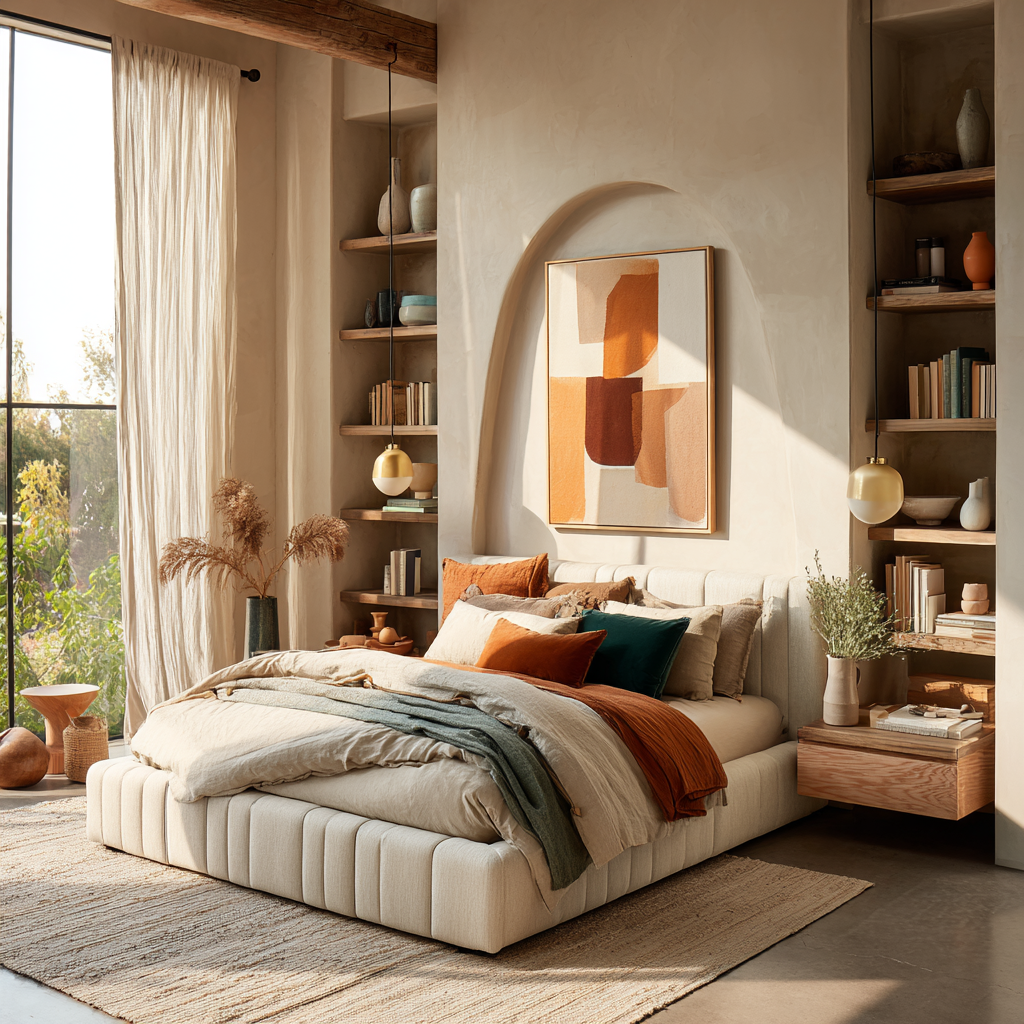
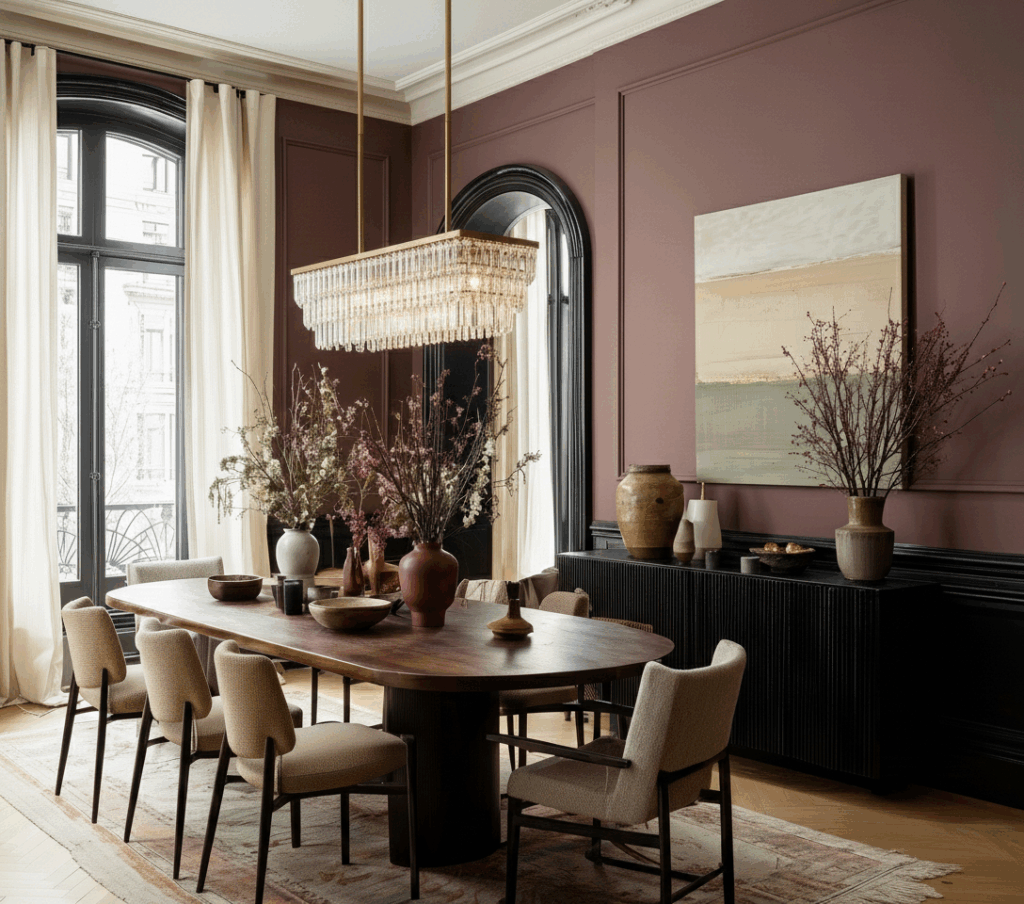
Use inspiration wisely. Learn to dissect what you love in a photo—and why. Start by defining the vibe, mapping out the function, and choosing your anchor pieces (like the sofa or bed). Then layer in the rest—lighting, accents, styling—over time. Design works better when it’s a thoughtful build, not a speed-run to “done.”
Mistake #4: You Didn’t Measure, Did You?
No judgment—but if you skipped the tape measure and just eyeballed your room, we’re in dangerous territory.
Designing without a space audit is like online dating with no profile pic. Risky. You think you know what you’re working with… until the sofa shows up and swallows half the room, or your dreamy nightstands block the closet door.
It’s not just about dimensions—it’s about function. Where’s the traffic flow? Where’s the natural light? Where do you drop your bag every day? These little details can make or break how a room works, not just how it looks.
What to do instead:
Treat your space like a client. Walk it. Observe it. Measure it. Ask it what it needs (yes, really). Then plan from there.
Mistake #5: You’re Stuck in the Style Guessing Game
Waiting for your style to magically appear mid-sofa purchase? Risky.
If your space is giving a little farmhouse, a little glam, and a touch of “I panicked at HomeGoods,” it’s not your fault. So many people say, “I don’t know my style”—but what they really mean is, “I like too many things.”
Trying to wing your style as you go usually ends in Frankenstyle—aka a room that feels like a patchwork of Pinterest boards.
What to do instead:
Start paying attention to why you love the spaces you love. Is it the texture? The calm color palette? The mix of vintage and modern?
And if you want a little help connecting the dots? That’s where this comes in…
Still Not Sure What Your Style Is? You’re Not Alone.
After working with 40,000 students, I noticed a pattern: the style confusion spiral:
“I like everything.” “I don’t know what I want.” “Why does my room look chaotic but not cool?” Sound familiar?
So I made the Interior Design Style Journal.
With tons of pretty pictures and prompts, it helps you stop guessing, start noticing, and actually enjoy the process of figuring out what feels like you.
No more Frankenstyle. Just clarity, finally.
Mistake #6: The Wrong Piece in the Right Room
That piece you love? It might be the problem. Hate to break it to you, but not every great piece works in every room.
You might love that sculptural armchair or dramatic bed frame—but if it overwhelms the space, it’s not elevating anything.
What to do instead:
Think scale first. Then ask: Does this piece earn its footprint? If not, it might belong in another room (or another home).
Mistake #7: You’re Making the Room Fit the Furniture (Not the Other Way Around)
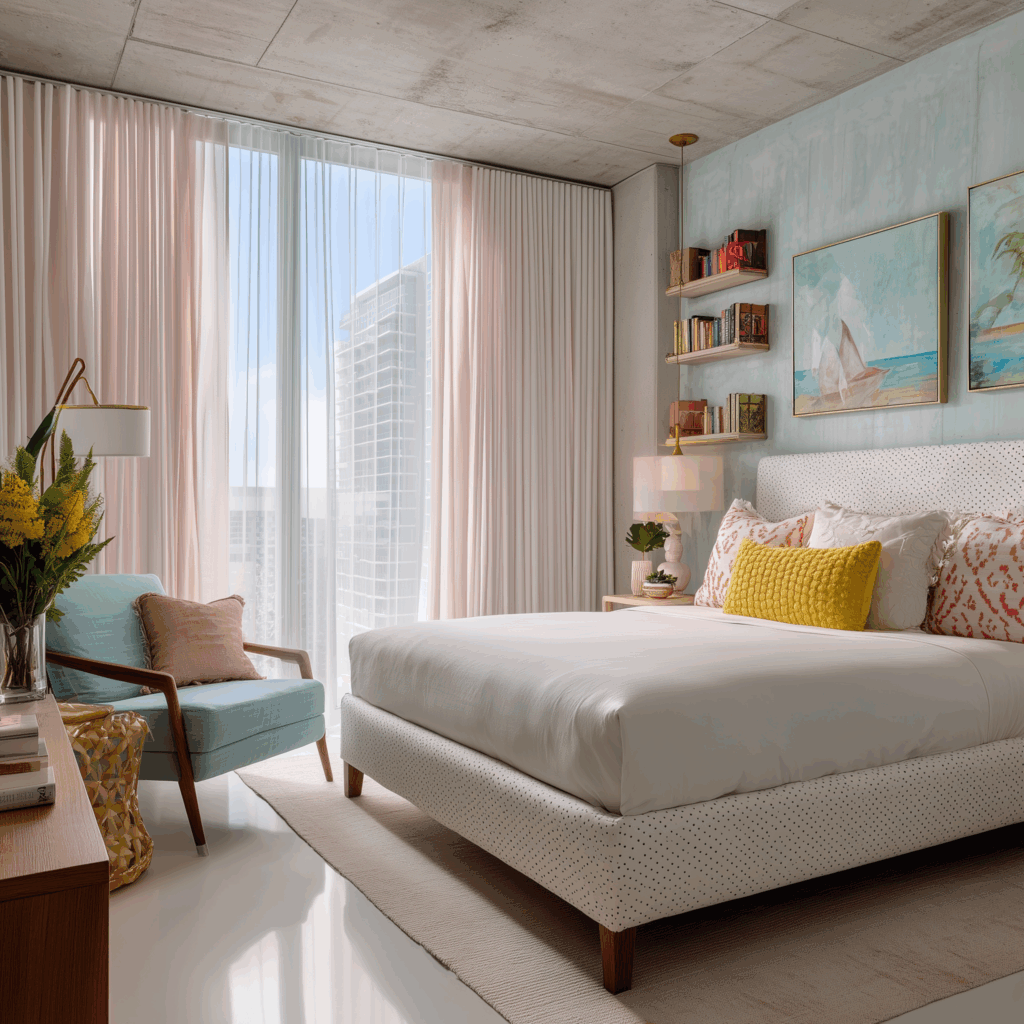
Just because the listing says “queen-sized bed” doesn’t mean your room is begging for one.
Trying to jam furniture into a space without thinking about flow, function, or feel is how rooms end up looking off—and feeling worse.
What to do instead:
Start with how you move through the room. What needs to breathe? What’s blocking your energy (or your closet door)? Design isn’t just about what fits. It’s about what fits well.
Mistake #8: The Furniture Fumble
There’s this idea that everything has to be centered, balanced, symmetrical. But sometimes the best layouts are a little off-center, a little unexpected—and way more functional.
What to do instead:
Forget perfection. Start with how the space feels when you walk through it. Try different furniture orientations, skip the bulky matching sets, and don’t be afraid to break a few “rules.” The most interesting rooms usually do.
Mistake #9: Relying on Vibes Instead of a Plan
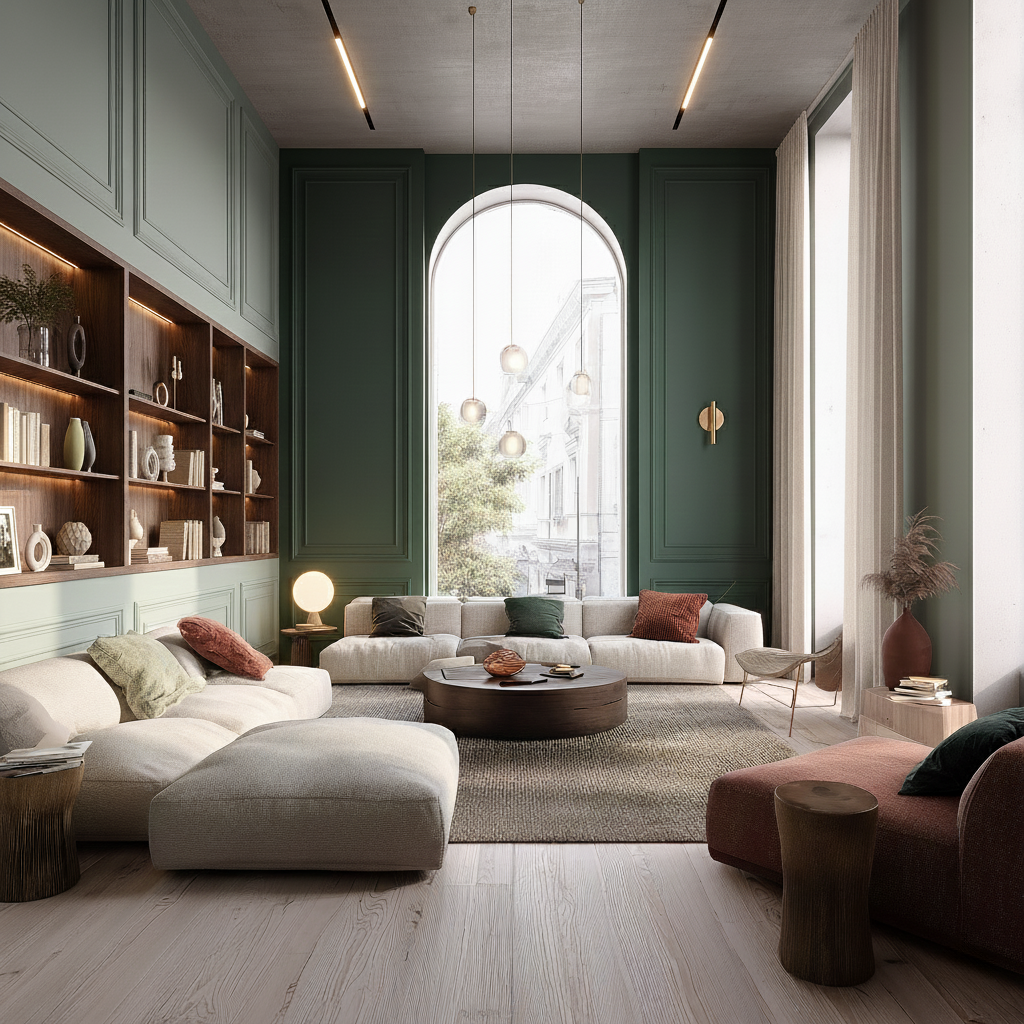
You know what you like—until you see something else you like. And then it’s “wait, maybe I’m modern organic… or more minimal coastal?”
Without a clear vision, every decision feels like a gamble. Your room becomes a mashup of good ideas that don’t go together—and a room that doesn’t know what it wants to be.
What to do instead:
Pick a direction and stick with it. You can still mix styles, but it has to be on purpose.
Mistake #10: Filling Every Corner Doesn’t Make It Feel Finished
You’re trying to “complete” the room by adding more—another throw, another print, another piece of furniture to fill the space. But instead of feeling chic, it looks cluttered.
Too much styling starts to feel like noise. More stuff won’t fix a missing design direction. Without clarity, you end up with visual chaos and no real focal point.
What to do instead:
Give your design room to breathe. Edit more than you add. Focus on a few bold, intentional choices and let them land. The most confident rooms aren’t busy—they’re balanced.
FAQs: Because “Just Wing It” Isn’t a Good Decorating Strategy
What’s the first thing I should do before decorating a room?
The first step isn’t shopping—it’s clarity. What’s the purpose of the room? How do you want it to feel? What’s already working (and what’s not)? Most people skip this, then wonder why nothing fits—literally or stylistically. Most decorating missteps happen when you jump to solutions without defining the problem first. That’s why I created the Interior Design Starter Kit: to help you set the foundation before you decorate yourself into a corner.
Why doesn’t my room look like the Pinterest inspo I save?
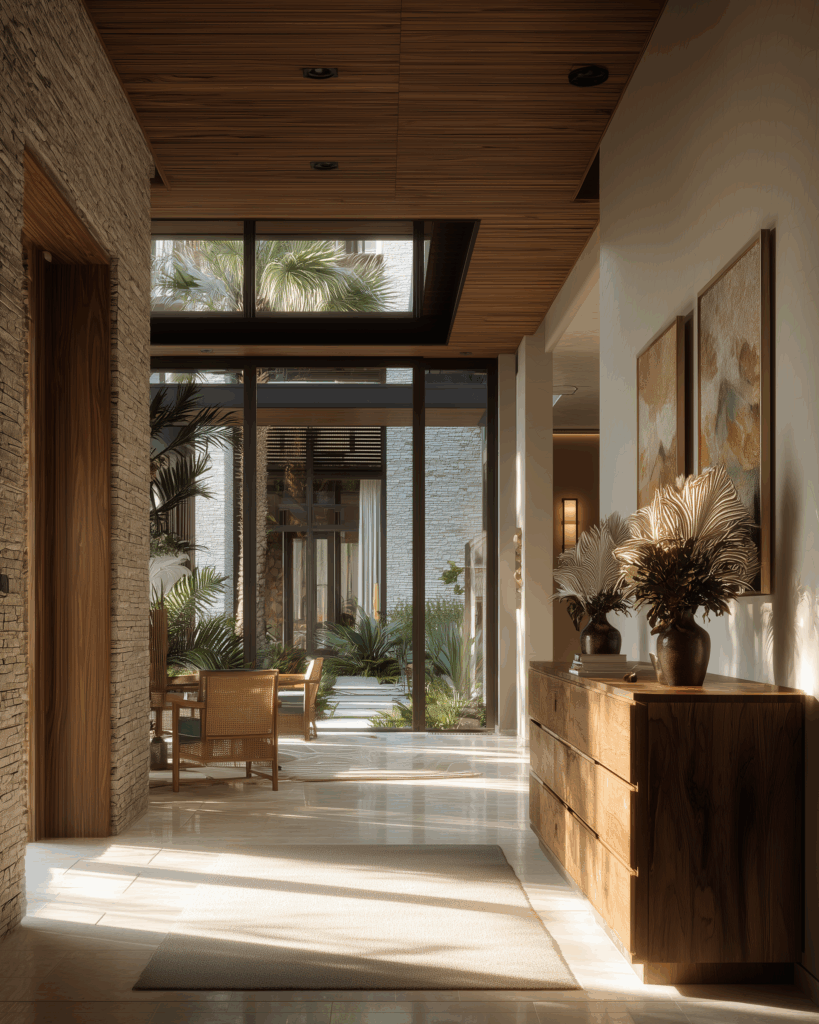
Because design isn’t copy-paste. What works in a sun-drenched beach house or a $3M brownstone might not work in your rental with weird lighting and wall bumps. Inspiration photos aren’t instructions, they’re ideas. They don’t show you the precise dimensions, lighting conditions, or furniture scale of someone else’s space. So when you try to copy without adapting to your own walls and windows, it falls flat. The difference between “Pinterest pretty” and “my room feels good” is understanding what works in your space versus what looked good in a photo.
How do I avoid making expensive decorating mistakes?
Start by slowing down. Most decorating regret comes from rushing: buying without a plan, measuring after the sofa arrives, chasing trends without asking if they fit your space. Mistakes are normal—but most are avoidable when you pause to define the why before the what. The good news? That’s exactly what my Starter Kit is for.
What’s the biggest home decorating mistake people make?
Buying one random piece at a time. It’s easy to impulse-buy a lamp here, a rug there, a piece of art that’s “cute.” But without a bigger vision tying it all together, those choices start to conflict. Your home ends up feeling like a collection of guesses instead of a cohesive story. Want to avoid that? Start with clarity, not chaos.
How do I figure out my interior design style when I like everything?
Ah yes, the “style salad.” You’re not indecisive—you’re just exposed to too many good ideas. The trick isn’t picking a label (Modern? Organic? Eclectic?)—it’s identifying the through-line. What do all your favorite spaces feel like? What keeps showing up? My Interior Design Style Journal was made to help you spot those patterns—and confidently design from them.
What if I like too many interior design styles and can’t choose?
Welcome to the club. Great taste can be a double-edged sword—it means you’re inspired, but also easily overwhelmed. The goal isn’t to limit yourself—it’s to filter through what actually works together. Once you get clear on the mood and the purpose, editing your style gets easier (and kind of fun).
How do I make a room feel designed, not just decorated?
Decorating adds things. Designing arranges them with purpose. A designed room considers flow, lighting, contrast, function, and how everything relates. It’s not about buying more—it’s about editing well. (Bonus: it usually looks more expensive, too.)
Where Do You Go From Here?
If any of those mistakes felt a little too familiar—good. That means you’re paying attention. Design isn’t about perfection. It’s about intention. And now? You’ve got the clarity to stop guessing and start designing on purpose.
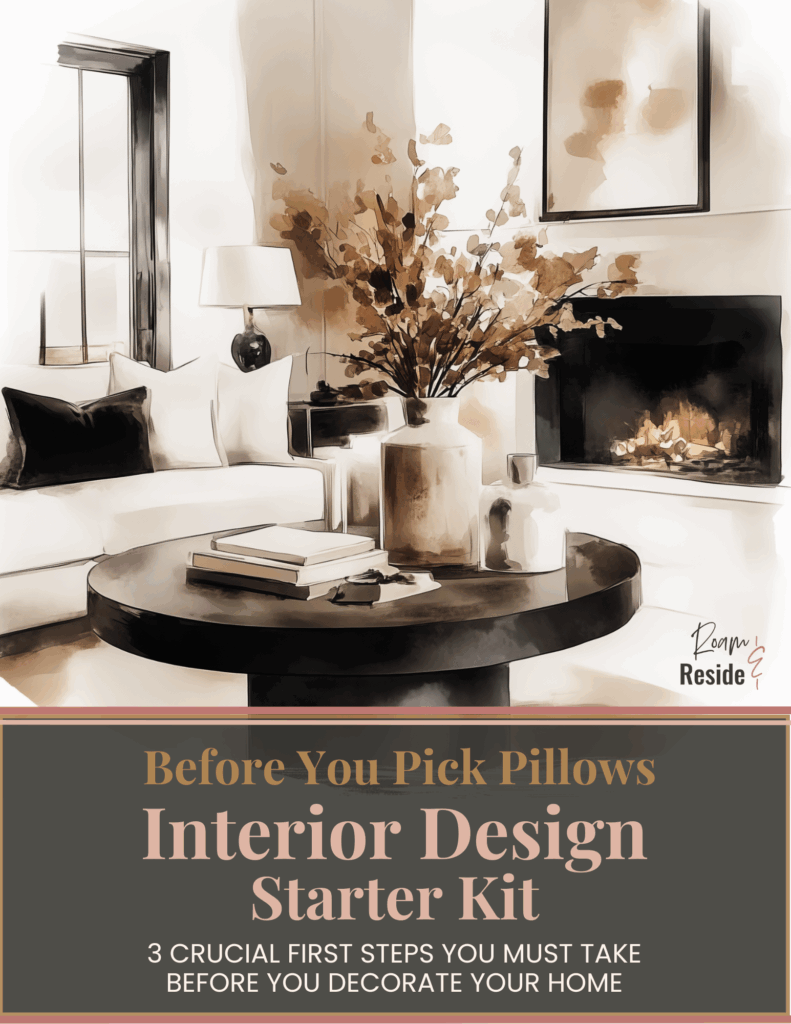
Whether you’re decorating your first apartment, refreshing a tired space, or finally ready to do it right, the Interior Design Starter Kit is your next best step.
It walks you through the three questions most people skip—but shouldn’t:
- What’s the vision?
- How does the space actually work?
- What style makes sense for you?
So instead of winging it (again), you’ll have a strategy. One that saves you from decision fatigue, design regret, and accidentally spending $600 on a chair that looked cooler online.
Want More Design Help? I’ve Got You.
If you’re ready to turn clarity into action, these posts are packed with space-savvy tips, boutique hotel tricks, and smart styling moves you can use right now. Whether you need space-saving magic or just better shelf vibes, start here:
→ 15 Space-Saving Ideas for Small Bedrooms (That Don’t Sacrifice Style)
Because a small space deserves big design energy.
→ Fabric-Wrapped Headboard Walls: A Hotel Designer’s Guide to 5-Star Bedroom Style
The best way to make your bedroom feel boutique—and a little bougie.
→ Shelf Styling Tips: Because Open Storage Only Works If It Looks Good
A crash course in “effortless but styled.”
→ Throw Pillows: More Than Fluff
Yes, they matter—and no, you don’t need a million.
→ Hotel Designer Tricks That Make Small Bedrooms Feel Bigger (and Better)
Proof that luxury isn’t about size—it’s about smarts.
→ Why Impulse Buys Wreck Your Style (and What to Do Instead)
Spoiler: it’s not about shopping less—it’s about shopping smarter.