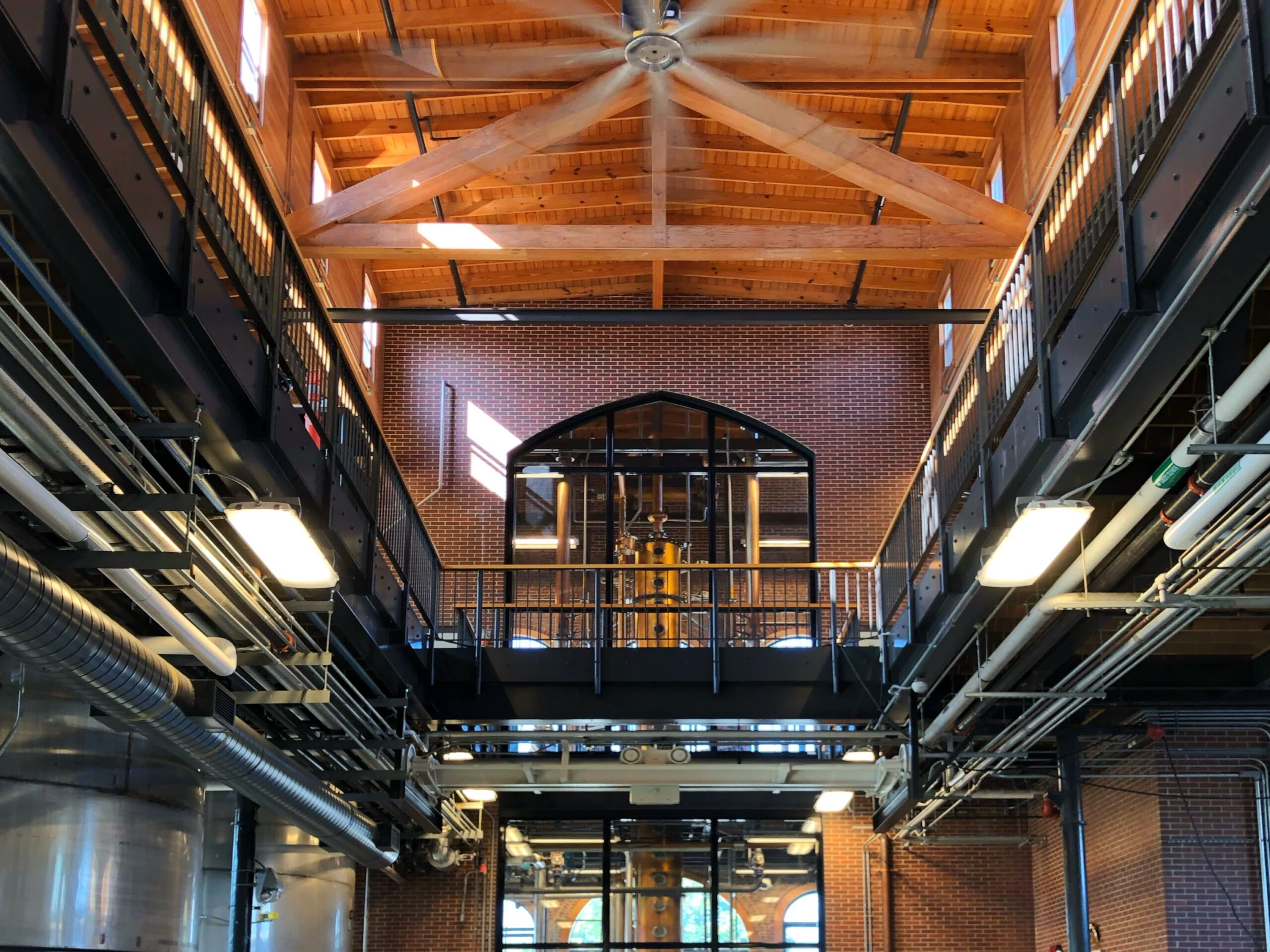
Think the Bourbon Trail is all whiskey bros, taxidermy, and cheesy tours? You’re not wrong. But it doesn’t have to be. This Aesthetic Bourbon Trail Travel Guide shows you the distilleries, bottles, and boutique hotel stays that are actually worth your time, for travelers who want a little style with their sips.
Think the Bourbon Trail is all dark bars, taxidermy, and whiskey bros? Think again.
My bourbon story doesn’t start in Kentucky. It starts on a construction site. One of those long days where I’d traded stilettos for steel-toes, ended up on a rooftop, basking in that golden-hour glow while secretly stressing about my hard hat hair.
I was trying to be the cool girl, holding my own with the construction crew. One of those guys handed me a pour of bourbon, neat, no frills, and suddenly I got it. The warmth, the edge, the comfort. It felt like getting a big, strong hug after a hard day. That’s when bourbon stopped being just a drink and started being my thing.
Here’s the thing about the Bourbon Trail: most people are doing it wrong.
They’re out here collecting stamps like it’s a whiskey-themed scavenger hunt — rushing through the big-name spots, buying overpriced merch, and choking down bad Old Fashioneds at places that feel more Disneyland than distillery.
I design bars for a living — which means I’ve got a low tolerance for bad vibes and even lower patience for places that try too hard. I care how a pour lands. I clock the backbar. And I have extremely high standards for bourbon ice (better be a clear block with NO bubbles).
This guide isn’t just about booze — it’s about beauty, branding, and standout stops.
Let’s blaze the bourbon trail, and I’ll share my fave finds. Keep reading to the end (I saved the best for last). You in?
Also, if you’re looking for the most unique and aesthetic hotels on the Bourbon Trail, check out this post.
This post may include affiliate links. If you choose to book through them, I may earn a small commission at no extra cost to you.
Before you Hit the Trail, You’re Gonna Wanna Grab This
The Bourbon Trail has 95 distilleries. Your liver has limits. Choose wisely.
Luckily, I’ve put all of my top distillery and hotel recs into this free download guide.
Snag it now for the best sips, stays, and snaps on the trail.
The Architecture of Bourbon: The Most Beautiful Stops on the Bourbon Trail
The Bourbon Trail isn’t just about what’s in the glass. The best distilleries are architectural destinations in their own right. Most people miss it entirely because they’re focused on the pour. You won’t.
Nobody talks about Bourbon Trail architecture. They should. From Castle & Key’s 1887 limestone castle and restored springhouse to Old Forester’s industrial bourbon noir on Whiskey Row — all designed to make you feel something before you ever take a sip.
As a hospitality designer I am contractually obligated to notice when a ceiling is doing something interesting. Occupational hazard.
Castle & Key’s springhouse? Doing something very interesting. Old Forester’s industrial catwalks? Also yes. Buffalo Trace’s 200-year-old weathered brick? Don’t even get me started. You don’t have to be an architecture nerd to appreciate any of this. But if you are one, buckle up.
🥃 Bulleit — Great Bourbon, Boardroom Vibes
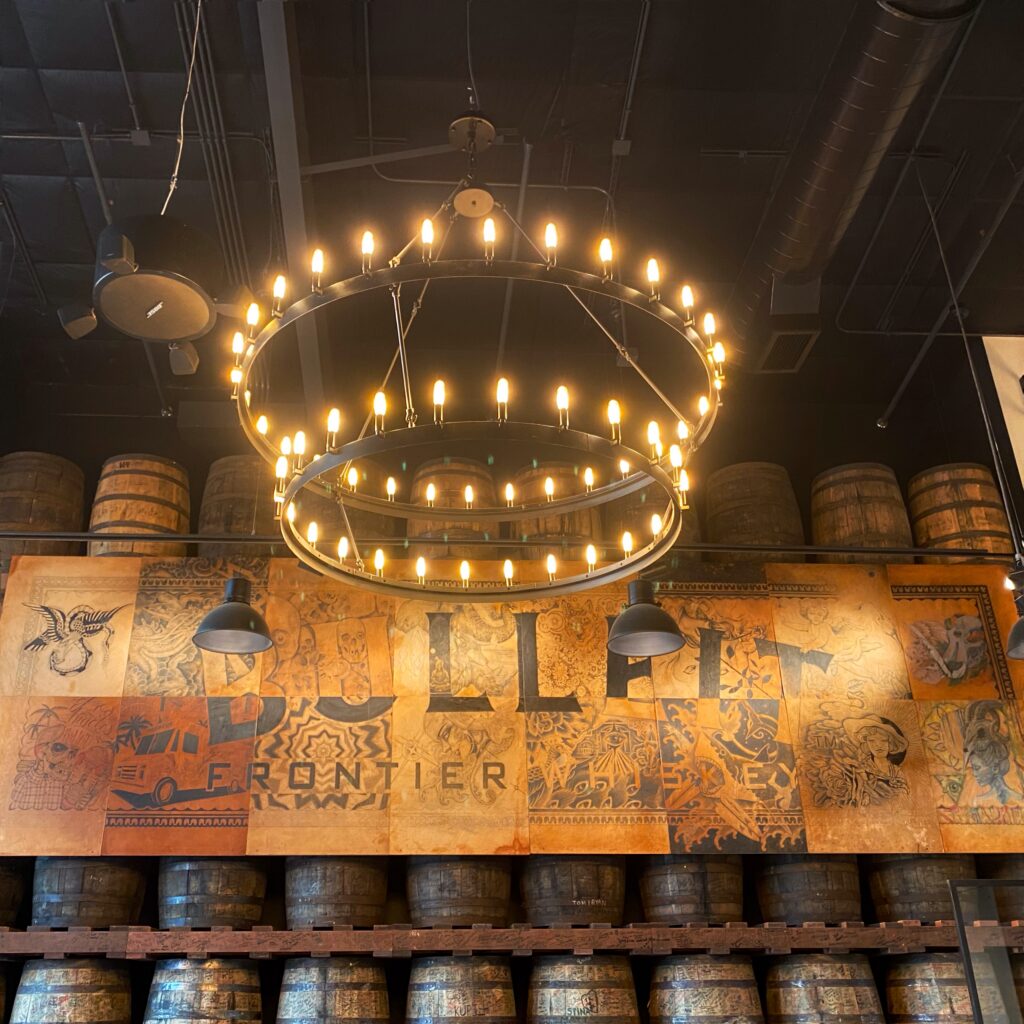
Yeah, I know (go ahead and roll your eyes) — sure, Bulleit can feel touristy. But have some respect, folks, here you’re standing on holy bourbon ground. But unless you know the backstory, you’d never realize it.
Fun Fact: The Bulleit distillery sits on the old Stitzel-Weller grounds — a place so legendary they once hung a sign out front that read, “No Chemists Allowed.” Translation: bourbon here was made with craft, not calculators. This is where wheated bourbon got its swagger, birthing icons like Weller, Old Fitzgerald, and eventually Pappy Van Winkle. Name drop those bad boys for some serious bourbon flex.
Bulleit makes my cut because the bourbon is good — full stop. It’s a bottle I keep on hand, and one I’ll reach for when I want a cocktail that never disappoints.
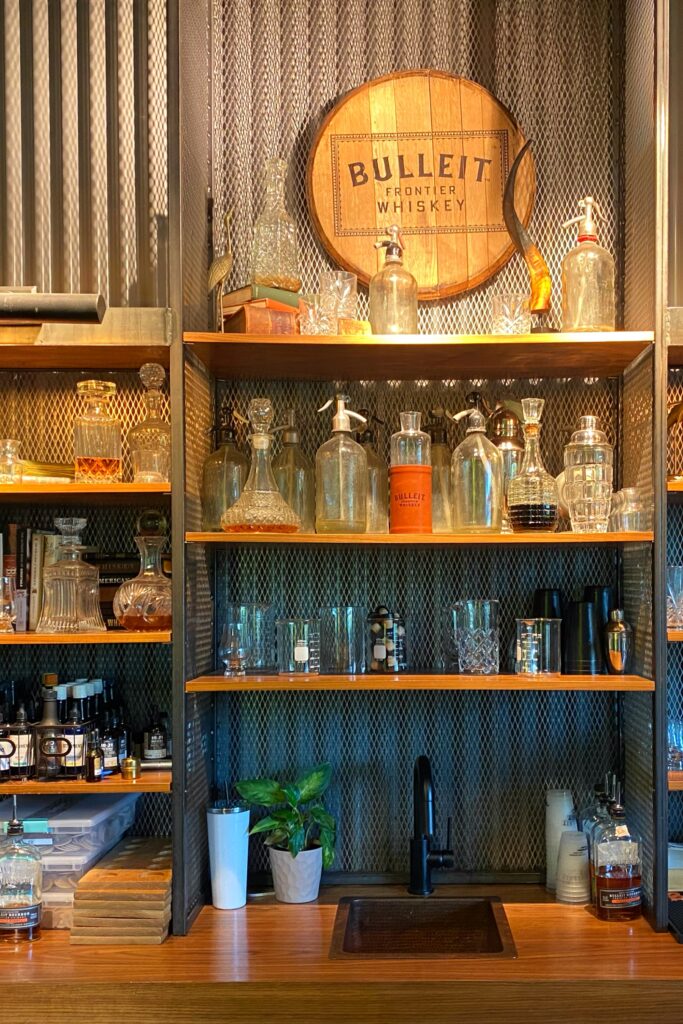
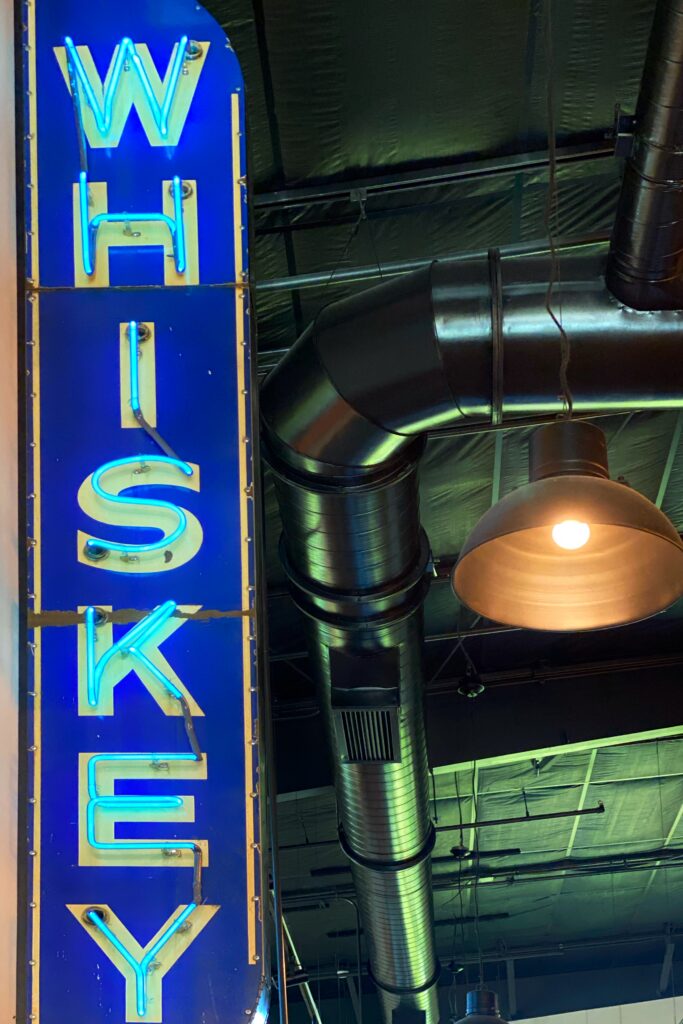

The distillery tour though? Meh. The space was fine. But the tasting felt a little corporate, almost bourbon by PowerPoint. Like someone in a blazer walked through and said, “Let’s make this fun,” and then absolutely didn’t. Yeah, that.
So is it worth a stop? Only if you’re already a Bulleit fan and want to stand on hallowed Bourbon-ground. Otherwise, keep a bottle in your bar cart, pour one at home and keep moving — I promise, the trail gets way better from here.
🥃 Four Roses — The Crush That Was Better in My Head
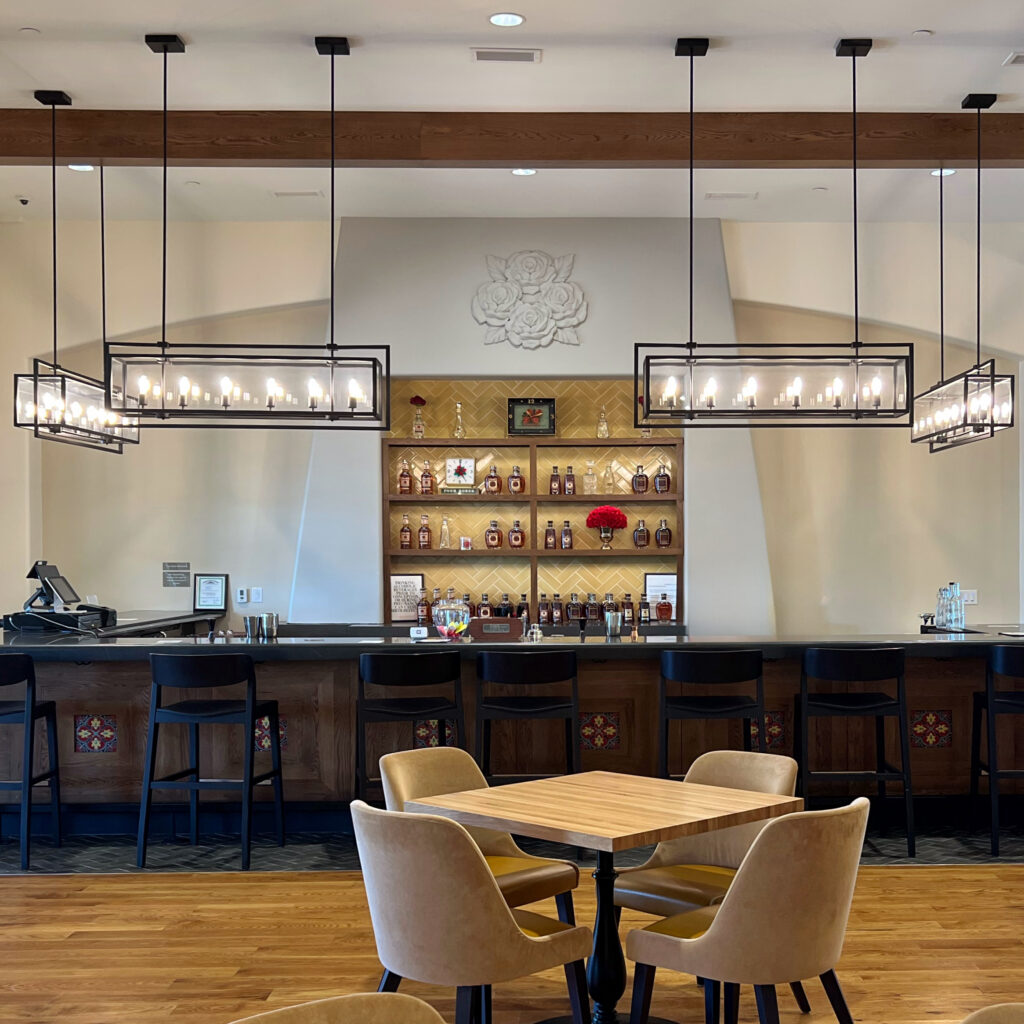
Four Roses isn’t just another bottle, it’s Bourbon’s greatest love story. A Kentucky distiller falls for a Southern belle, proposes, and she shows up to a ball wearing a corsage of four roses to say yes. He names his whiskey after her in that moment. That’s it. That’s the brand.
Imagine being such a force a man builds an entire bourbon empire around you. #goals.

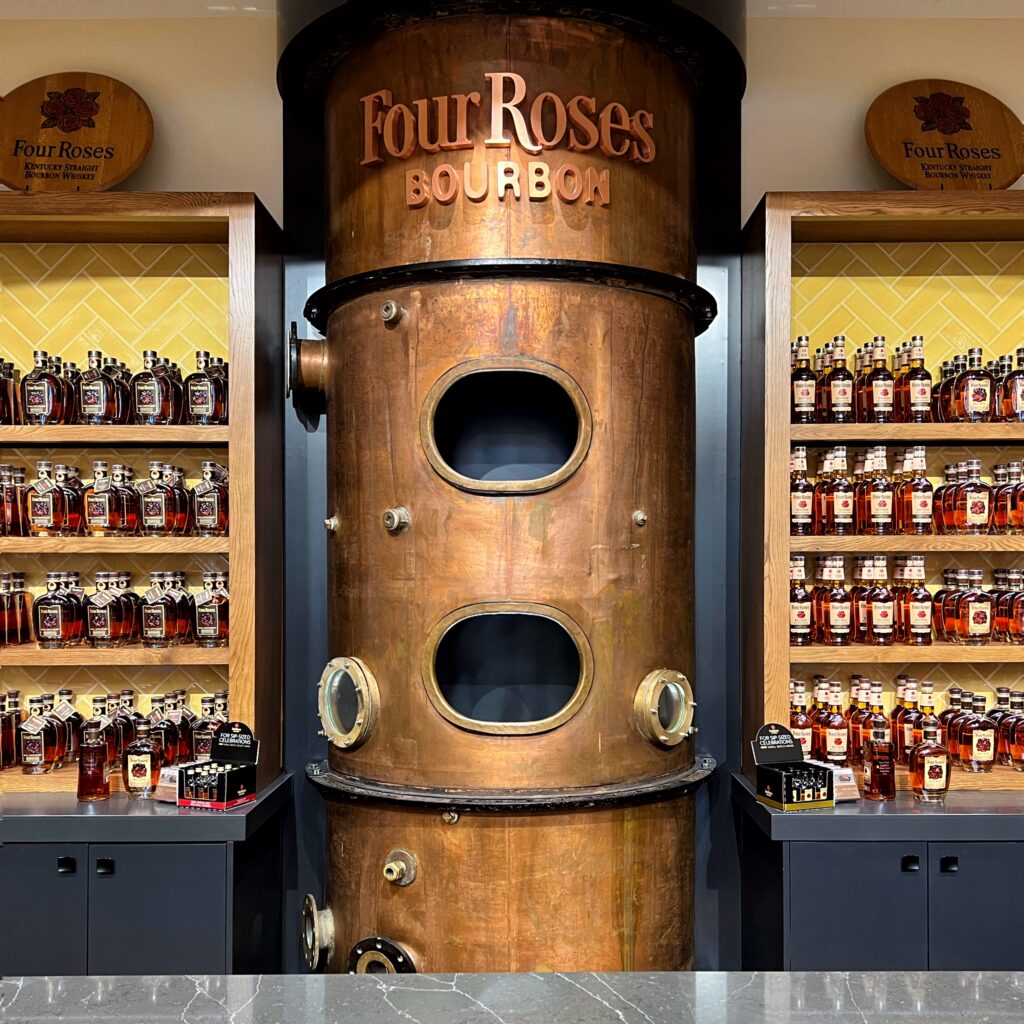
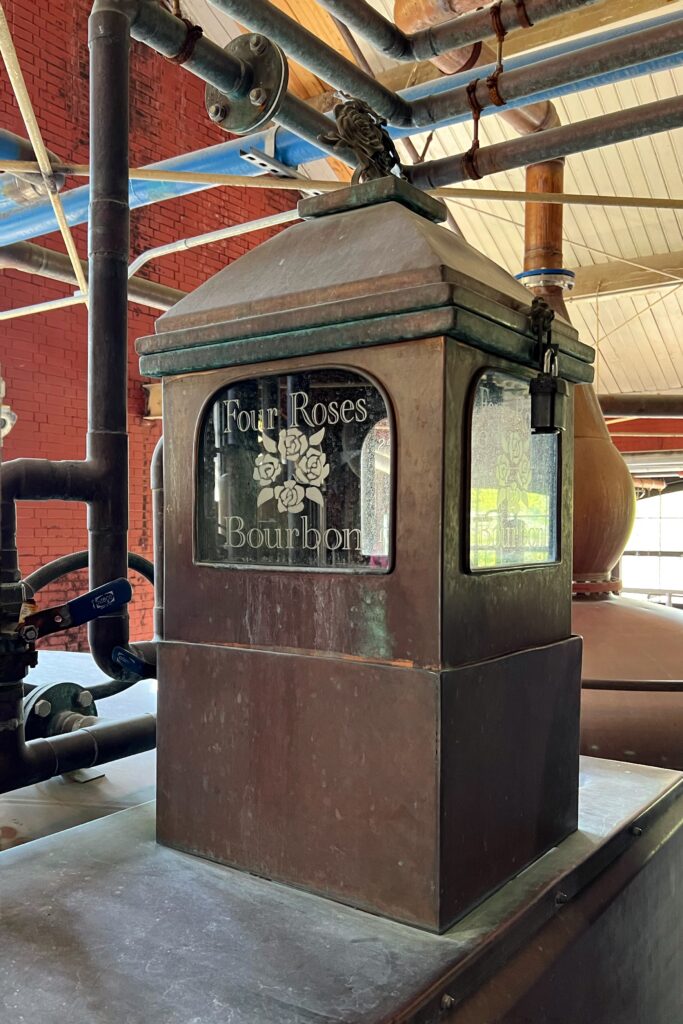
I’ve always had a thing for Four Roses. Gorgeous bourbon, easy to love, the kind of bottle you actually want people to see on your bar cart.
Which is why I wanted the distillery tour to sweep me off my feet. I wanted candlelight. Fireworks. Instead, it felt more like a polite first date where the conversation fizzled. Not bad, not tragic — just… no butterflies.
So yeah, pour Four Roses. Toast to the girl. But if you’re looking for a distillery that sweeps you off your feet, this one might not be the love story. You can swipe left.
🥃 Old Forester — Come for the Show, Stay for the Shots
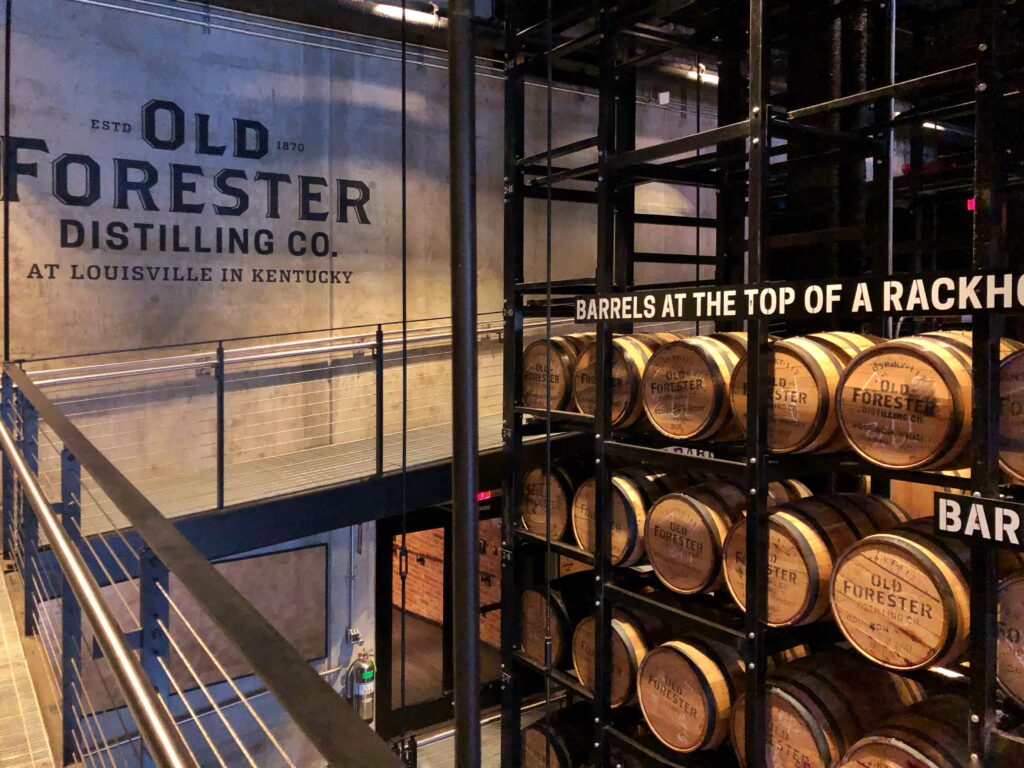
Old Forester. File this distillery under “aesthetic wins.” Dark, moody, dramatic. Like bourbon noir. It’s on Louisville’s Whiskey Row with an actual working line inside: you watch fermentation, distillation, barrel-making (yes, real charring), maturation, and bottling; from start to finish in one building.
But the room that stops you cold? The tasting room. It sits in the heart of the distillery; a long table anchored right in the middle of it all, catwalks snaking overhead, racks of bourbon barrels climbing the walls around you. And then those stools. Bright orange. Punchy and unexpected against all that dark wood and aged oak. Bold choice. Loved it.
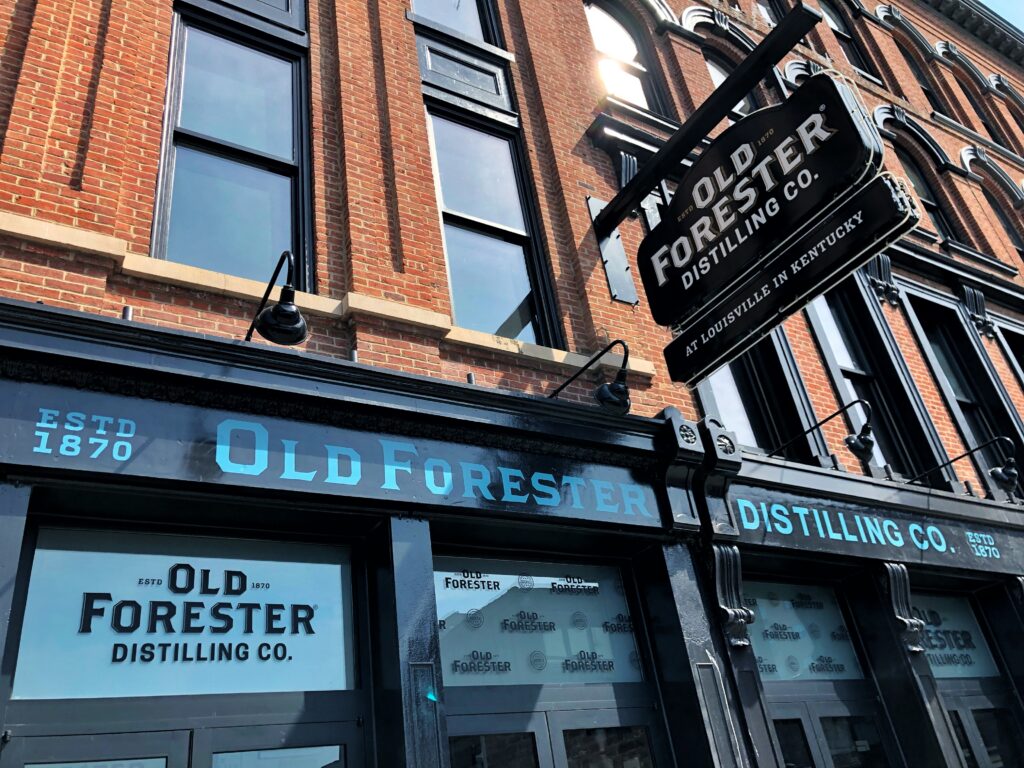
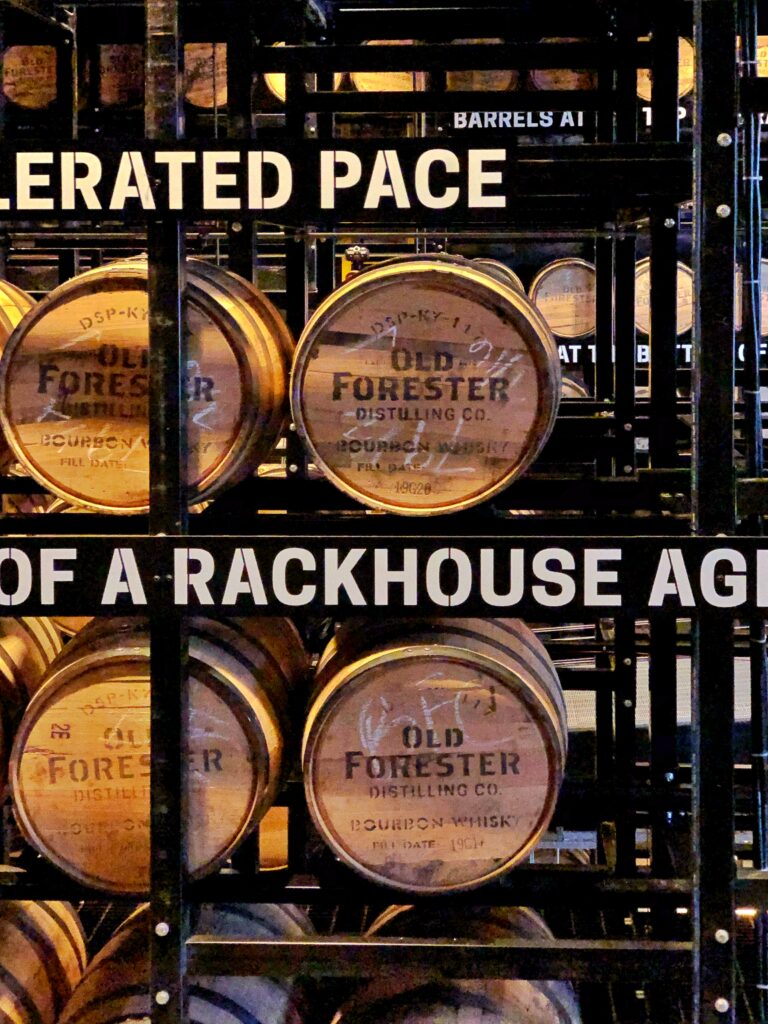
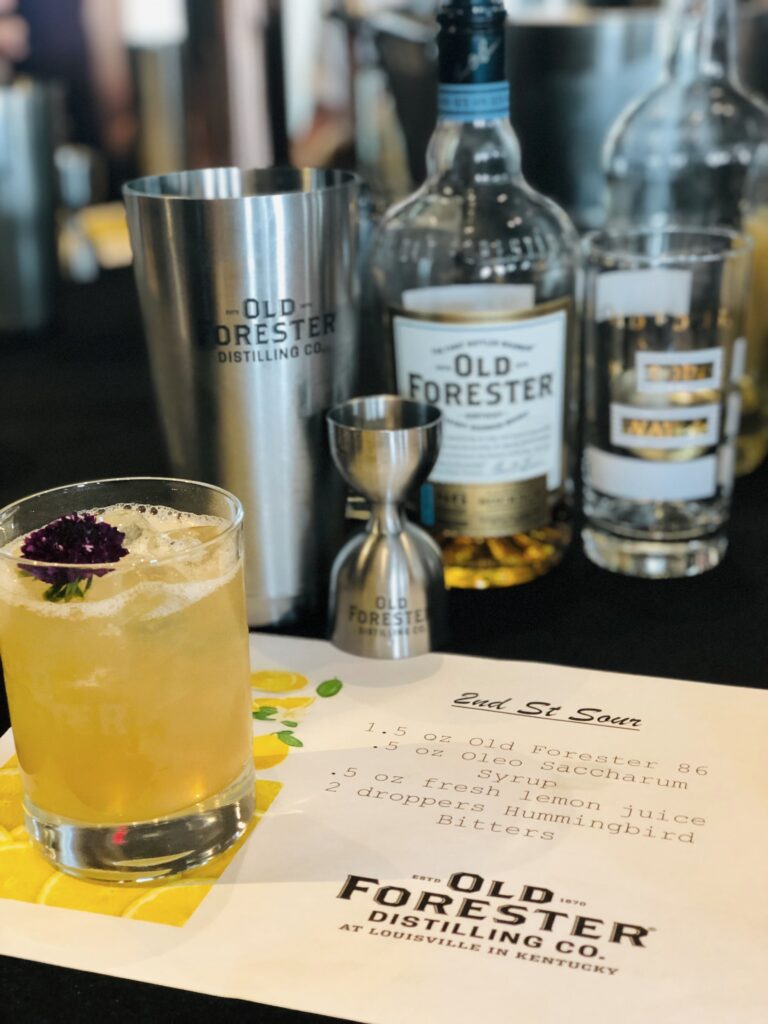

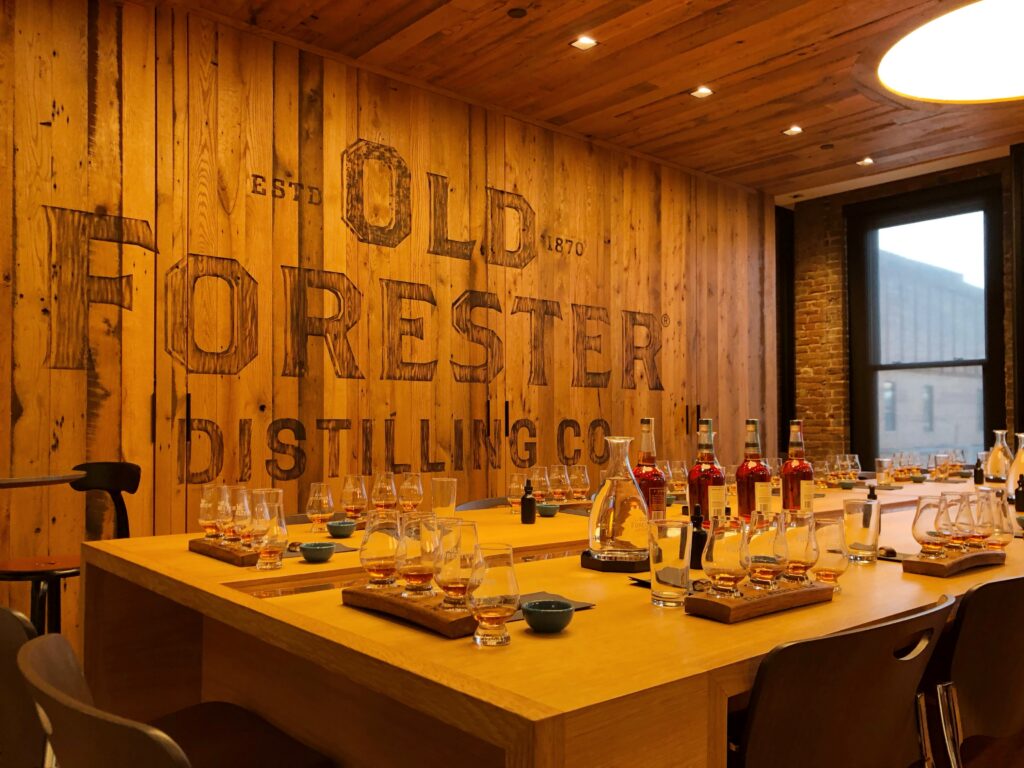
Vibe Check: Low ceilings, exposed brick, copper stills glinting under moody amber lights—it’s like stepping into a bourbon film noir. No frills. No fluff.
Why People Love the Bourbon: Old Forester isn’t flashy, it’s reliable. It was the first bourbon ever sold in sealed bottles and the only brand that kept selling straight through before, during, and after Prohibition. It keeps a 150-year legacy going strong. With mash of high-corn, a little rye and barley, it tastes like history: rich, smooth, slightly spicy, full-bodied. Good neat or in a cocktail.
🥃 Angel’s Envy — The Charmer on Whiskey Row

Angel’s Envy feels like bourbon’s pretty boy — and I mean that as a compliment.
If I’m pouring bourbon straight into a glass, nine times out of ten it’s Angel’s Envy. There’s just something about it — smooth enough to sip, rich enough to keep you interested, and that little chocolate-cherry finish from the port barrels? Sexy. It makes you want to slow down and actually enjoy it.
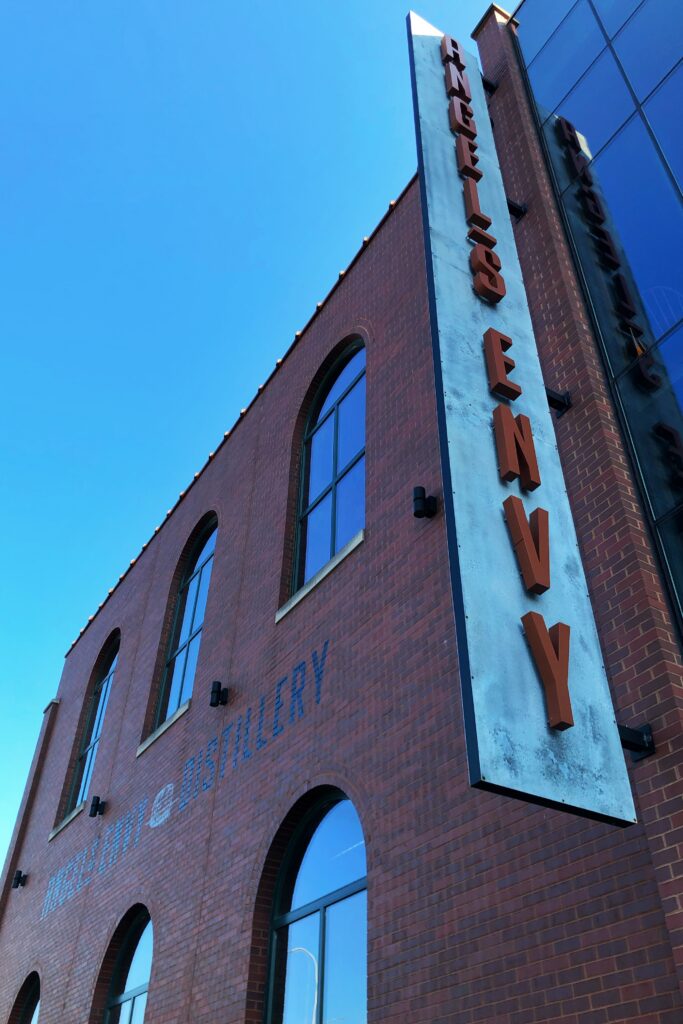
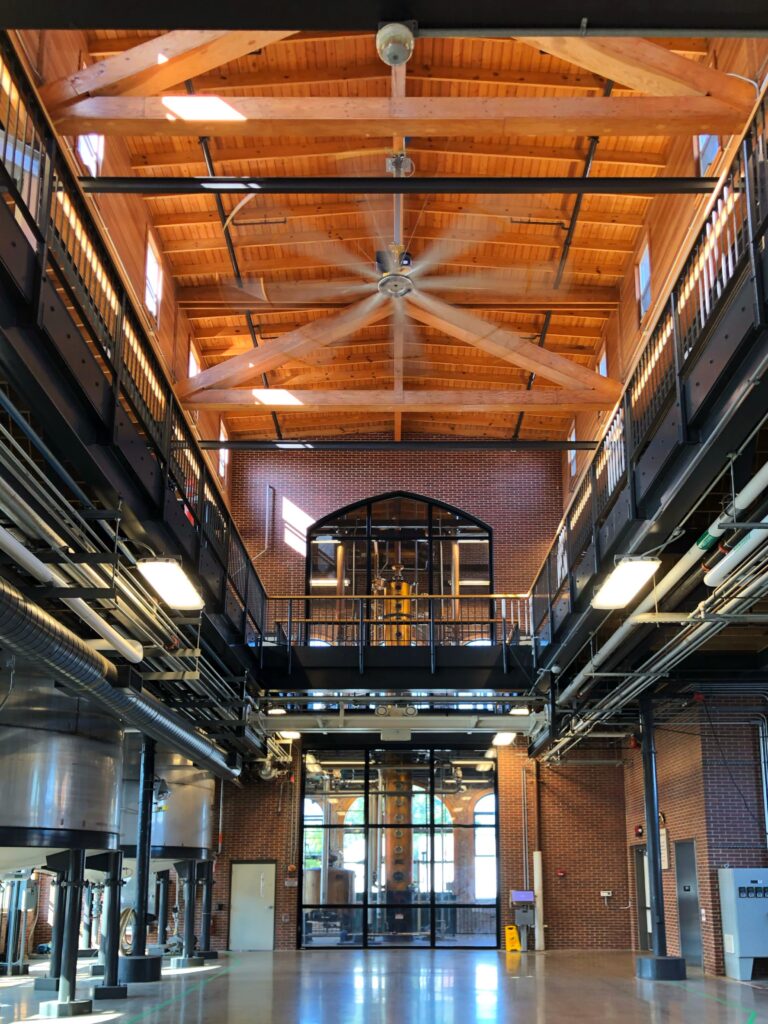
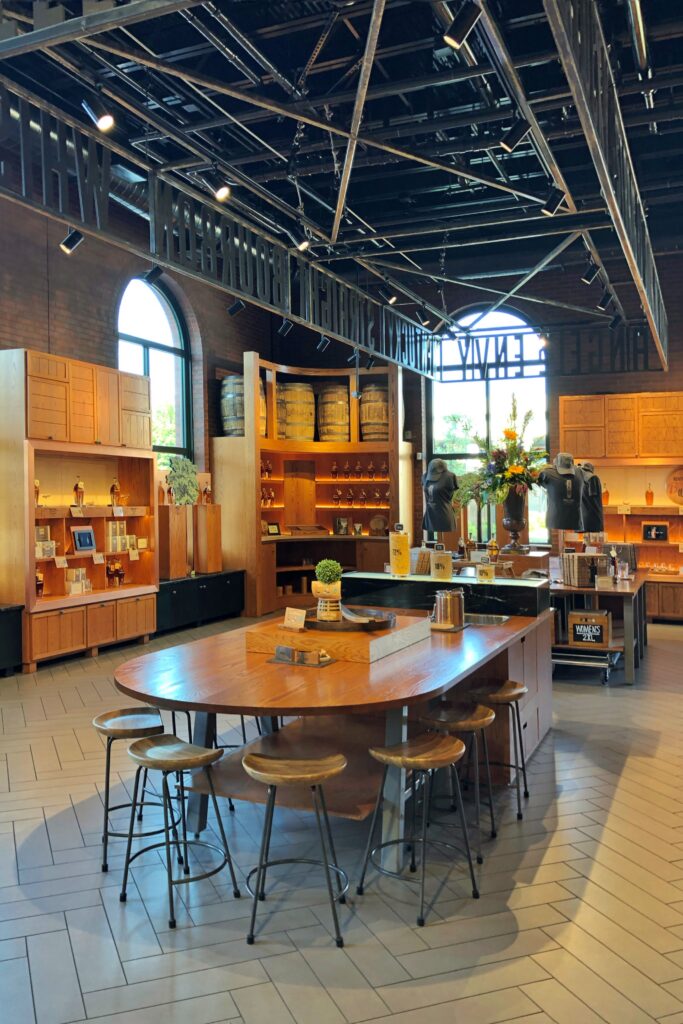
Wanna know some of the backstory? Bourbon spends years aging in oak barrels, and some of it always evaporates. Distillers call that the “angel’s share,” like a little offering that floats up to the heavens. When Lincoln Henderson first tasted his new bourbon finished in port barrels, he joked it was so good the angels would be jealous of what was left behind. And that’s where the name Angel’s Envy comes from. Gotta love a bourbon with some edge…and a halo. 😇
The distillery is sleek and modern — think polished wood, glowing copper stills, and the kind of lighting that makes you wish every bar in America would take notes. It feels less like a tour and more like you accidentally scored an invite to a members-only club.
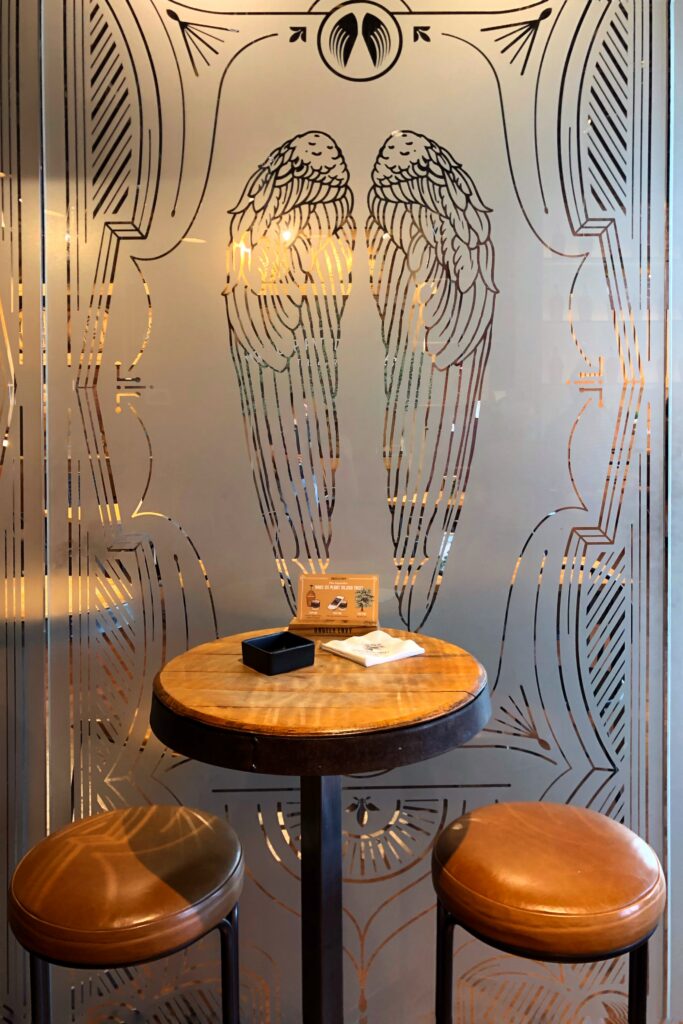
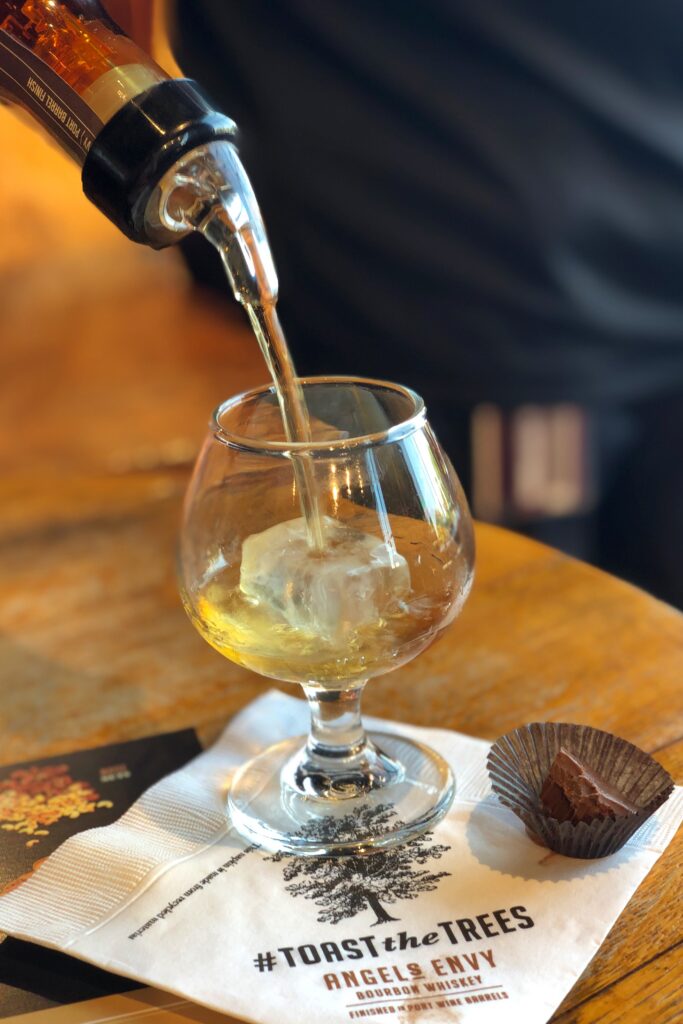

But the distillery tour? That’s what leveled me up. This wasn’t a script of “here’s how bourbon is made.” It was a masterclass in how to drink it. They walk you through the tasting so slowly, so intentionally, that you realize how much you’ve been missing when you just throw it back. By the time we hit the signature reveal at the end (no spoilers, but trust me — it lands), I wasn’t just drinking bourbon. I was in it.
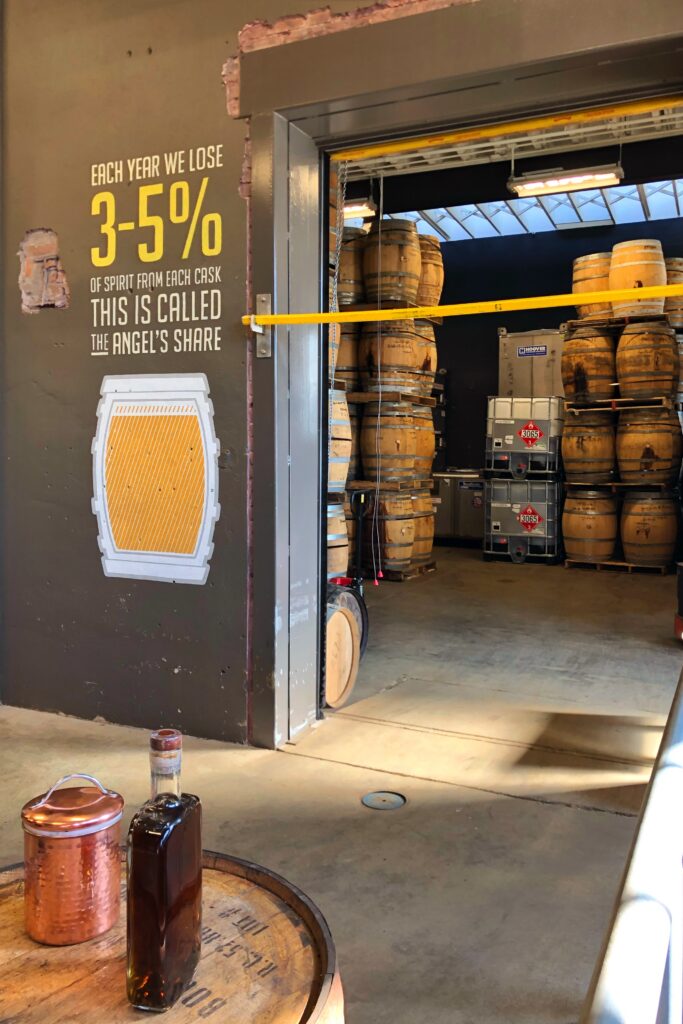
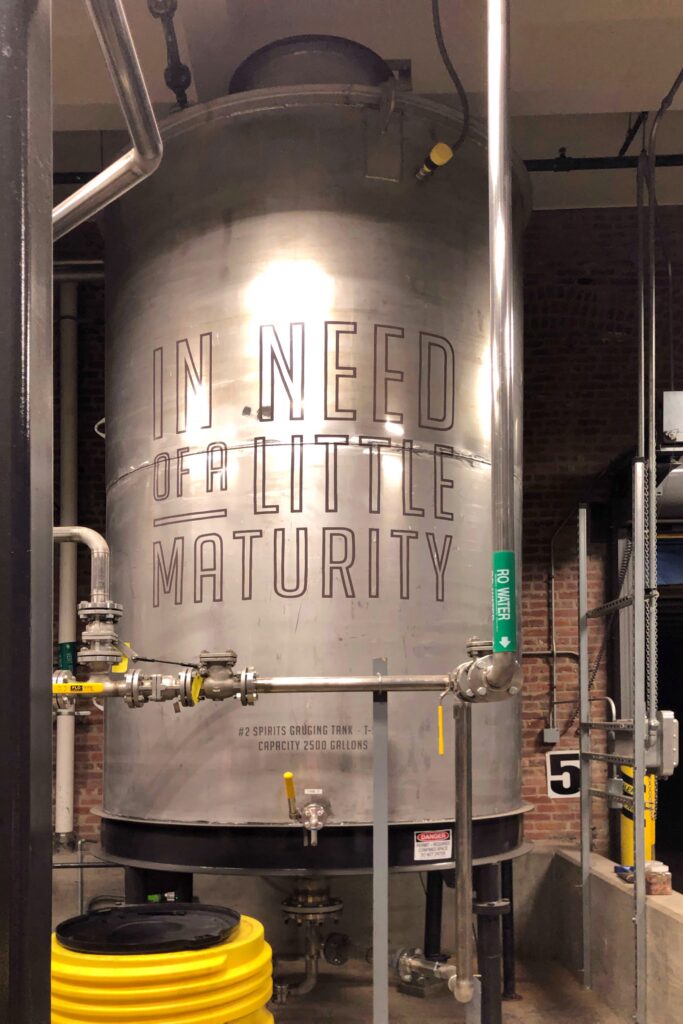
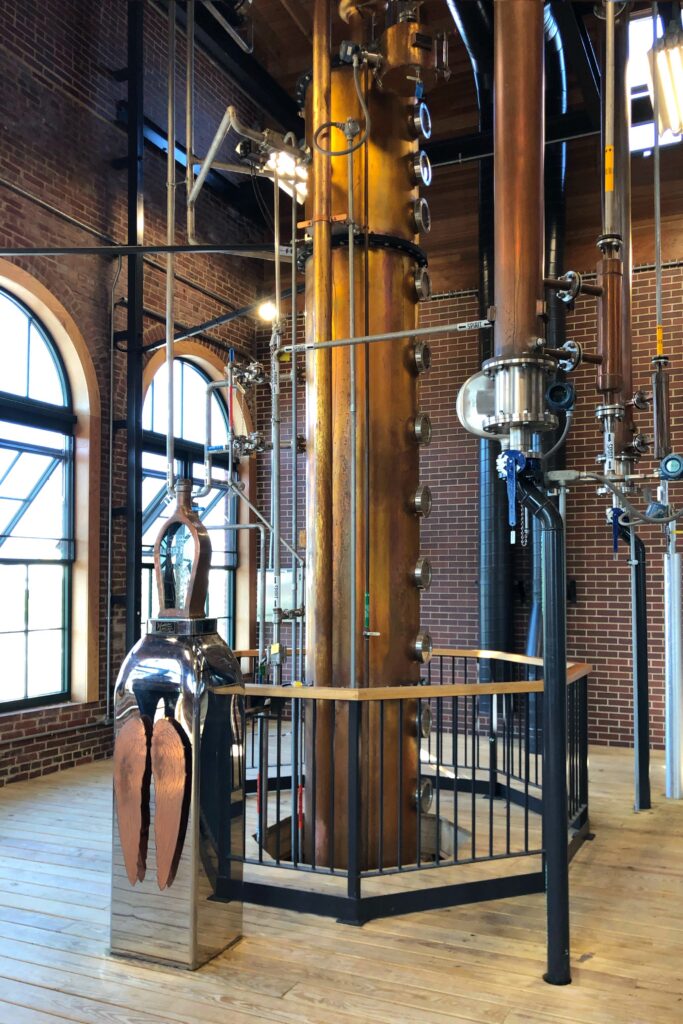
This distillery made me love bourbon and Angel’s Envy more. This was the tour that shifted something for me. They didn’t just show you the stills and barrels — they walked you through how to really taste bourbon. Slowing it down, pulling out layers I’d never paid attention to before. I walked in liking bourbon. I walked out realizing I actually love it.
🥃 Buffalo Trace: Did the Tour. Earned the Pour.
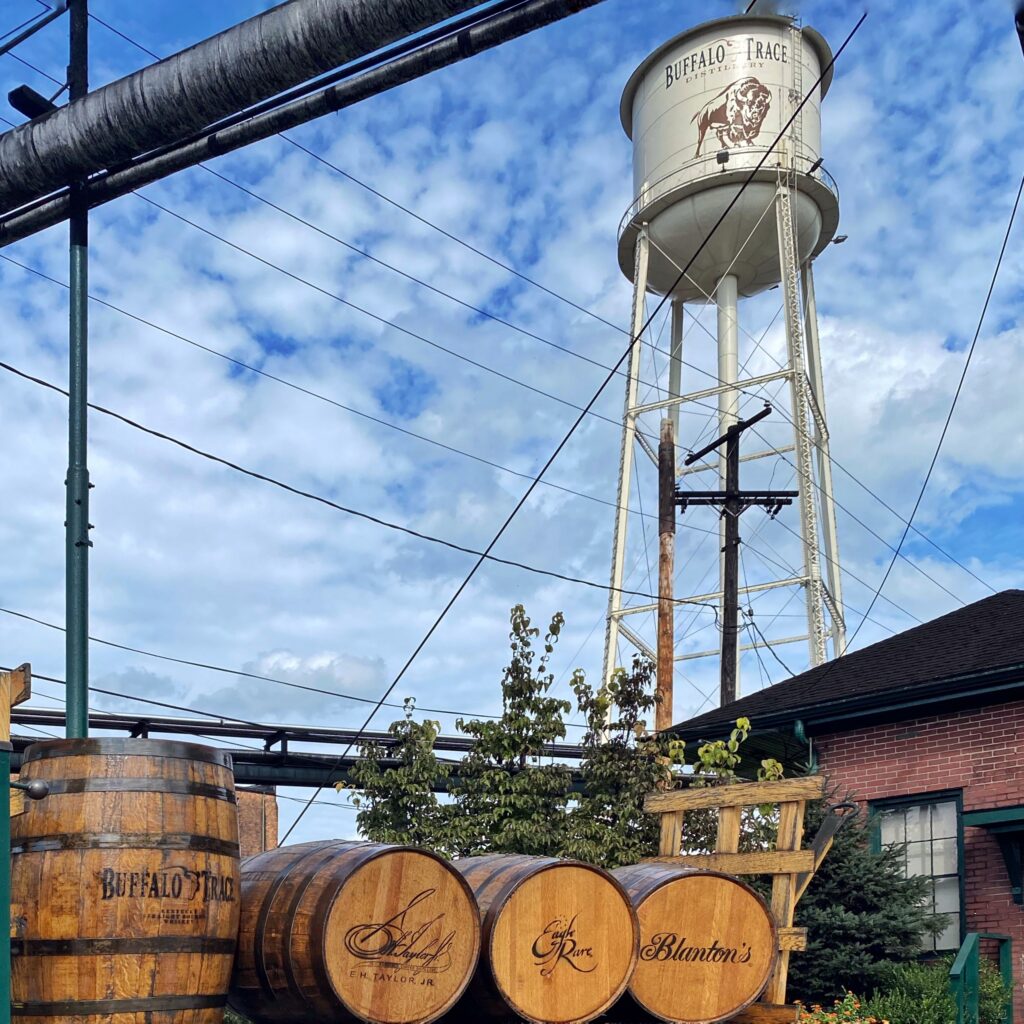
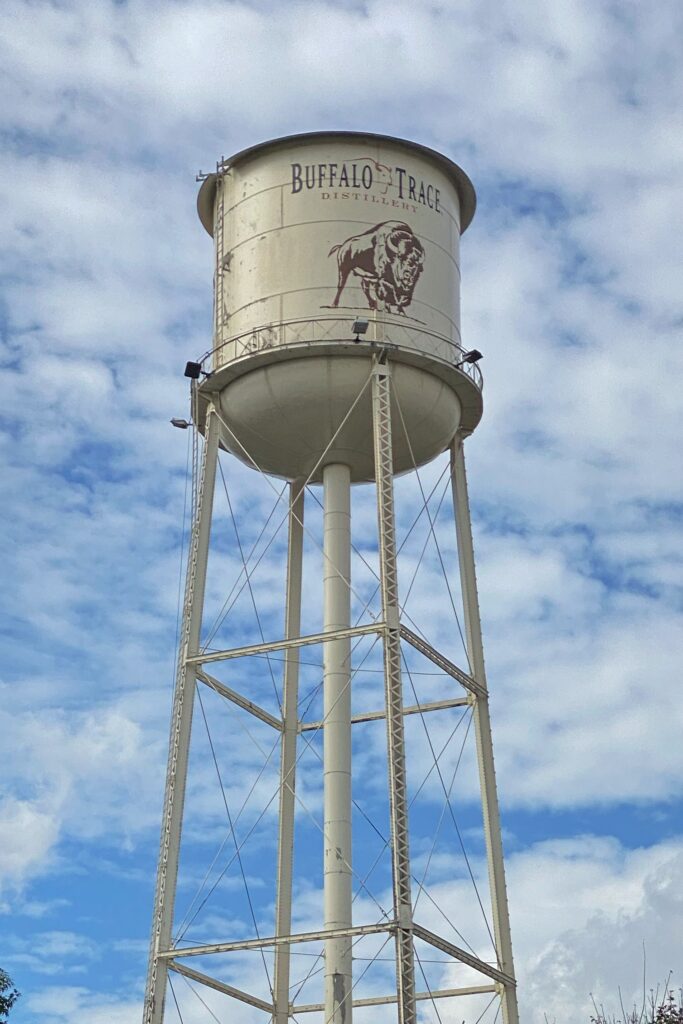
There’s a reason Buffalo Trace feels like the unofficial headquarters of the whole bourbon world. Walk onto those grounds and you’re not just in a distillery, you’re in bourbon heritage. It’s one of the oldest continuously operating distilleries in America, still turning out top‑tier whiskey after more than two centuries.
I took the Hard Hat Tour, which is the kind of behind‑the‑scenes experience that makes you appreciate what actually goes into making something great, not just pouring it. You’re on your feet, you see the bubbling mash cookers and the lines of barrels waiting to age, you hear the clatter and hum of real bourbon production, and suddenly it stops feeling like a photo op and starts feeling like work you respect.
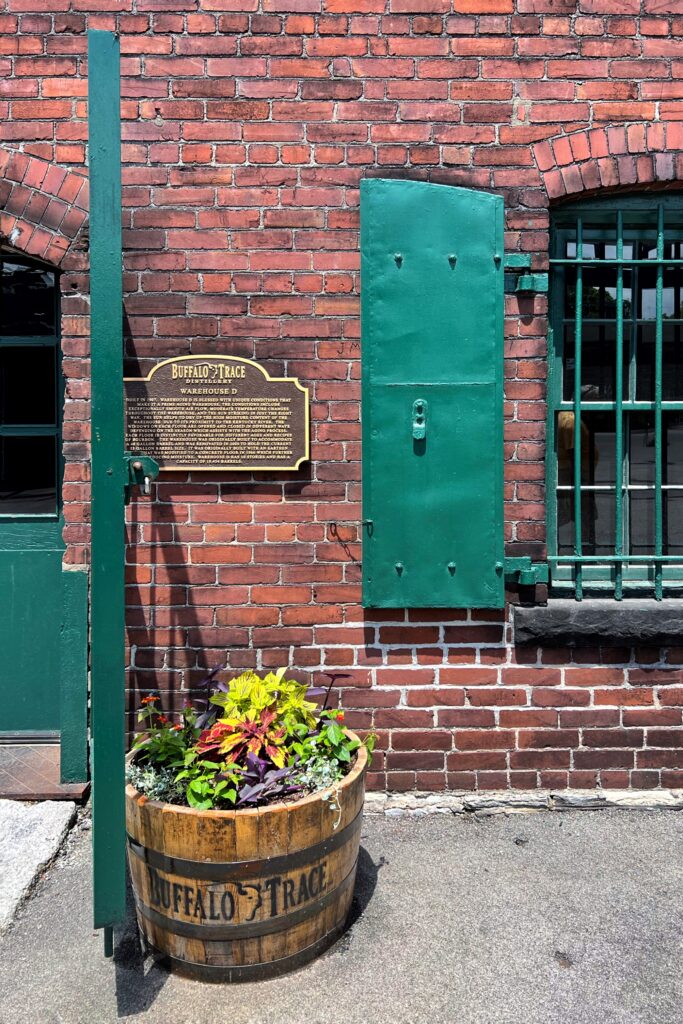
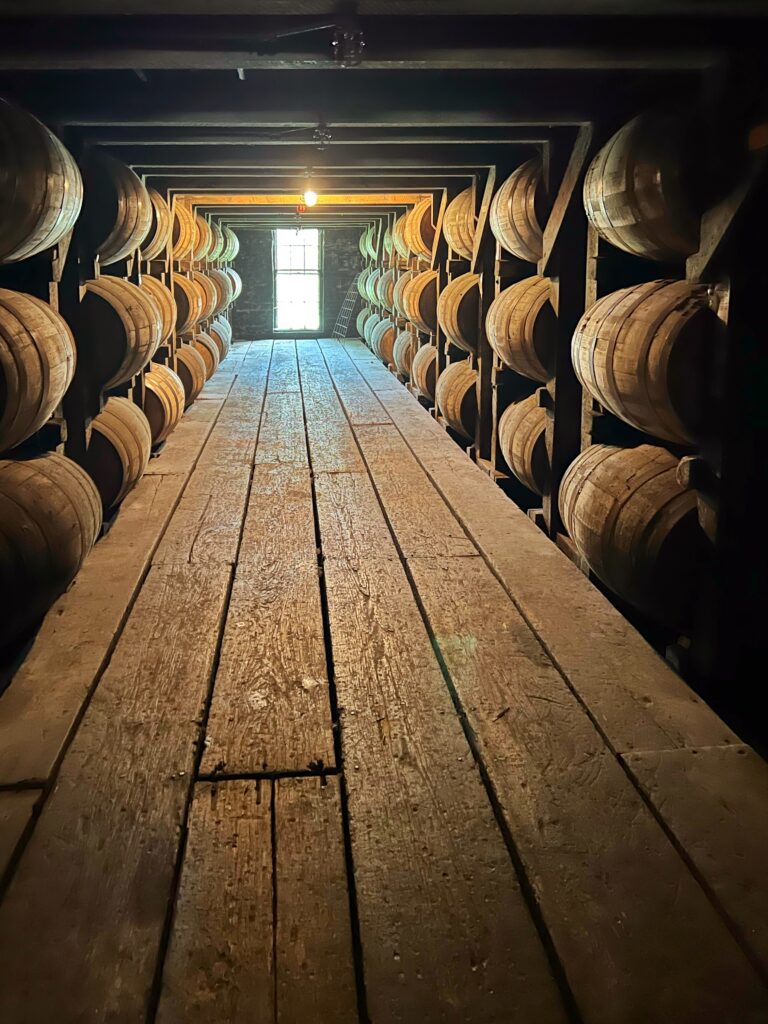
And then there’s what this place makes. When you think of the classics — Buffalo Trace, W.L. Weller, Eagle Rare, E.H. Taylor Jr., rye, rye whiskeys, experimental series, and more. They all come from here. These aren’t just labels on a shelf. They’re expressions that people chase around the world; some smooth and welcoming, others bold and unexpected.
Here’s the real flex for collectors: there are limited and allocated bottles tied to this distillery that people fight for — like the annual Buffalo Trace Antique Collection lineup with bottles like George T. Stagg, William Larue Weller, Eagle Rare 17, and Thomas H. Handy Rye — and only a handful of them are sold each day at the distillery. Show up too late and they’re gone. (Seriously, this is bourbon scarcity experience.)
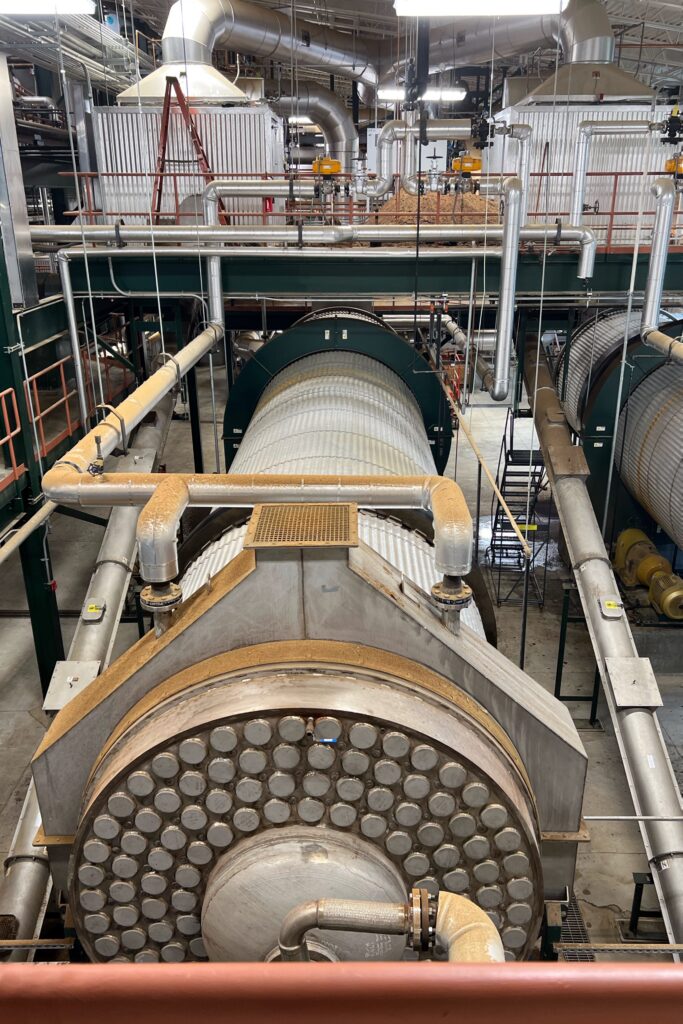
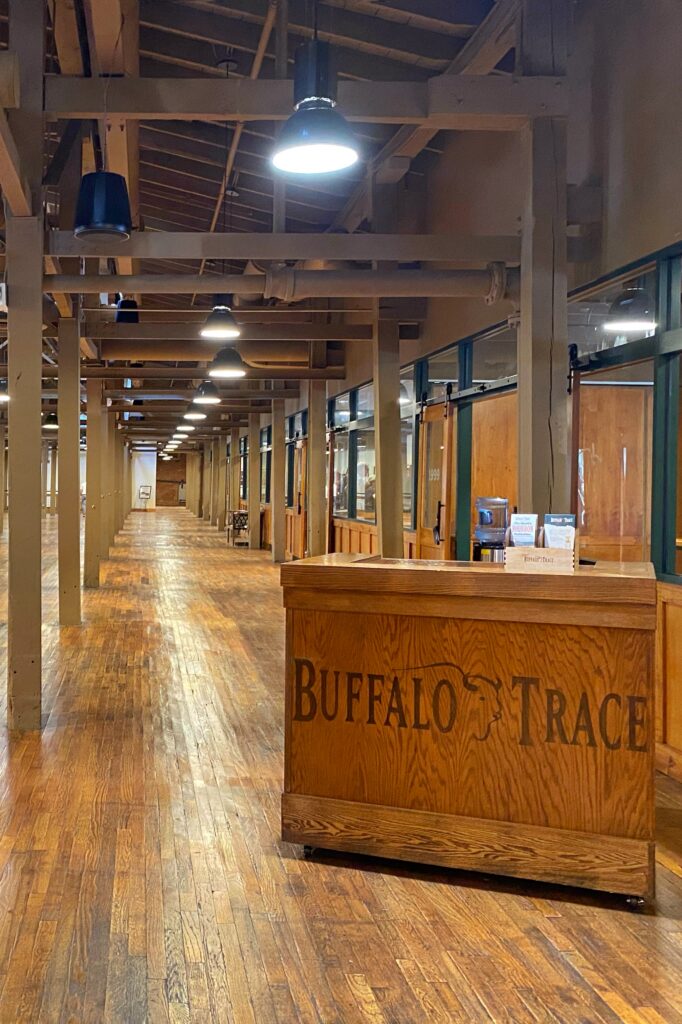
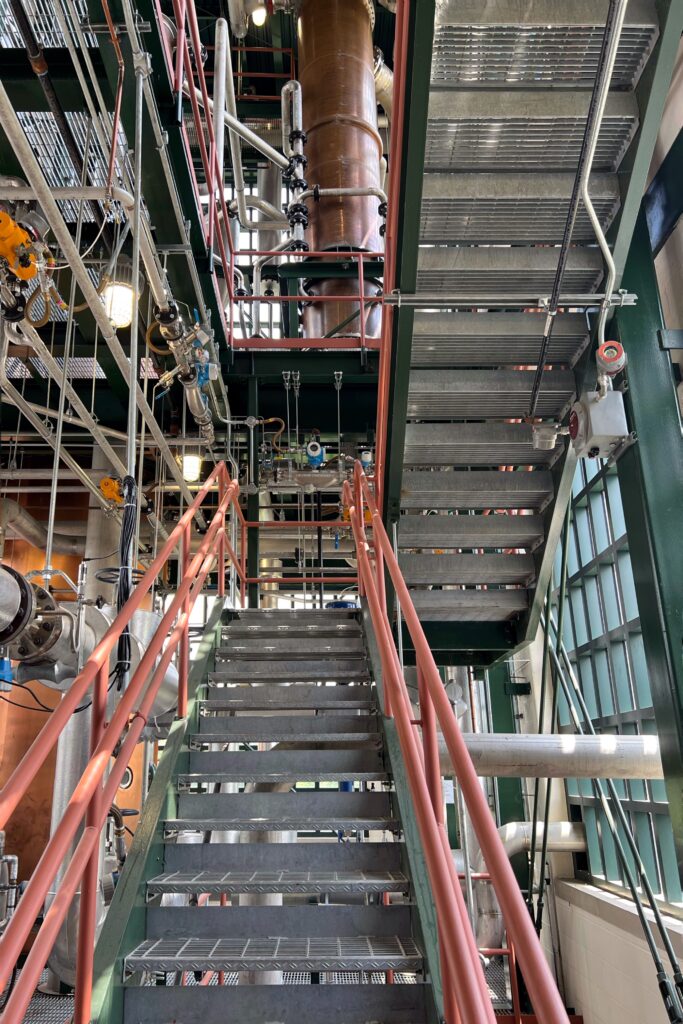
The vibe of Buffalo Trace is not polished showroom; it’s earned. You can feel 200 years of weathered brick and restless innovation in the air, and by the time you’re standing among the warehouses or sipping a dram after the tour, you get why this place isn’t just another stop — it’s the stop.
The Bourbon Drop List: What’s Worth Scoring at Buffalo Trace
These are the bottles people line up for — and yes, you’ll want to ask what’s dropping that day.
💡 Insider tip: They don’t advertise what’s available — get there early and ask nicely.
- Buffalo Trace – the classic.
- Weller – wheated, beloved, hard to find.
- Blanton’s – cult favorite, sold only on select days.
- E.H. Taylor – bold, beautiful bottle, even better pour.
- Eagle Rare – 10-year, smooth and sneaky special.
🥃 Castle & Key — The Most Beautiful Distillery Architecture on the Bourbon Trail
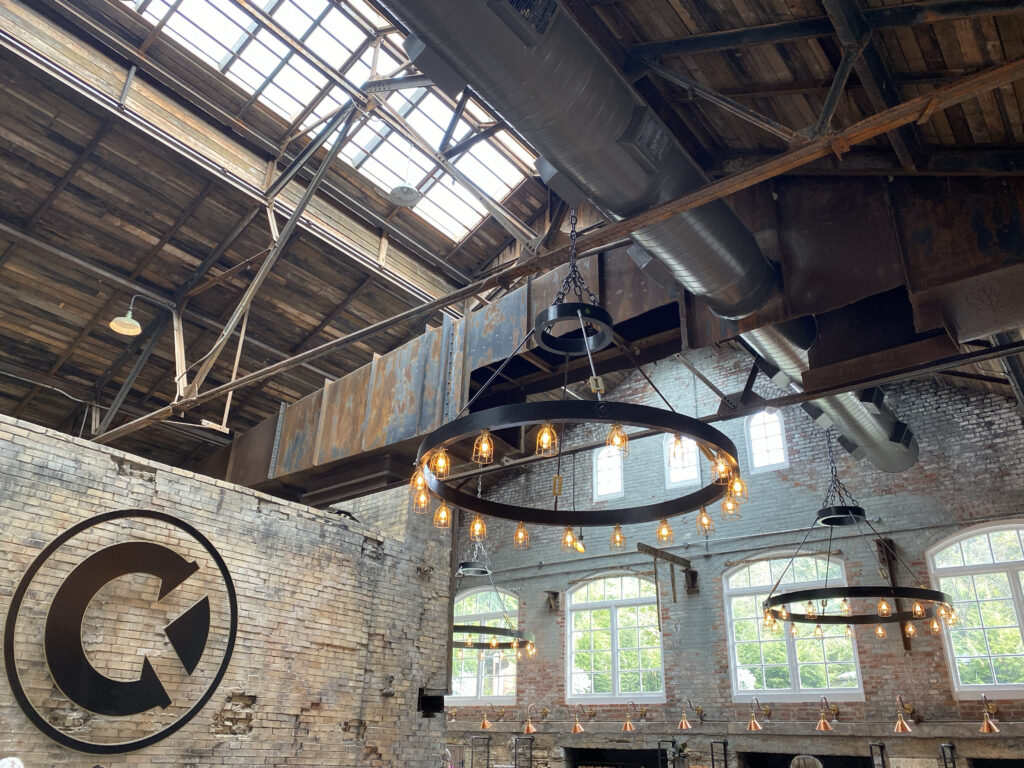
And now for the grand finale. I saved my best stop for last. Here’s the setup: You pull in and think, Wait… is this a bourbon distillery or did I just walk into a fairy‑tale?
I didn’t know what to expect when I pulled up to Castle & Key… but I definitely did not expect a castle. This place was built in 1887 by bourbon pioneer Colonel E.H. Taylor Jr. — not just a distillery, but a destination. Castle, springhouse, gardens, intentional architecture inspired by Europe… like someone said “bourbon should look as good as it tastes,” and actually meant it.
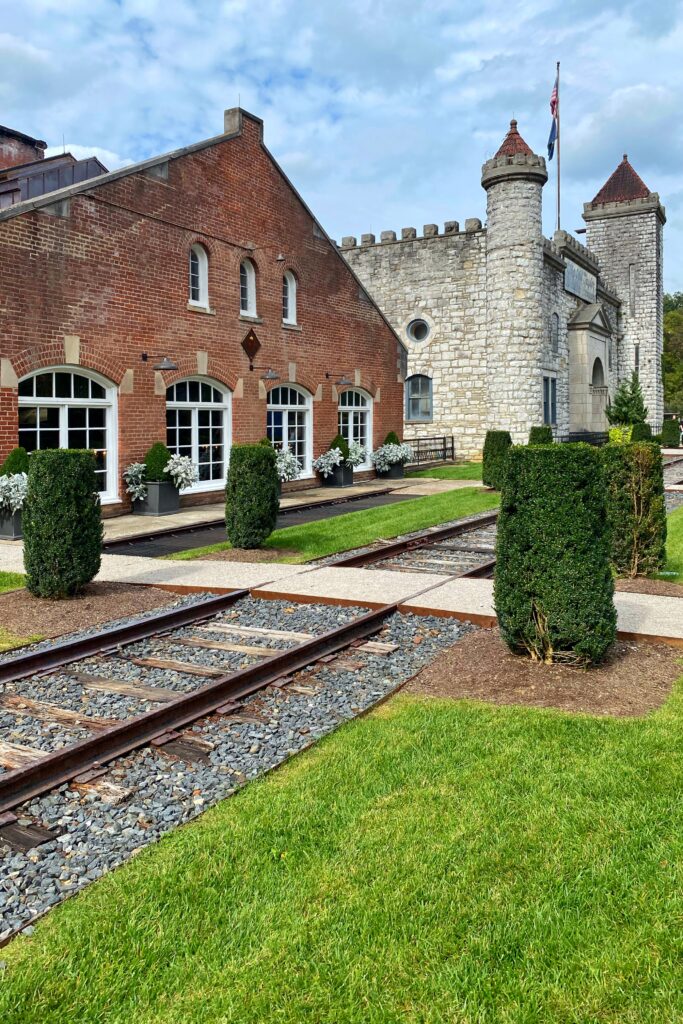
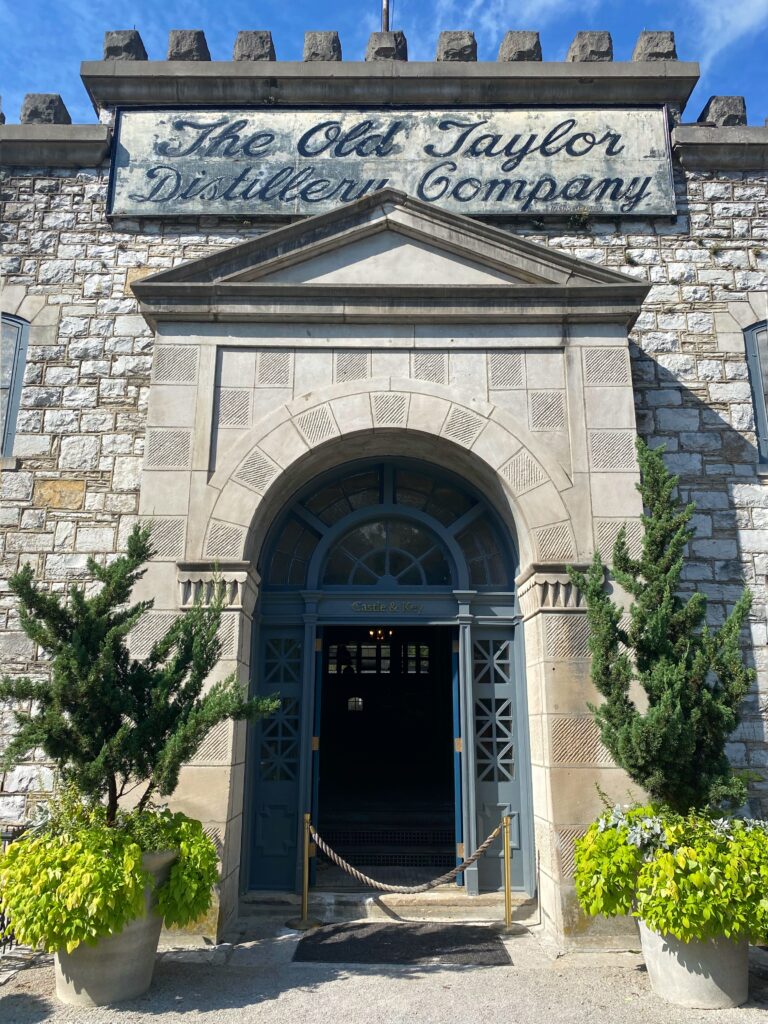

Once upon a time (1887, to be exact), Colonel E.H. Taylor Jr. decided bourbon deserved a home as grand as the spirit itself. So he built a literal castle — turrets, gardens, limestone everything. It was the Versailles of the bourbon world. That’s the sign of a visionary: when bourbon was all business and he dared to make it beautiful.
For decades it thrived, then Prohibition knocked it out. Over the next century, it slipped into ruin — framed stone slowly crumbling, once‑elegant gardens swallowed by time, like a fairy tale that hit pause. The distillery closed, changed hands, survived decades of decay and neglect, and slowly slipped toward ruin. The gardens faded. Creek banks grew wild. Buildings stood silent and abandoned for years.
At one point someone actually had plans to tear it down brick by brick, bulldoze the whole thing into anonymity. Then a new owner arrived, saw the photos, and said, “Yeah, we’re doing this.” And they actually did it. Not plastering over the past. Limestone walls were stabilized, gardens were resurrected, hidden passageways were revealed, and that old Springhouse — the very building that once protected the natural spring water Taylor thought was key to great whiskey — was brought back to life.
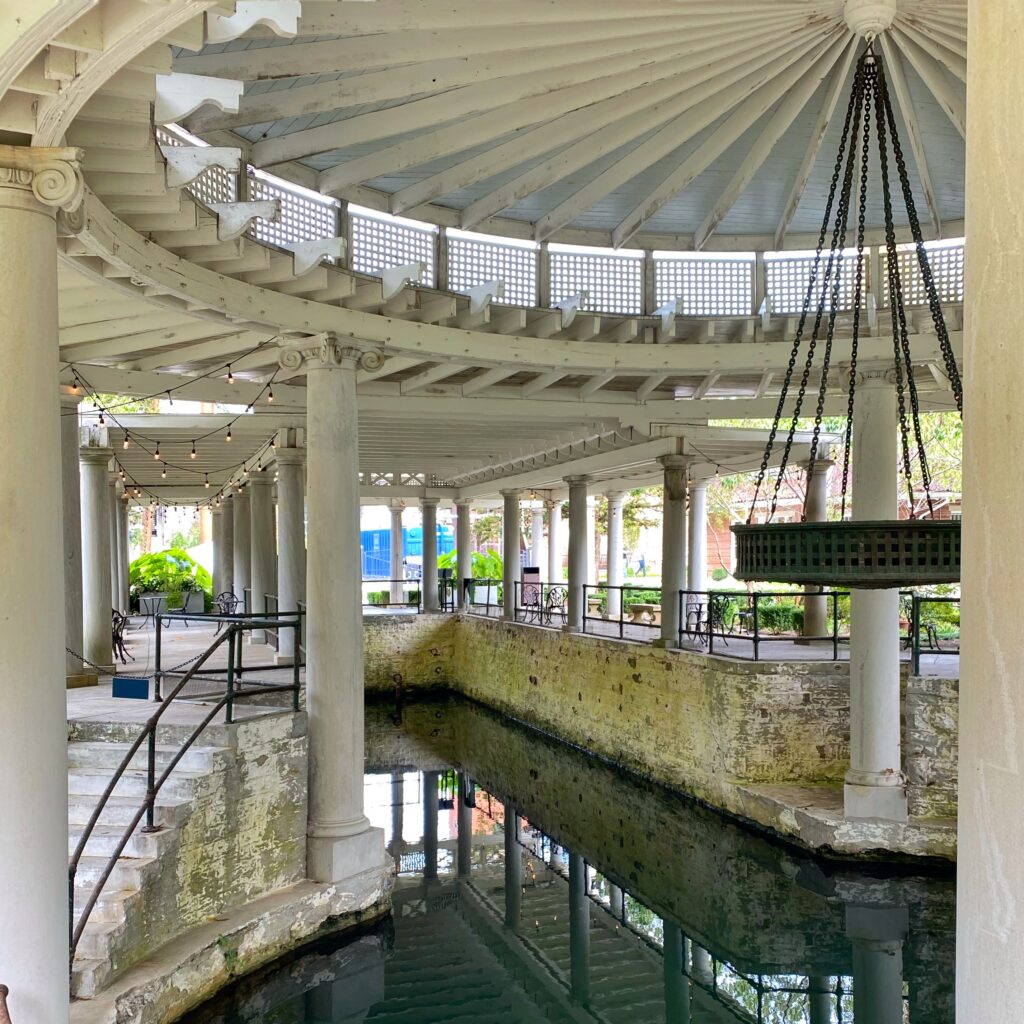
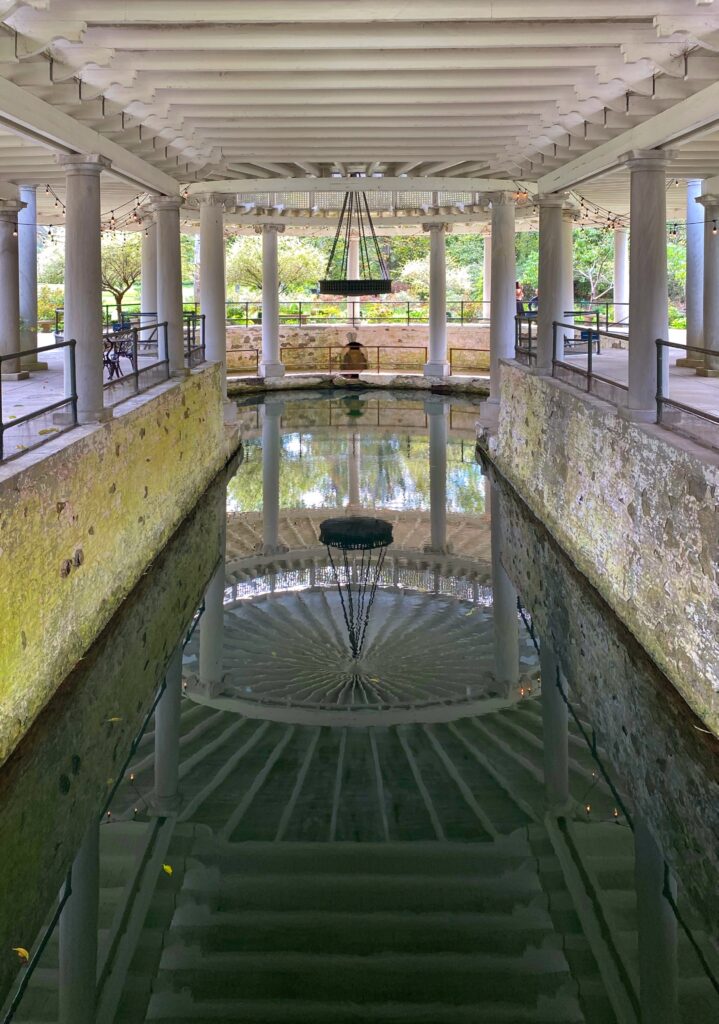
The springhouse at Castle & Key is where it all began. Colonel E.H. Taylor Jr. was convinced the natural spring water beneath this property was the secret ingredient to exceptional bourbon. So he built a distillery around it. Then gardens. Then a castle. The spring is still here, still flowing — now surrounded by restored columns and string lights, exactly as Taylor intended. Standing here, it’s not hard to understand why someone fought to bring all of this back from ruin rather than let it disappear.
Now you stand in rooms that have seen life, death, and rebirth. You walk paths that were gone for decades. You look at brick and think about how many different people saw this same place and walked away while it crumbled — until someone finally stayed and rebuilt.
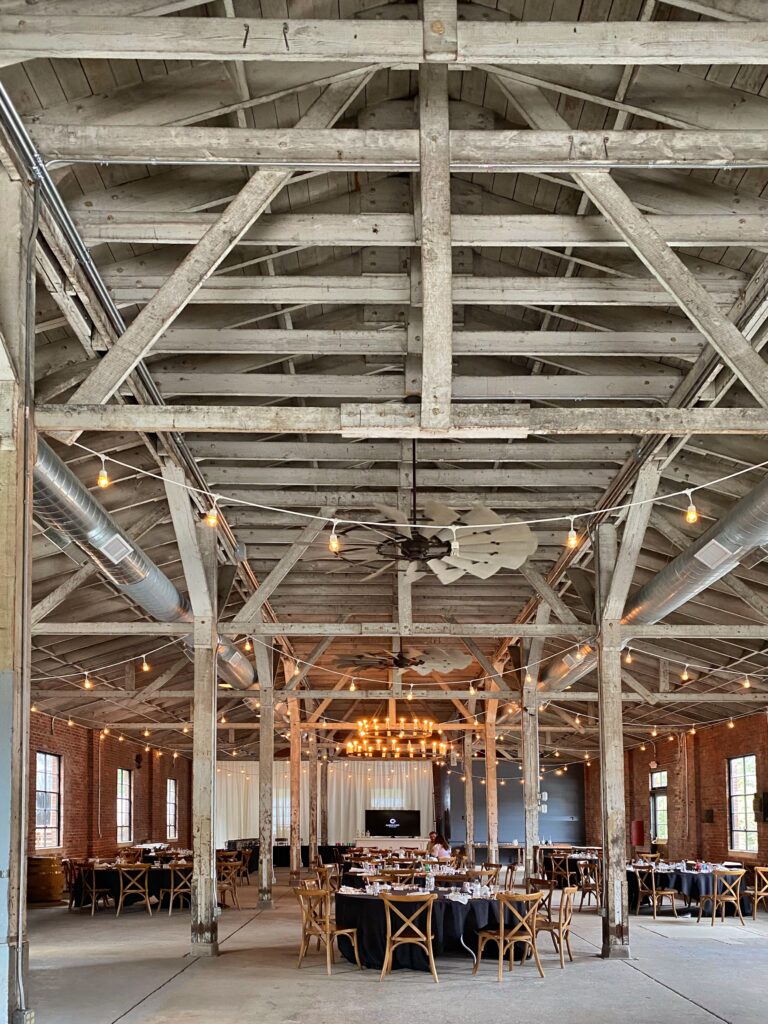
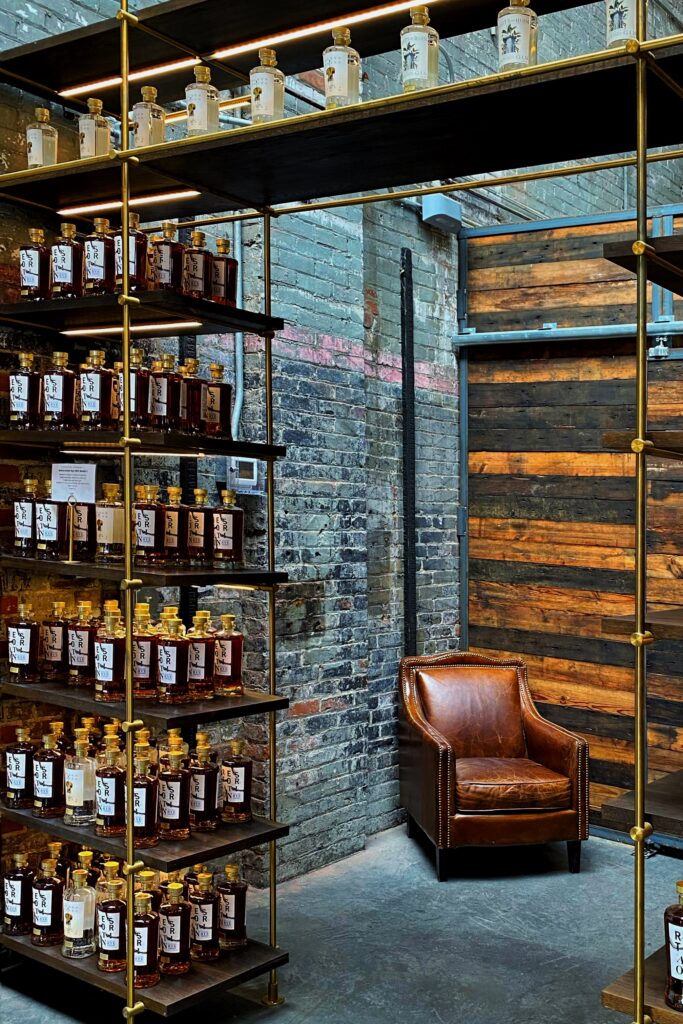
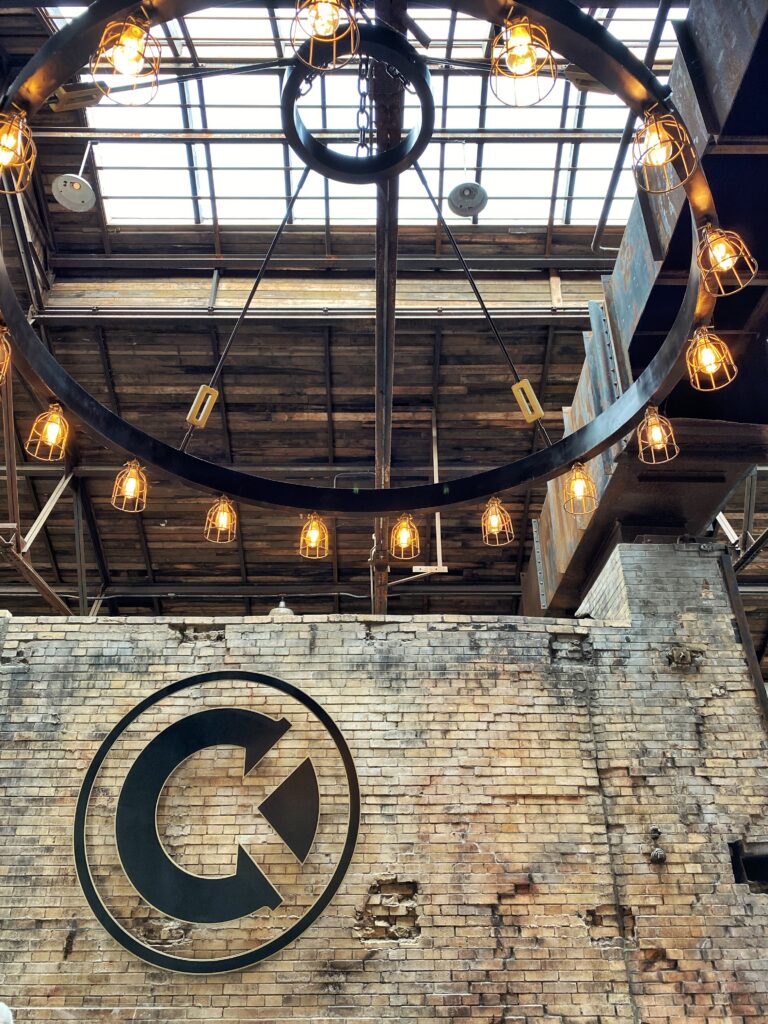
That’s the vibe here: history with a pulse. Not sterile and stuffy, but alive. And the bourbon? It’s good, sure. But the feeling of being in a place that lived, died, and came back? That’s why you talk about Castle & Key long after you leave. It’s not just about bourbon; it’s about revival.
Where to Stay and Sleep on the Bourbon Trail
First things first: Louisville or Lexington? Both work — but it depends on your route and the vibe you’re after.
- Louisville is best if you’re focusing on distilleries in the city (Angel’s Envy, Old Forester, Rabbit Hole) or doing a loop that includes Buffalo Trace and Castle & Key. It’s also where you’ll find the most stylish stays, best restaurants, and late-night spots. Think: urban, walkable, vibey.
- Lexington is closer to Four Roses, Wild Turkey, and the Bluegrass countryside. A great choice if you’re into horses, quiet mornings, and rolling hills. More pastoral, less pour-it-up.
👉 If you want great food, cool bars, and a place that feels alive after 7pm?
Stay in Louisville. It’s the better bourbon basecamp.
The Best Boutique Hotels on the Bourbon Trail
Picking your place to stay is a big decision, and you’ve got some great options (but a hard decision!) on the Bourbon Trail. Here are my top 3 choices. And if you want more details and a virtual tour of the Most Aesthetic Boutique Hotels on the Bourbon Trail, check out this post.
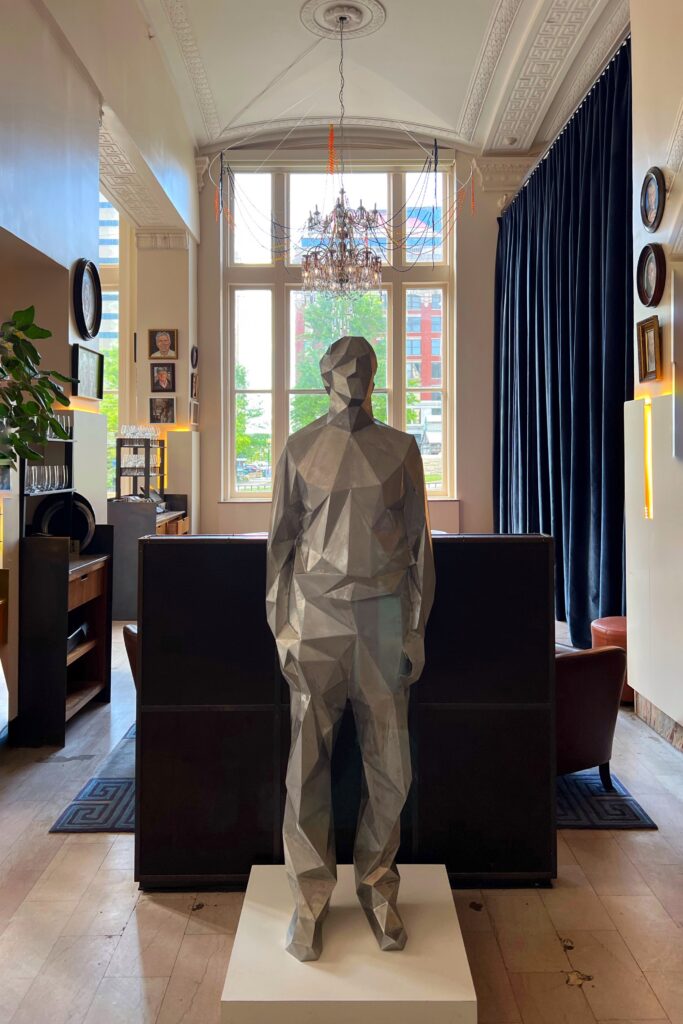
21c Museum Hotel – Louisville
Best for: Anyone who’s ever wanted to sleep inside a museum. This is your moment.
Don’t let the “museum” name scare you. This place is smart, playful, and just weird enough to be cool. You’ll sleep above a contemporary art museum, but it’s not precious — it’s fun. 21c isn’t just a hotel, it’s a whole vibe. Every corner is curated. The elevator talks to you. There’s a penguin involved. You’ll either get it or you won’t, but if you do? You’ll love it.
Rooms are plush and clever, the on-site restaurant is genuinely good, and you’re walking distance from Angel’s Envy, Old Forester, and the best cocktail spots in town. This is where you stay if you want to wake up inspired and fall asleep a little buzzed.
Hotel Distil – Louisville (Autograph Collection)
Best for: Bourbon people. Obviously.
Located on Louisville’s historic Whiskey Row, this Autograph Collection hotel leans into bourbon culture with just the right touch of class. Think: warm woods, leather headboards, and a welcome Old Fashioned that actually tastes good. It’s polished without being stuffy — the kind of place where you could show up in heels or boots and feel right at home.
Bonus: It’s got a prime location for distillery hopping, and the on-site restaurant is solid. Stay here if you want something sexy, a little grown-up, and very on brand for bourbon.
Grady Hotel, Louisville
Best for: Anyone who wants their hotel to have lived a whole life before they got there.
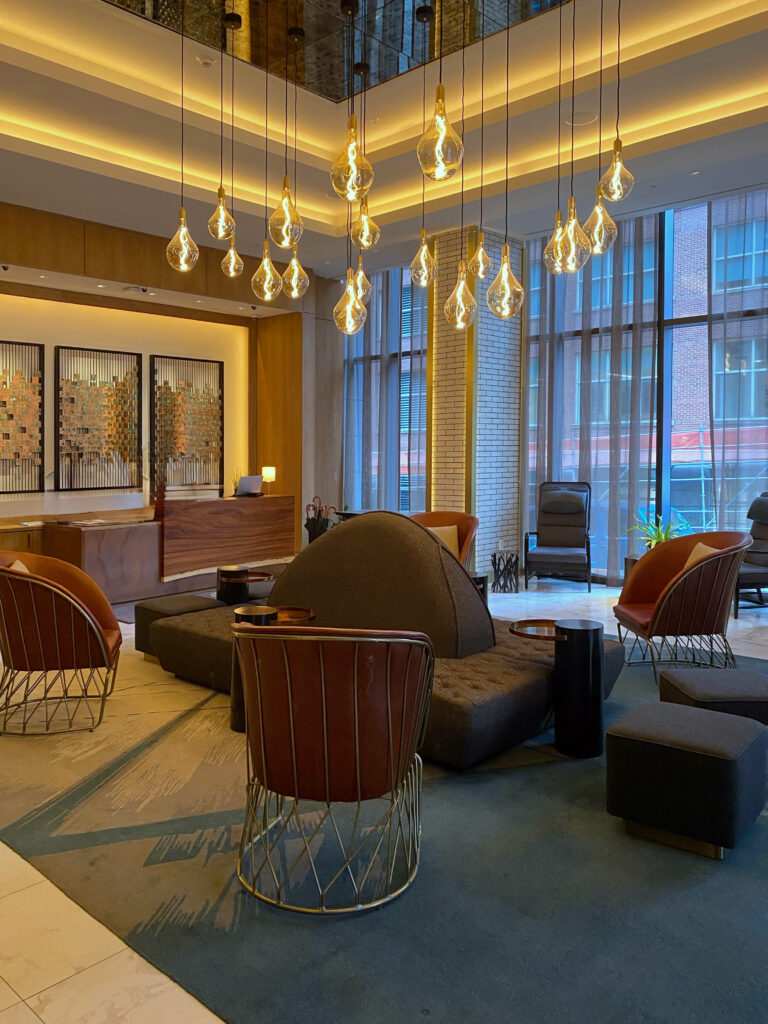
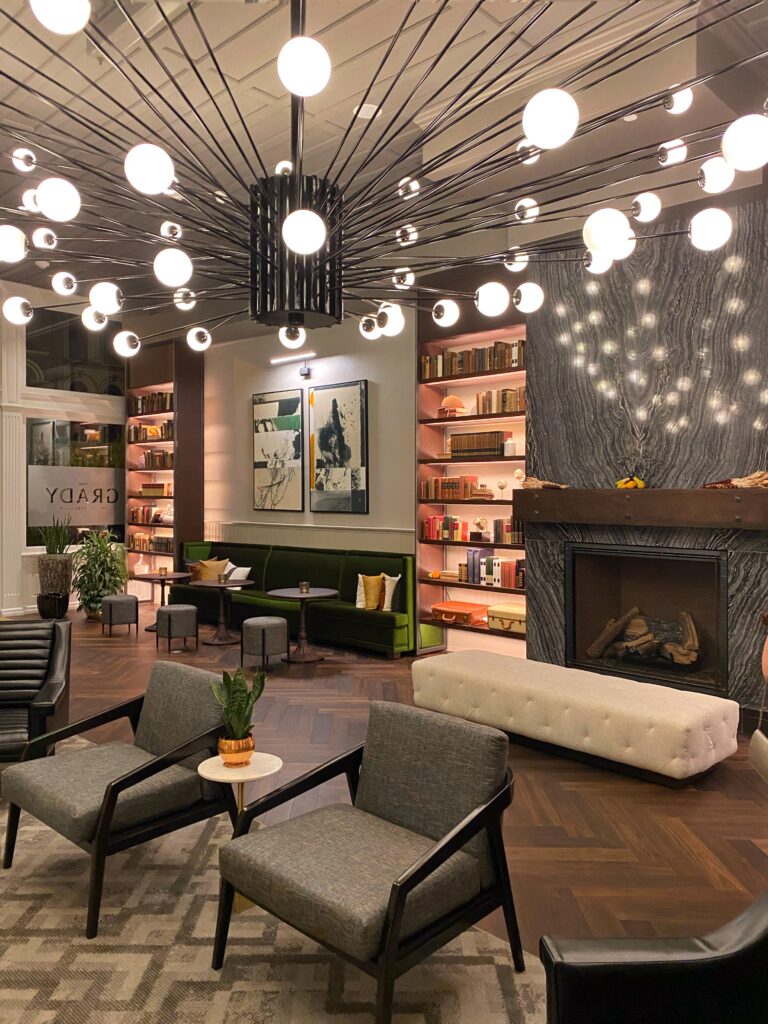
The Grady was a bourbon apothecary before it was a hotel. Which honestly tracks — this building has always known what it is. Soaring reclaimed wood ceilings, velvet tufted headboards in navy and maroon, framed Derby hats on the walls, a speakeasy downstairs called The Wild Swann.
It’s local, it’s specific, it has a point of view. It’s the kind of place that feels discovered rather than built.
Still deciding where to base yourself? Read my complete guide to where to stay on the Bourbon Trail, including the best boutique hotels in Louisville and Lexington.
Bourbon Trail FAQ: Everything You Actually Need to Know
When’s the best time to visit the Bourbon Trail?
Fall is a dream. Cooler temps, better outfits, and the colors pop. Spring’s good too. Summer? Too sweaty for boots and bourbon.
Do you need reservations to visit the distilleries?
Yes. Especially at places like Castle & Key, Angel’s Envy, and Buffalo Trace. Book ahead. They fill up fast.
How Many Distilleries Should I Do Each Day on the Bourbon Trail?
Yes… but pace yourself. Two is ideal. Three if you’re a legend. Just don’t try to be a hero; a bourbon hangover is a serious buzzkill.
What should I wear on the Bourbon Trail?
Cute. Comfortable. Camera-ready. Some places require closed-toe shoes for tours (yes, even I swapped out my heels once). Layers are smart for barrel rooms.
Can you buy rare bottles at the distilleries?
Sometimes. Buffalo Trace is your best shot, but they don’t tell you what’s dropping each day. Show up early. Ask nicely. Cross your fingers.
Is the Bourbon Trail just for hardcore whiskey fans?
Nope. You don’t have to be a bourbon bro to enjoy it. You just have to be curious, open-minded, and down for a pour (or four).
How many days do you need on the Bourbon Trail?
Two solid days minimum. Three is the sweet spot. One day if you’re just dipping a toe in — stick to Louisville’s Whiskey Row and don’t try to drive to Bardstown. The trail is bigger than it looks on a map and the best experiences deserve time to breathe.
Happy (Bourbon) Trails to You!
I didn’t do the Bourbon Trail the “right” way — I did it my way. A little slower. A little more curious. Chasing stories over stamps and letting the pours unfold like chapters. And honestly? That’s what made it unforgettable.
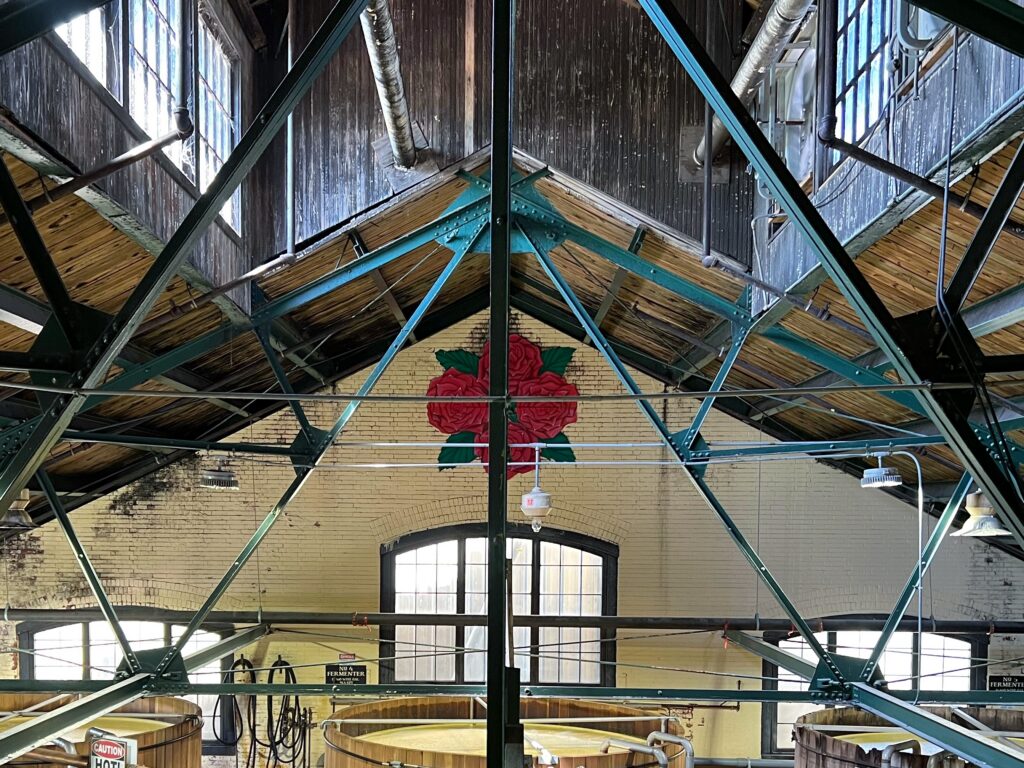
If you go on the Bourbon Trail (and I hope you do), don’t rush it. Don’t just check boxes. Go where it feels good. Taste what makes you pause. Ask the questions. Linger. Whether you’re a lifelong bourbon lover or just figuring out your first favorite pour, there’s something here for you.
That’s the beauty of it. The trail isn’t meant to be conquered — it’s meant to be experienced. So whether you hit three stops or twelve, wear boots or heels, chase rare bottles or just order what feels right — make it yours. Let the spaces surprise you. Let the stories sink in. Let the bourbon teach you something. That’s the magic.
Also, be sure to check out this post for my top recs for the most aesthetic hotels on the Bourbon Trail.
Most Bourbon Trail guides all recommend the same places.
This one doesn’t.
Inside: the Bourbon Trail spots actually worth the buzz.
Get the free Aesthetic Bourbon Trail Guide featuring boutique hotels, hidden cocktail bars, stunning bourbon distilleries, dreamy restaurants, and design-inspired stops curated for travelers who care about atmosphere as much as the bourbon itself.
✈️ Want More Aesthetic Travel Guides?
If the Bourbon Trail got you thirsty for more, I’ve got city guides, cocktail haunts, and hotel picks that hit just right. Whether you’re planning a weekend escape or plotting a full-blown food-and-drink tour, I’ve been there, sipped that, and took notes. You’re welcome.
Here are some of my favorite Southern Aesthetic Guides worth your time:
Nashville and Louisville make a natural pair: same region, same energy, same excuse to book a long weekend. I’ll take you past the Broadway and bachelorette chaos and into the good stuff. Here’s where to stay and what to see in Nashville.
New Orleans belongs on any Southern aesthetic itinerary. The Virgin Hotel NOLA is proof that good taste and Big Easy energy aren’t mutually exclusive. Take the full tour here.
