
Pinterest rooms look perfect online—but often fail in real life. This guide explains why copying Pinterest interiors doesn’t work, the most common Pinterest decorating mistakes people make, and explains the gap between saved inspo and real‑world decorating outcomes — and why pretty pins alone aren’t enough to make your space work.
You’ve been pinning and saving rooms on Pinterest for months. Maybe years.
You’ve got the eye. You know what looks good. Your boards are full of gorgeous lighting, dreamy paint colors, and “this could work” sofas.
And yet… your actual room doesn’t look anything like the board.
You’ve tried. You bought the chair. You picked the wall color. You lit your favorite candle, fluffed the pillows, and… nope. Still off. Still not quite there yet.
You’re not doing anything wrong. You’re just missing what Pinterest doesn’t show.
Because while it’s great for inspiration, it’s terrible at helping you figure out how to actually make your space feel like that.
So why does your actual room still feel like a half-baked vibe? Because Pinterest is serving you a 10-layer cake—and you’re trying to recreate it without a recipe.
Pinterest is the friend who hypes you up at brunch—but ghosts you when it’s time to actually choose a rug. Let me show you what’s missing (and how to fix it).
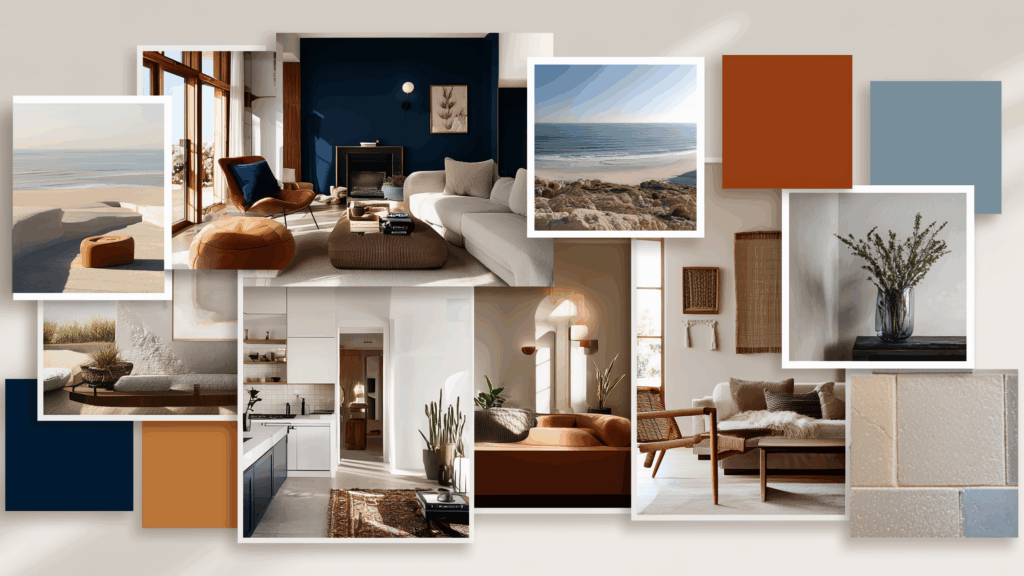
My Mood Board Meltdown:
What My 40,000 Design Students Taught Me About Turning Inspiration Into Actual Rooms
When you design hotel rooms for a living, you know how to make a space look good. I do it every day—mood, magic, and meticulous attention to detail. So when I first started teaching interior design to my students, I figured the first assignment would be easy: make a mood board.
And some of them nailed it. Their boards were gorgeous—cohesive, confident, stylish.
But most? Total aesthetic whiplash. Pretty pins, yes. But no throughline. A dreamy cottagecore nook next to a sleek, modern loft and then a splashy boho patio. Like… what room is this?
Okay, I thought—no big deal. We’d fix that. So we worked through style alignment, aesthetic language, the works.
And then came the second assignment: actually make selections for your space.
Disaster. Even the “A+ mood board” students suddenly froze. They couldn’t make the leap from gorgeous inspo photo to an actual sofa or paint color. No matter how many pins they had, they felt lost.
I was perplexed. And also: mildly panicked. I was supposed to be their fearless leader. How was I going to coach them through this?
Fast forward to now: over 40,000 students have taken my classes. I’ve watched their design creations succeed and their confidence skyrocket because I stopped teaching only how to find inspiration, and started teaching how to turn it into a plan.
So if you’ve ever found yourself with a Pinterest board full of dream rooms and zero idea what to actually do in your own space… you’re not alone. And more importantly, you’re not doing it wrong. You just need a better starting point.
Pinterest Perfect, Real-Life Chaos
Turns out, Pinterest was setting them up. It gave them a vibe, not a vision. A mood board, not a map.
That’s when it clicked for me. These students weren’t making bad choices, they just didn’t have a framework to turn pretty pictures into actual decisions. Pinterest showed them the end result. But not how to get there.
Here’s the deal: Your taste isn’t the problem. Your board? Gorgeous. But your actual room… not quite matching the vibe.
I’ve seen it happen over and over again (hi, 40,000+ students): You pin 147 dreamy living rooms—sconces, sofas, rugs galore, and each one looks perfect. But when you try to put those pieces together in your own space, it doesn’t add up.
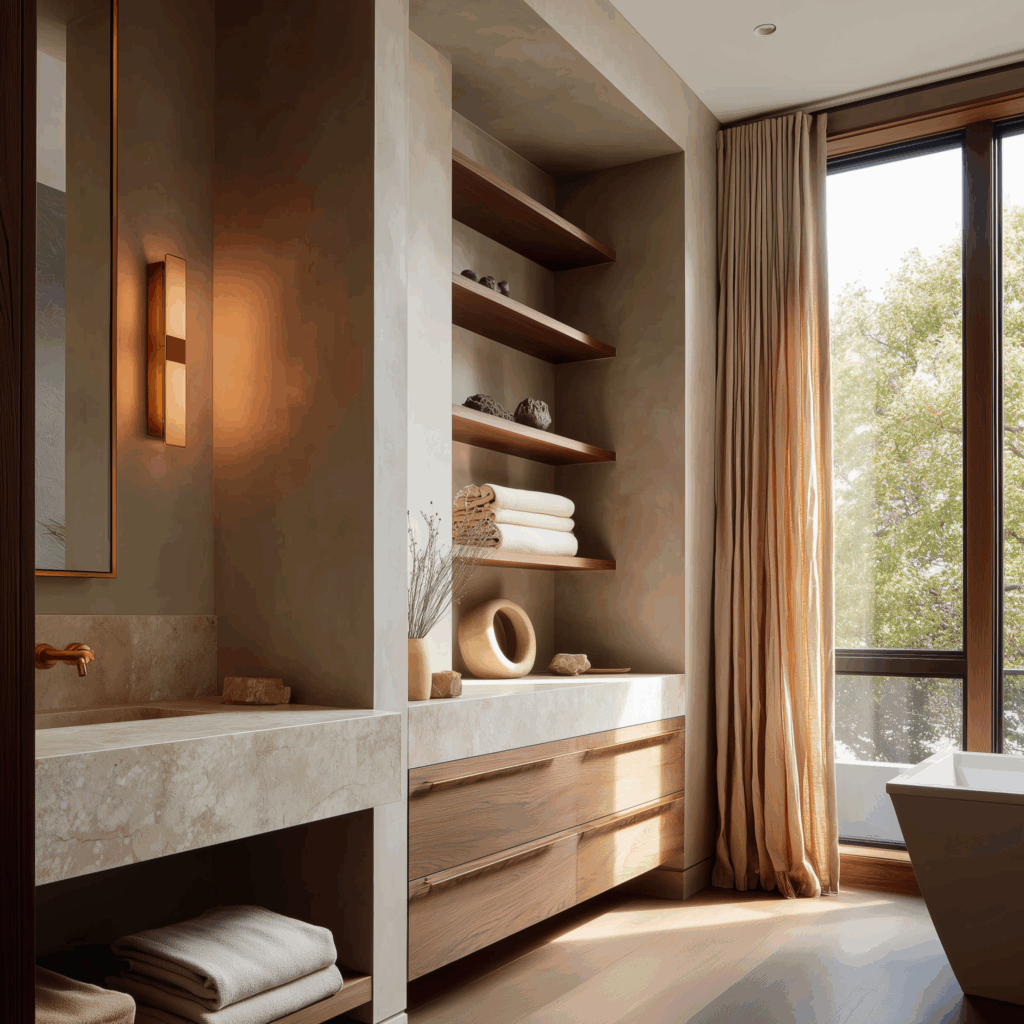
Why? Because Pinterest gives you the finish line, not the steps to get there. It shows you:
- The final look, not the logic behind it
- Pretty pieces, not how they function together
- Vibes, not real-life limitations (like that awkward corner or off-center window you’re trying to ignore)
So what happens? You start collecting beautiful, disconnected ideas. You buy a sofa that matches one pin and a lamp from another, but they don’t speak the same design language. There’s no glue. No thread. No through-line.
And instead of clarity, you’re left with confusion. Paralysis. And a room that feels… off.
You Don’t Need More Pins—You Need a Plan
Here’s the moment of truth: you don’t have a style problem. You need a strategy.
Pinterest is amazing for sparking ideas. But when you treat it like a roadmap instead of what it is, a highlight reel, you end up lost in a maze of aesthetic maybes.
Because no matter how beautiful something is, if it doesn’t work for your space, your layout, or your life, it’s just noise.
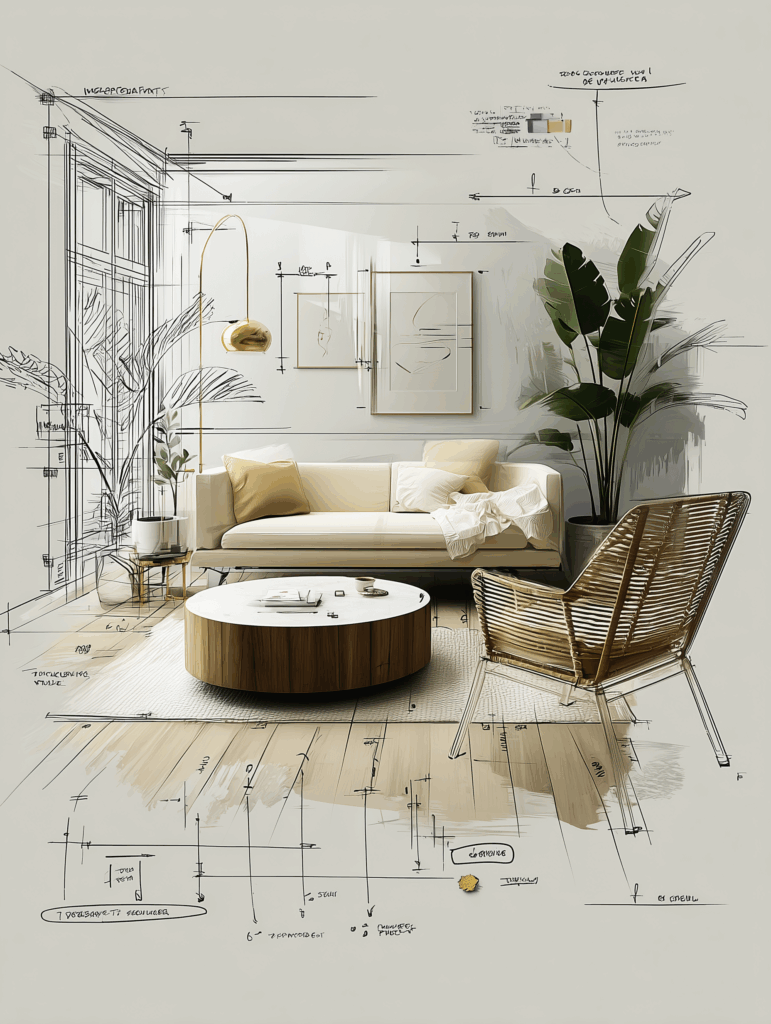
So before you add one more pin to your board, ask yourself:
- Will this layout actually work in my space?
That oversized sectional might be perfect in that sun-drenched loft in Copenhagen… but your 11×13 room with one working outlet and a mystery wall bump-out? Not so much. - Are these styles even speaking the same language?
That coastal grandmillennial kitchen and moody Art Deco bedroom might look great individually, but thrown together they can feel like a fight waiting to happen. - Am I buying for my lifestyle, or for someone else’s fantasy?
The boucle dining chairs in that pin are stunning. But if you’ve got toddlers, wine nights, or a Labrador with a grudge… maybe rethink that one.
The point? It’s not about more inspiration. It’s about filtering the inspiration through your reality.
And that’s where most people get stuck—because Pinterest doesn’t help you build that filter. That’s your job.
What Pinterest Gets Wrong About Decorating
Let me be clear: I love Pinterest. I use it, I pin from it, I send boards to design friends at midnight with “THIS VIBE!” in all caps and a series of enthusiastic emojis. But when it comes to actually decorating your home? Pinterest makes it look way too easy. (Want to follow? You can find me here.)
Because it skips over all the invisible, crucial steps that turn a collection of pretty images into a room that actually works.
Pinterest shows you:
- The end result, not the design process
- The perfectly lit corner, not the layout
- A curated moment, not the full story
What it doesn’t show you:
- Where to start
- How to make one decision lead to the next
- What makes a style cohesive, and what totally derails it
Instead, it flattens nuance. It serves up style without substance. So you’re left trying to reverse-engineer a vibe with no real map.
It’s not your fault your room doesn’t feel like your board. You’re trying to build a house with only the after photos.

The Part No One Posts on Pinterest
You know what never goes viral? The planning.
No one shows the hours spent figuring out how a room needs to function. Or the dozens of discarded ideas it takes to land on one great one.
Designers don’t start with color palettes or shopping links.
We start with:
- The direction – not locking yourself into a label, but choosing a lens that keeps you focused
- The vibe – not just “cozy,” but clear words that guide choices (think: “1970s cocktail party in Aspen”)
- The space audit – what stays, what fights the room, what solves a problem
Because when you know:
- What you’re trying to create
- How your space can support that
- And what style direction keeps you anchored
…every decision gets easier.
Not because there’s less choice, but because you finally know what you’re aiming for.
Turn Your Pretty Pictures Into a Plan
Pinterest isn’t the problem, it’s how you use it. You’ve pinned the dream. Now let’s make it real
You don’t need to ditch your mood board. You just need a way to filter it.
What are you really drawn to? Is it the palette? The clean lines? The cozy vibe?
This is where most people get stuck: scrolling through ideas without a system to connect them.
That’s exactly why I made the Interior Design Starter Kit. It helps you:
- Name the feeling you’re after (so your room doesn’t feel random)
- Audit your actual space (so you don’t buy based on fantasy)
- Lock in a style lens (so you stop second-guessing everything)
It’s how you go from “I like this” to “I know what to do next.”
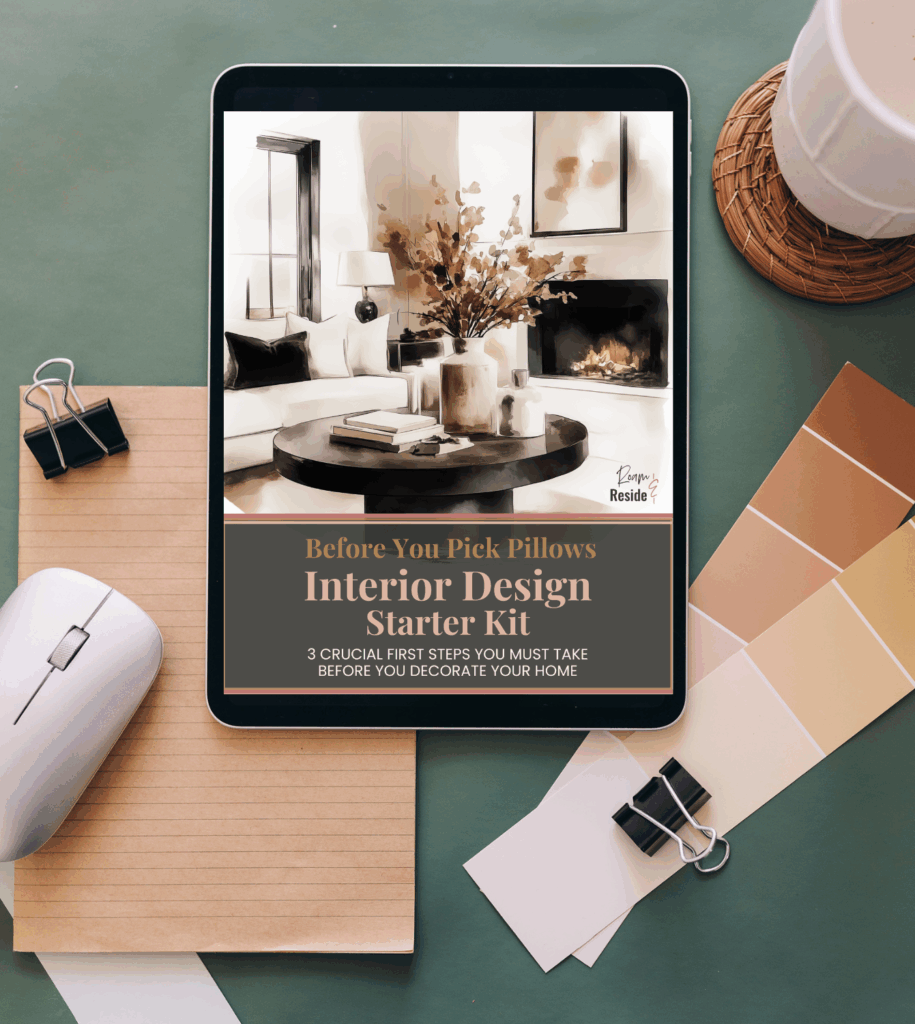
Start Here—Before You Add Another Pin
You don’t need more inspo. You need a starting point.
The Interior Design Starter Kit is a $9 digital guide that helps you figure out what you actually want your space to feel like—before you pick paint, buy furniture, or go down another scroll spiral.
It walks you through:
- Creating your vision (so your style doesn’t get lost)
- Auditing your space (so you don’t decorate blindly)
- Choosing a direction (so every choice feels on purpose)
It’s short. It’s powerful. It’s the clarity that most people skip—and exactly why their rooms fall flat. I don’t want that to happen to you!
FAQ’s to Avoid Making Pinterest Decorating Mistakes
Q: Pinterest has a million ideas. Why do I need your Starter Kit?
Because ideas aren’t the problem—clarity is. My Starter Kit helps you take all that inspiration and turn it into a plan that actually works for your space.
Q: How do I start decorating a room when I have no idea what I’m doing?
Step one: stop scrolling and start getting specific. What do you want your space to feel like? What’s working, and what’s driving you nuts? That clarity is what makes all the rest easier. My Interior Design Starter Kit walks you through that first step, so your decisions aren’t just guesses dressed up in good taste.
Q: Can I decorate without knowing my design style?
You could… but I wouldn’t recommend it, unless you want a hot mess of mismatched pieces and second guesses. You don’t need to memorize style labels, but you do need a clear visual direction. (Psst: I can help with that. My Interior Design Style Journal goes deeper if you need help narrowing it down.) It’ll keep you from veering off-course every time you see a cute chair.
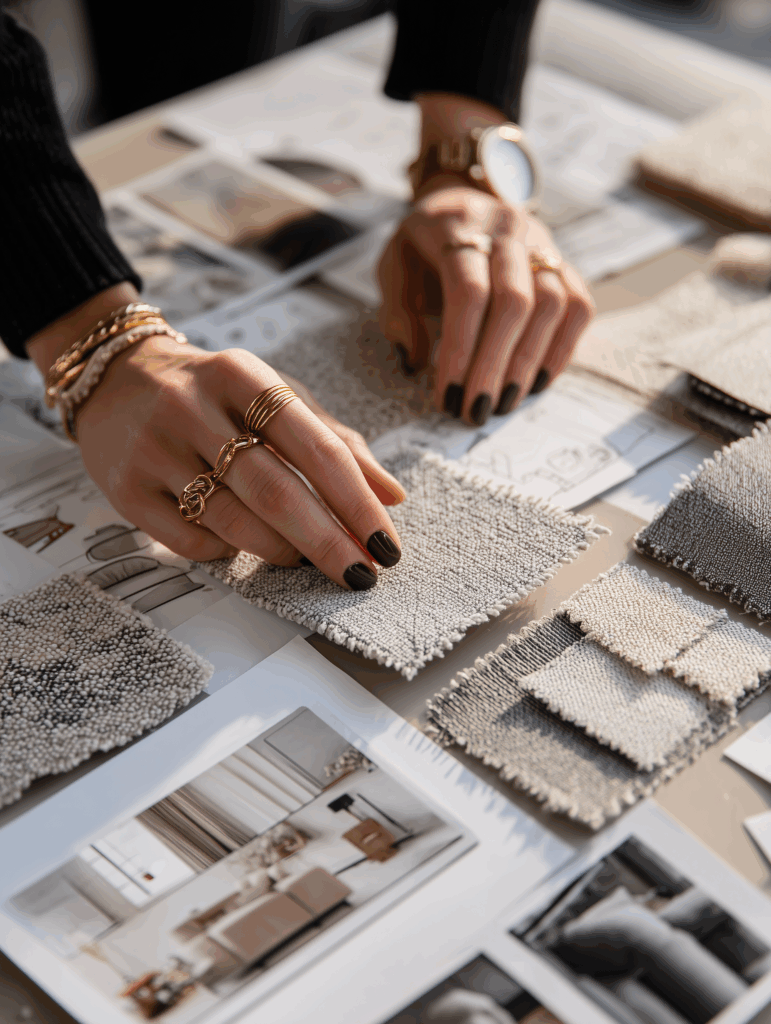
Q: Can I just copy a Pinterest room?
You could—but you’d be ignoring your layout, lifestyle, lighting, and what you already own. Copying a vibe is not the same as creating a cohesive space. Use Pinterest as a tool, not a blueprint.
Q: Why does my room feel “off” even though everything I bought is nice?
Because great taste can actually work against you. When you love lots of beautiful things, but don’t have a unifying vision, you end up with a room full of individually lovely pieces that don’t speak the same language. It’s not about liking pretty things. It’s about knowing which pretty things belong together.
Q: I love too many styles on Pinterest. Is that a problem?
Only if you try to decorate with all of them. Great taste can be your greatest obstacle if you don’t choose a direction. The Starter Kit helps you narrow in on a style lens—so your room doesn’t feel like a mood board exploded.
Q: How do I know what’s working (and not working) in my space?
Your room’s already telling you, you just need to listen. What feels good to be around? What frustrates you daily? The space audit inside the Starter Kit helps you break it down room by room, so your decisions come from facts, not frustration.
Q: Will the Starter Kit teach me everything I need to know about decorating?
Nope. And it’s not trying to. This isn’t a design degree, it’s a starting point. It helps you do the one thing most people skip: get clear before making decisions. Think of it as the calm before the creative storm. Once you’ve got your vision, space audit, and style direction locked in, I’ve got other tools, resources, and blog posts I’ve got other tools, resources, and blog posts, so you’re not figuring it out alone. As a next step, my Interior Design Project Planner can help you rock your renovation.
Q: You mentioned an online interior design course you teach—where can I take it?
Ah, yes, my course that taught over 40,000 students how to think like a designer (and finally pull their rooms together). I officially retired it because, hi, girl needs a life. Have you seen my Aesthetic Travel Guides? I’m on the move!
That said… if you’re genuinely interested, shoot me a message here or DM me on Instagram @roamandreside. If enough of you raise your hands, I might just bring it back. Never say never.
Design Doesn’t Have to Be Overwhelming
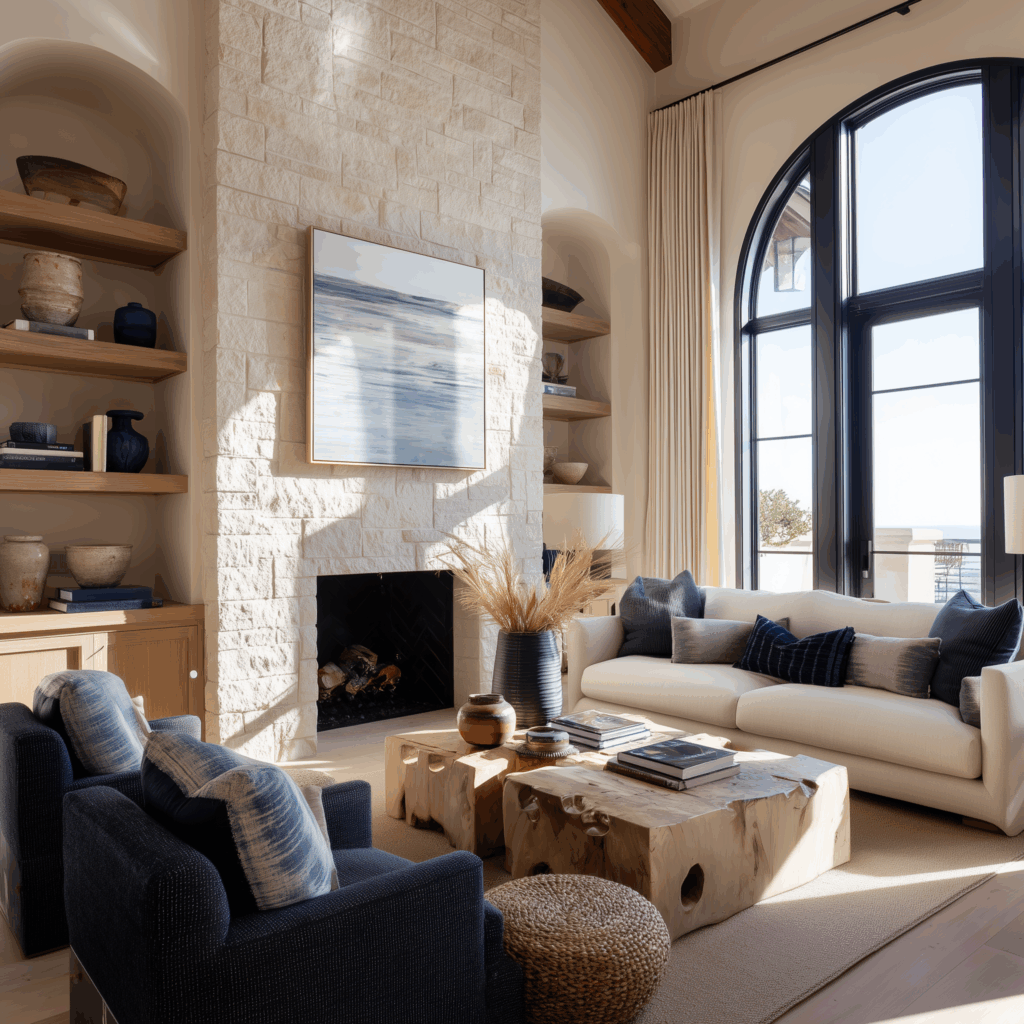
The dream room you’ve pinned a hundred times? You can absolutely make it happen.
All it takes is one clear step in the right direction.
Life’s too short to live in a room that doesn’t feel like you.
Don’t wait for “someday” or a total renovation. You don’t need perfection—you need a plan.
Start small. Start smart. I’ve got your back.
Here’s where to go next:
→ ICYMI: Don’t forget to grab your Interior Design Starter Kit here.
Speaking of Next Steps…
If you’re ready to move from mood boards to reality, you’re gonna want this.
You shouldn’t have to remember the name of that one light fixture from three weeks ago. Or which sage green felt just right. Your brain is not a binder, and a pile of post-its is a design-fail waiting to happen.
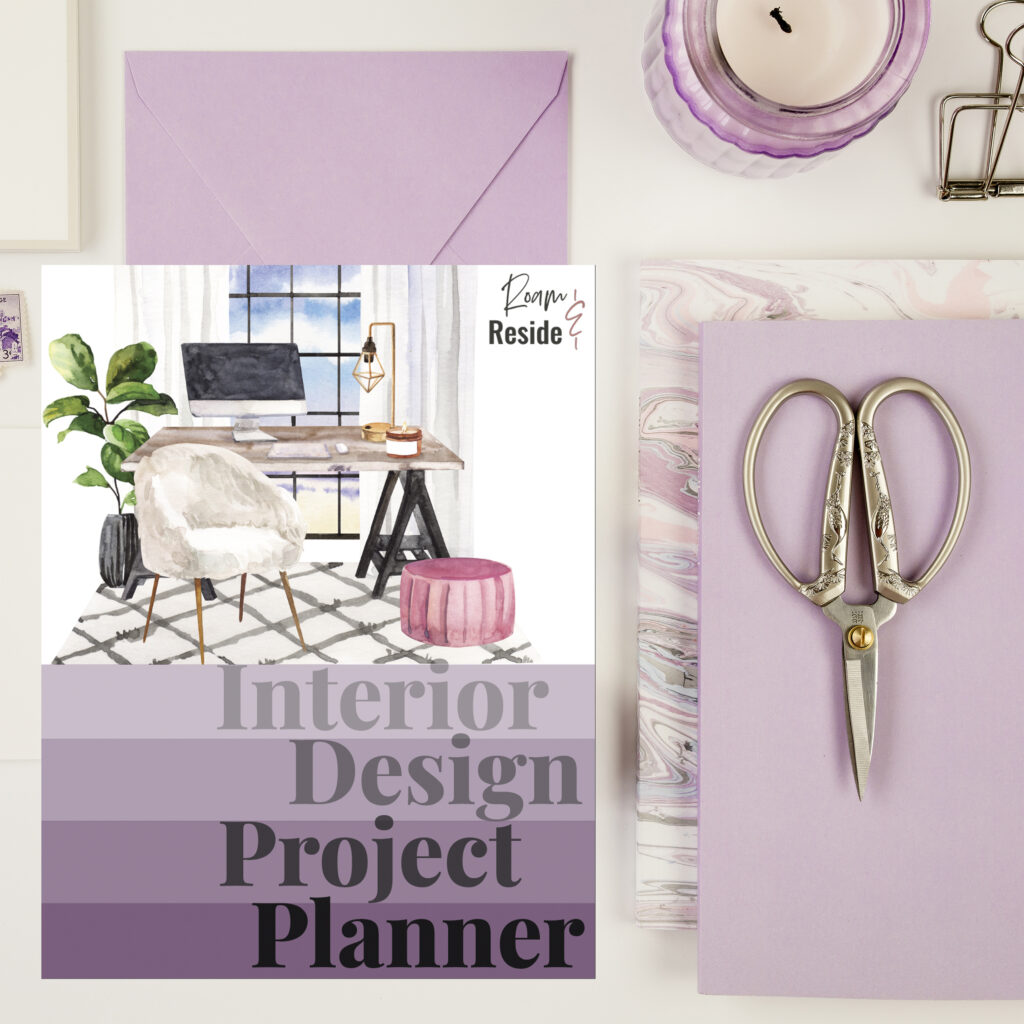
The Interior Design Project Planner is the tool I created from my own design process to help you control the chaos and save your sanity.
It will help you track it all: products, sources, swatches, and notes, so nothing falls through the cracks (or costs you later). Total game-changer.
Because design regrets? Yeah, no. You’re better than that.
And Some of my Favorite Blog Posts
:→ How to Decorate Your Room Like a Designer
Insider tips to help you think (and decorate) like a pro, even if you’re just starting out.
→ Why Impulse Buys Wreck Your Room’s Style
The truth about your “oops” purchases and how to break the cycle.
→ Interior Decorating Mistakes to Avoid (Before You Start)
The early traps that quietly wreck your room and what to do instead.
→ Shelf Styling Tips Designers Borrow from Boutique Hotels
Real tips from a hotel designer on how to make your shelves look chic (not cluttered).
→ 15 Small Bedroom Storage and Space-Saving Ideas
Because function can be fabulous, even in 200 square feet.
