TL;DR — These are the most unique, aesthetic Mexico City restaurants; the ones where the room is half the reason to book. Glass floors over lava rock, a churrería glowing in neon since 1935, a fire-driven Michelin kitchen, a rooftop staring down the Ángel de la Independencia. World-class food, unforgettable rooms. Here is where to go and exactly what to order.
Let’s be honest: everyone you know has either just gotten back from Mexico City or is currently plotting their escape there. And frankly, the hype is justified. CDMX is having a serious moment, and nowhere is that more obvious than its restaurant scene.
But you didn’t come here for another roundup of the same ten tasting menus every travel guide recommends. If you landed on this page, you’re probably looking for something else entirely. You care about the atmosphere. The architecture. The feeling you get when you walk into a room and immediately think, oh, this place gets it. You want restaurants that are as memorable as the meal itself—the kind of spaces you photograph before you’ve even glanced at the menu.
Same. That’s exactly why this list exists.
I’m a hotel and restaurant designer, which is a fancy way of saying I spend my life obsessing over the places where real life unfolds: first dates, birthday toasts, business lunches that accidentally become four-hour conversations. I don’t expect you to care about sight lines or material palettes, and I definitely won’t quiz you on Barragán. But I do believe that great design changes the way we experience a meal. It slows us down. It heightens the moment. It turns dinner into a story you’ll still be telling long after you’ve unpacked your suitcase.
And Mexico City does this better than almost anywhere else.
These are the most unique restaurants in Mexico City: nine spaces where the architecture, history, and sheer audacity of the design are every bit as compelling as what’s on the plate. Think glass floors suspended above volcanic rock, fire-driven Michelin-starred kitchens, candlelit courtyards beside centuries-old convents, and dining rooms so cinematic you’ll start mentally drafting your next dinner party before dessert arrives. Some are worth the splurge. Others are delightfully unfussy. All of them are destinations in their own right.
Because here’s the thing: you only get so many meals on a trip. So many opportunities to gather around a table in a city you’ll never experience in quite the same way again.
I’m here to help you make the most of every meal. Let’s dig in!
And if you’re looking for my top picks for the best stays in Polanco, check out my hotel recs here.

You could absolutely wing it in Mexico City.
Or…
You could be the person who somehow always knows about the rooftop with the best view, the hidden courtyard, the tiny mezcal bar, and the boutique hotel everyone asks about.
Coincidence?
No. It’s called having my Mexico City Aesthetic Travel Guide that includes all my favorite places to stay, eat, and wander.
Click below, download the free PDF, and save it to your phone so you have it right at your fingertips when you need it.
Because you deserve better than a generic Top 10 Must-See List.
Churrería El Moro: The Churro Shop That Became Iconic
Address | Eje Central Lázaro Cárdenas 42, Centro Histórico, Mexico City
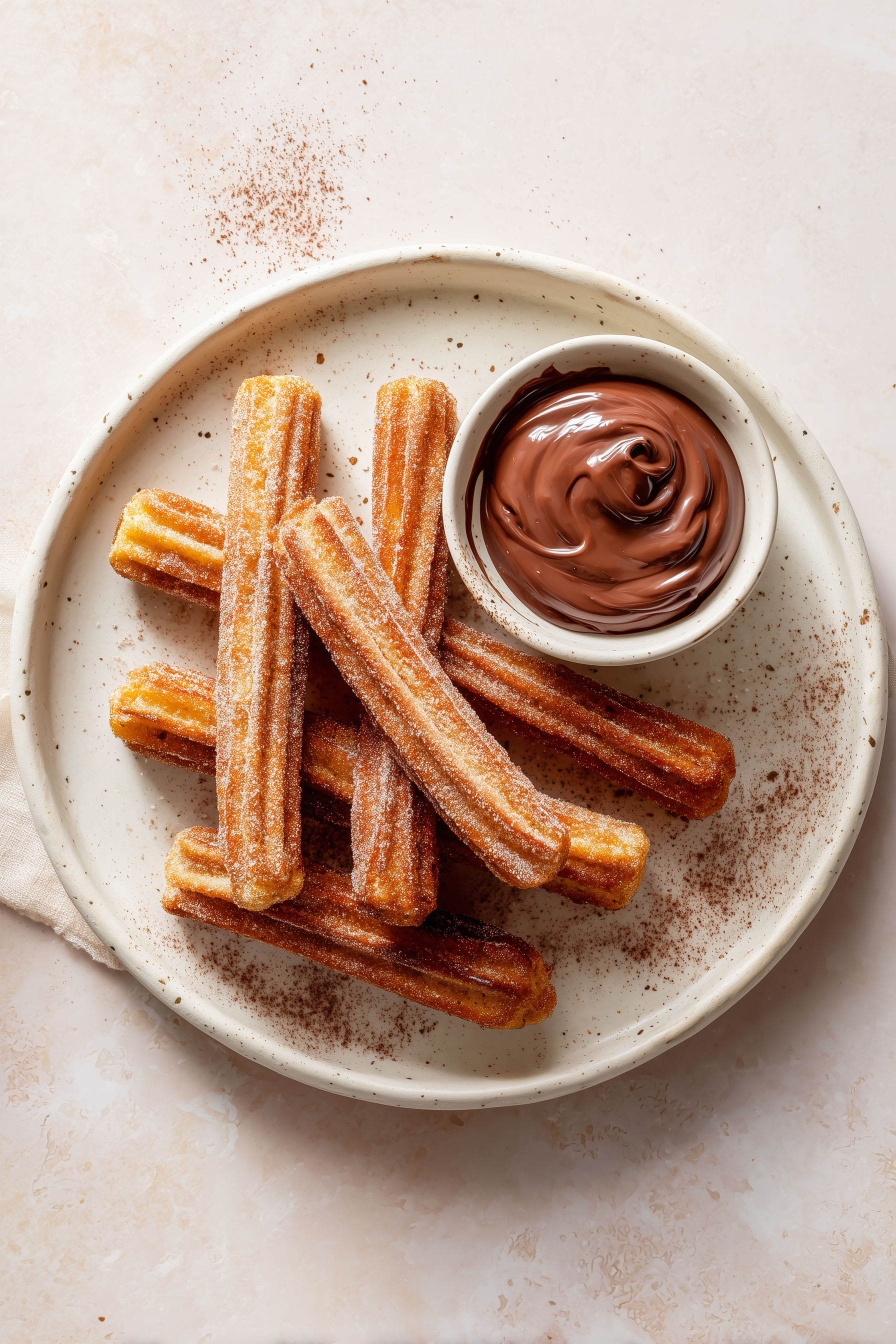
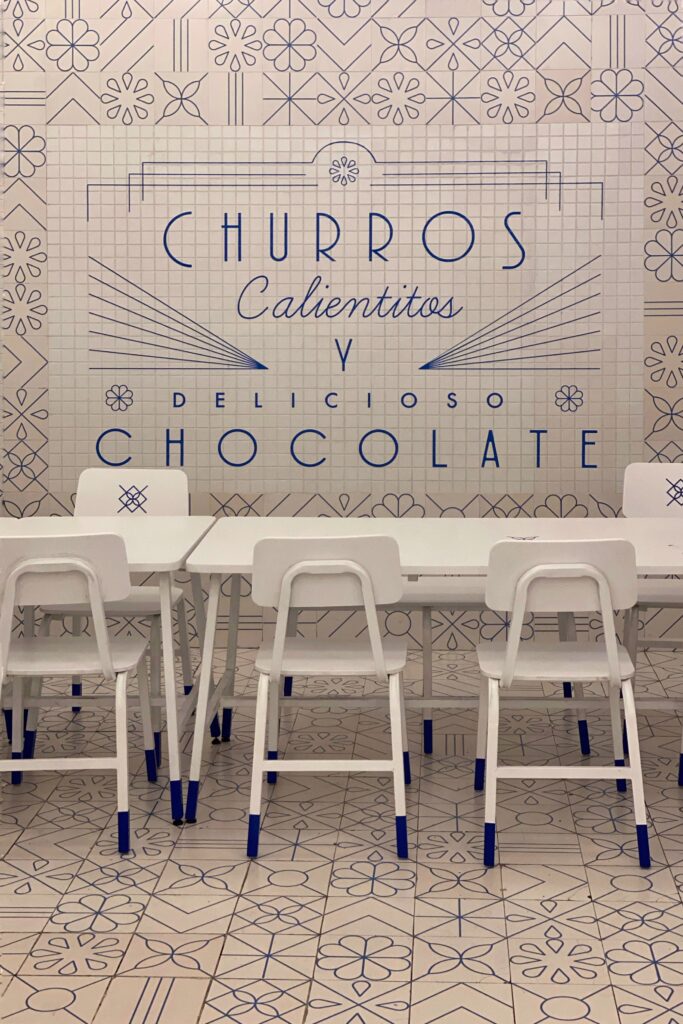
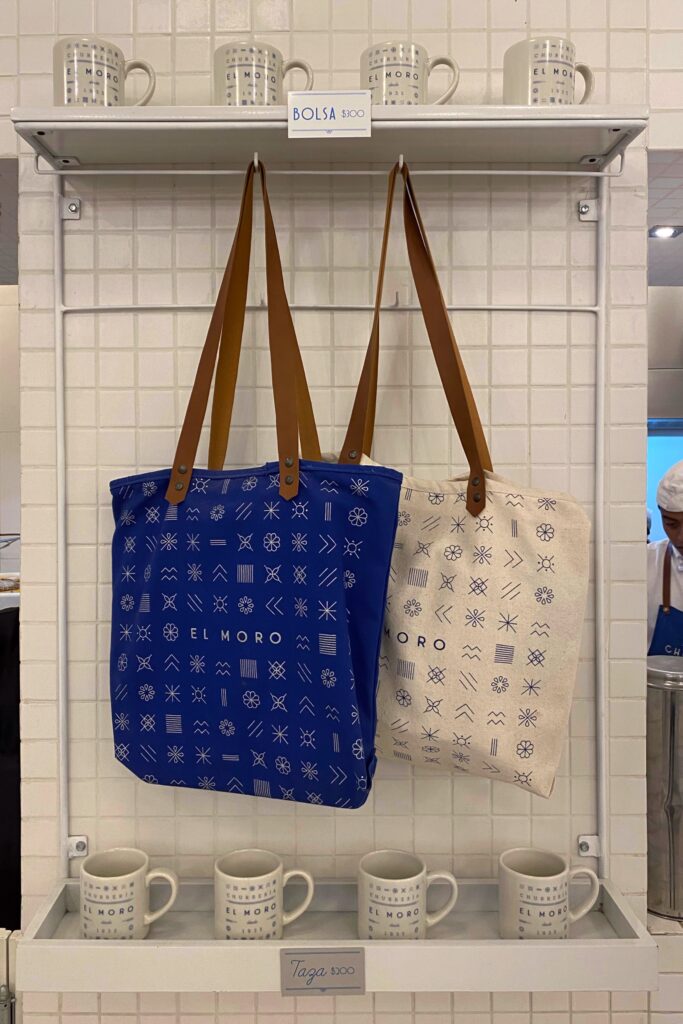
El Moro has been frying churros since 1935, but it’s the design that lands it on this list. The Polanco shop is pattern-drenched, walls and floor wrapped in blue-and-white line work, like graphic design staged a takeover of a churro shop.
Founded in 1935, El Moro has been serving churros and hot chocolate to Mexico City for nearly a century. What started as a humble churrería founded by Spanish immigrant Francisco Iriarte has evolved into one of the city’s most beloved rituals, open around the clock and woven into everyday life. Grandmothers bring grandchildren here. Friends end nights out here. Tourists stumble in for “just one churro” and leave plotting their return.
And aesthetically? It’s perfection.
The original location in Centro Histórico feels delightfully frozen in time, with its signature blue-and-white tilework, gleaming counters, vintage signage, and old-school energy that somehow reads as both nostalgic and impossibly current. It’s the kind of place design firms spend six figures trying to recreate, except El Moro earned it honestly.
Then there is the chocolate situation.
Forget everything you think you know about hot chocolate. At El Moro, there are multiple versions to choose from, each with its own personality. Español: the thick, almost pudding-like Spanish chocolate; Francés: a French version scented with vanilla; a cinnamon-kissed Especial; even Swiss chocolate crowned with whipped cream. Mexicano (traditional, earthy), Champurrado (thick, cinnamon, corn, almost a dessert), and Vegano (dairy-free). Choosing one feels less like ordering a beverage and more like finding your dessert soulmate.
The churros arrive hot, crisp, and aggressively dusted with cinnamon sugar. They are simple in the way only truly iconic foods can be. No gold leaf. No foam. No reinvention necessary.
Oh, and you don’t wanna miss the Consuelo, an ice-cream sandwich with a coiled churro on each end. Bonus points because some locations have a window onto the kitchen, so you can watch the churros being piped and fried. The magic is in the making. (PS – the original location is 24 hours. So you can get your fix any time, día y noche.)
El Moro: At a Glance
The vibe: vintage charm with a sugar rush.
Best for: late-night cravings, afternoon pick-me-ups, and anyone who plans trips around dessert.
Design details to notice: the blue-and-white tile, old-school signage, and the hypnotic choreography of churros frying to order.
Limosneros: Ancient Walls, Modern Mexican
Address | C. Allende 3, Centro Histórico de la Cdad. de México
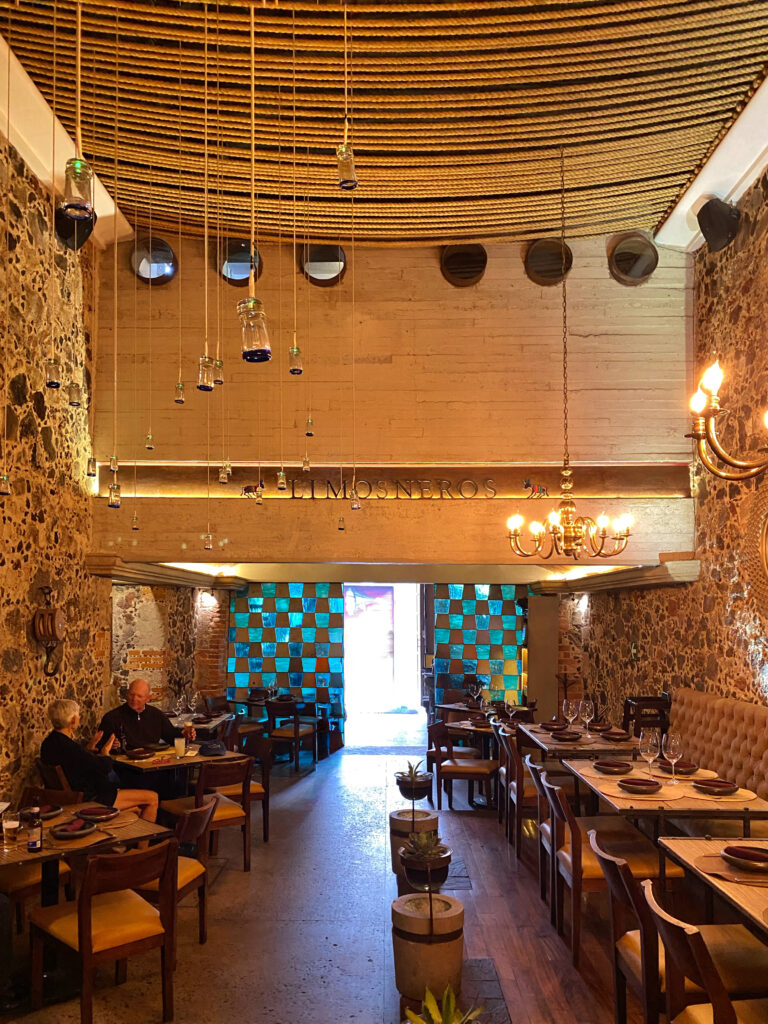
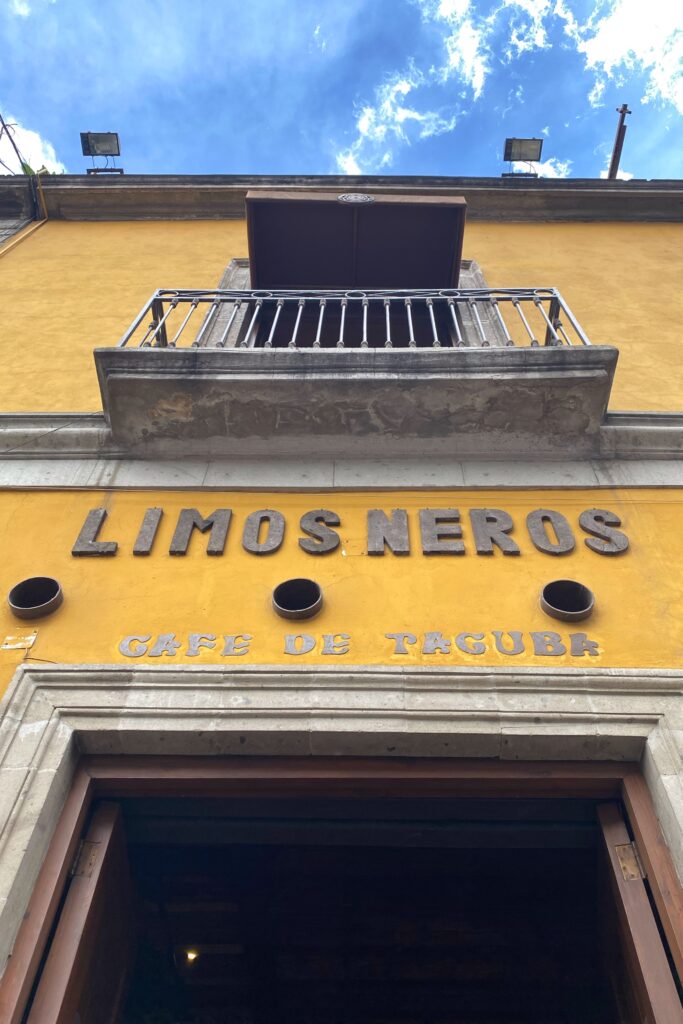
Some restaurants create atmosphere; Limosneros inherited it.
Tucked inside a two-story Spanish colonial building in Centro Histórico, the restaurant occupies a space that’s been standing for more than 400 years. During the restoration, the owners uncovered the original volcanic stone and brick walls hidden beneath centuries of renovations, revealing the building’s history in all its imperfect glory.
And the name? It tells that story too.
Centuries ago, the church collected limosnas—alms—in the form of donated stone. Those contributions eventually became the very walls surrounding diners today. So, in a sense, Limosneros was crowdfunded in volcanic rock four hundred years before that was a thing.
Inside, the design strikes that elusive balance between reverence and playfulness. Low lighting and warm wood soften the rugged stone, while talavera tile, Huichol embroidery, antique mirrors, and carefully layered textures make the space feel collected rather than curated.
But Limosneros rewards curiosity.
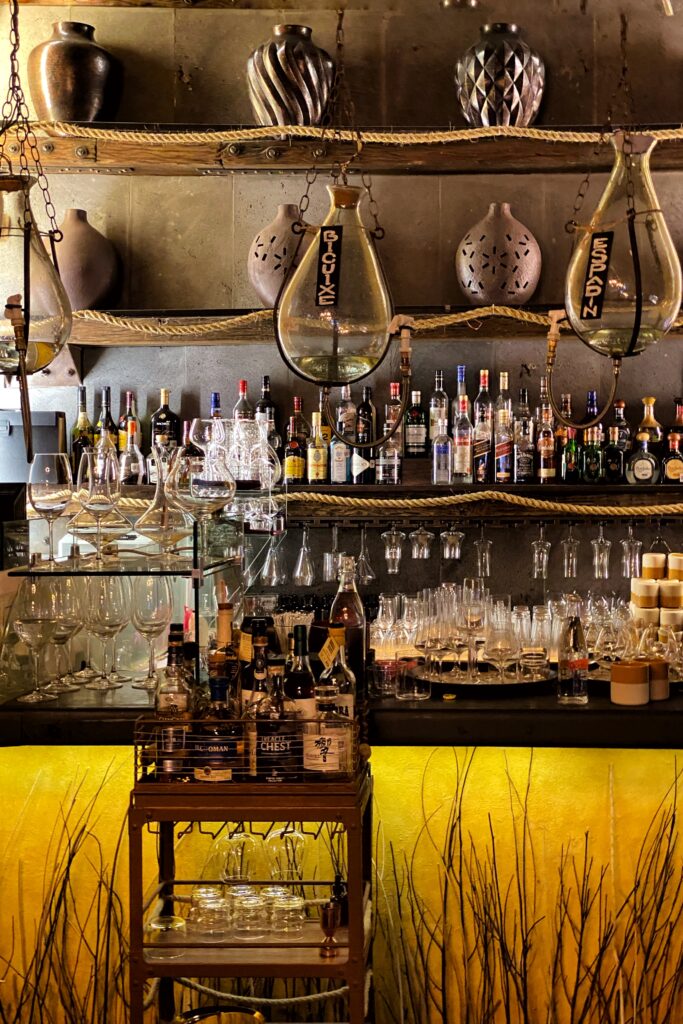
Head upstairs, where even the restrooms come with peekaboo windows overlooking the dining room below. The second floor opens beneath a dramatic glass ceiling that floods the ancient walls with daylight and transforms into something undeniably cinematic after dark. Pendant lights crafted from repurposed molcajetes (traditional volcanic-stone mortars) float overhead. And keep an eye on the mezcal bar, where big glass urns of the good stuff, damajuanas, hang right over the counter.
And then the food quietly reminds you why this place earned Michelin recognition in the first place.
The menu explores contemporary Mexican cuisine through a deeply rooted lens, drawing inspiration from pre-Hispanic ingredients and traditions. The taco tasting menu is the move: a procession that might include earthy cuitlacoche, buttery escamoles (ant larvae, if you’re feeling brave), richly marbled wagyu skirt steak, and somehow ends with a cotton-candy taco for dessert. Add a pour from the extensive mezcal selection, let the staff guide you through the agaves, and settle in.
Limosneros isn’t just dinner. It’s four centuries of Mexican history with really excellent tacos.
Limosneros: At a Glance
The vibe: centuries-old bones with just enough drama.
Best for: design lovers, mezcal enthusiasts, and diners who appreciate a good story with their starter.
Design details to notice: the exposed volcanic stone, molcajete pendant lights, and the glass-roofed dining room upstairs.
Aitana: The One Inside the Dorito Building
Address | Pedregal 24, Lomas–Virreyes, Miguel Hidalgo, CDMX

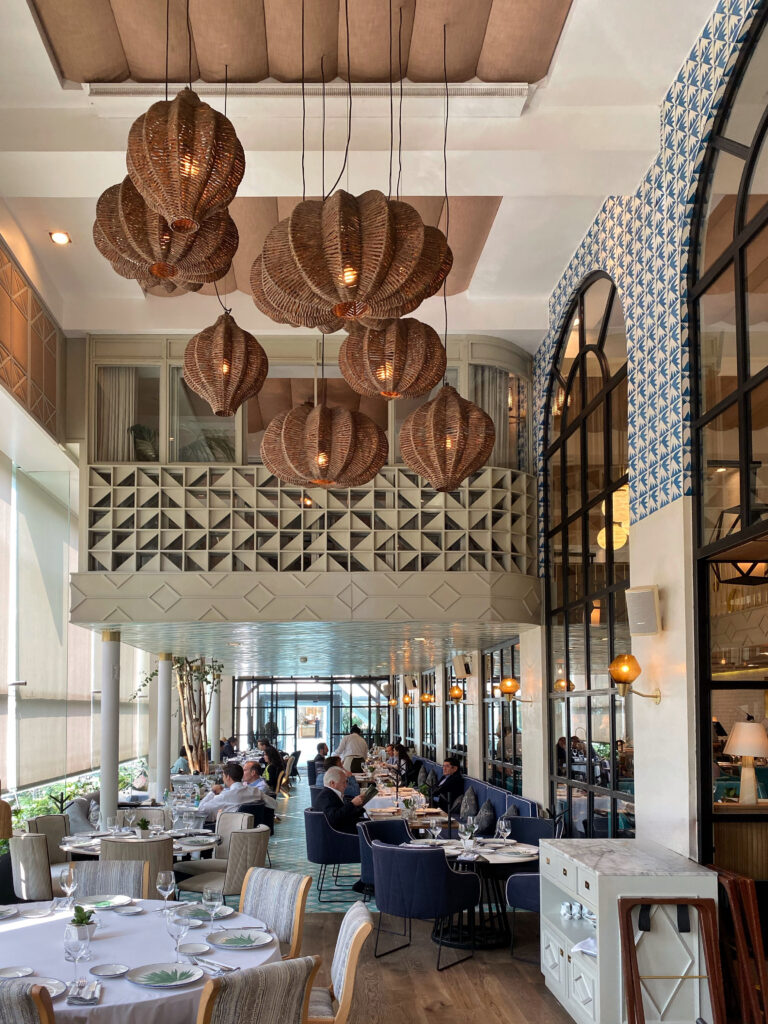
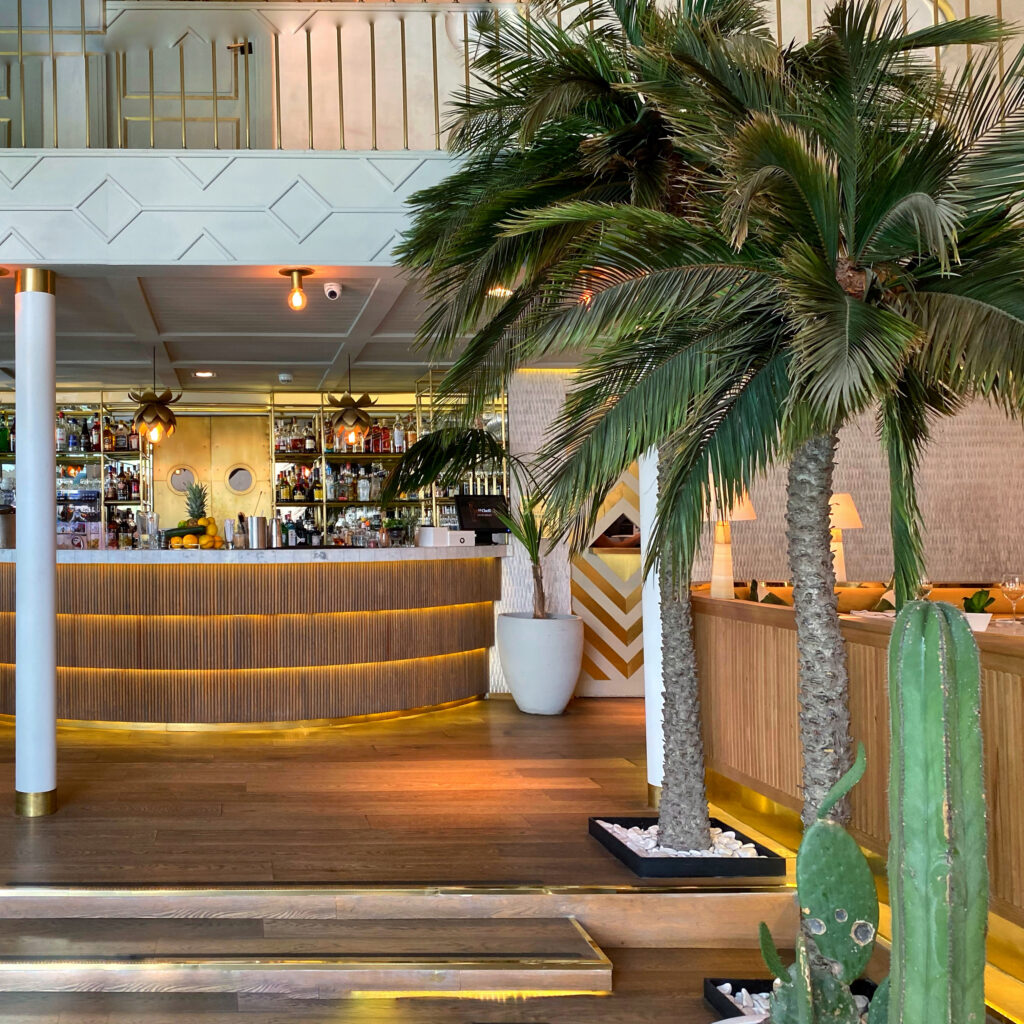
You’ve definitely seen Torre Virreyes, even if you don’t know its name. It’s the striking inverted-triangle skyscraper locals affectionately call “El Dorito,” and once you notice it, you’ll never unsee it.
Aitana lives inside it. And somehow, the restaurant manages to outshine the architecture.
The interiors, designed by Spanish firm Hurlé & Martín, embrace maximalism in all the right ways: a little Miami Art Deco, a little Mediterranean ease, a distinctly Mexican sense of color and warmth. Green-and-blue tilework wraps around marble surfaces, oversized windows flood the room with light, and plants spill from nearly every corner until the whole space feels less like a restaurant in a corporate tower and more like a garden party with excellent taste.
Frequently described as one of the prettiest in Lomas de Chapultepec, it’s the kind of place that changes personality throughout the day. By afternoon, it’s bright and leafy, with sunlight filtering through the greenery. By evening, everything softens into candlelight and gold, and suddenly one drink turns into dinner.
The menu mirrors the setting’s dual identity. Chef Alberto Ituarte draws from both Spanish and Mexican traditions without forcing the point. Think piquillo peppers stuffed with bonito, huevos rotos crowned with Ibérico ham, and a molten manchego fondant that makes a compelling argument for ordering dessert even when you insist you won’t.
Start with a Verde Bamboo cocktail. Stay longer than you planned.
Because Aitana is proof that even inside one of Mexico City’s most recognizable buildings, the best part can still be what’s happening at the table.
Aitana: At a Glance
The Vibe: A Mediterranean garden party tucked inside a glass tower.
Best for: impressing someone without looking like you’re trying to impress them.
Design Details to Notice: the walls of windows, the tile details, and the indoor jungle energy.
If you do one thing: book the terrace. Some tables deserve a reservation strategy.
Tetetlán: Glass Floors Over a Sea of Lava Rock
Address | Av. de Las Fuentes 180-B, Jardines del Pedregal, CDMX
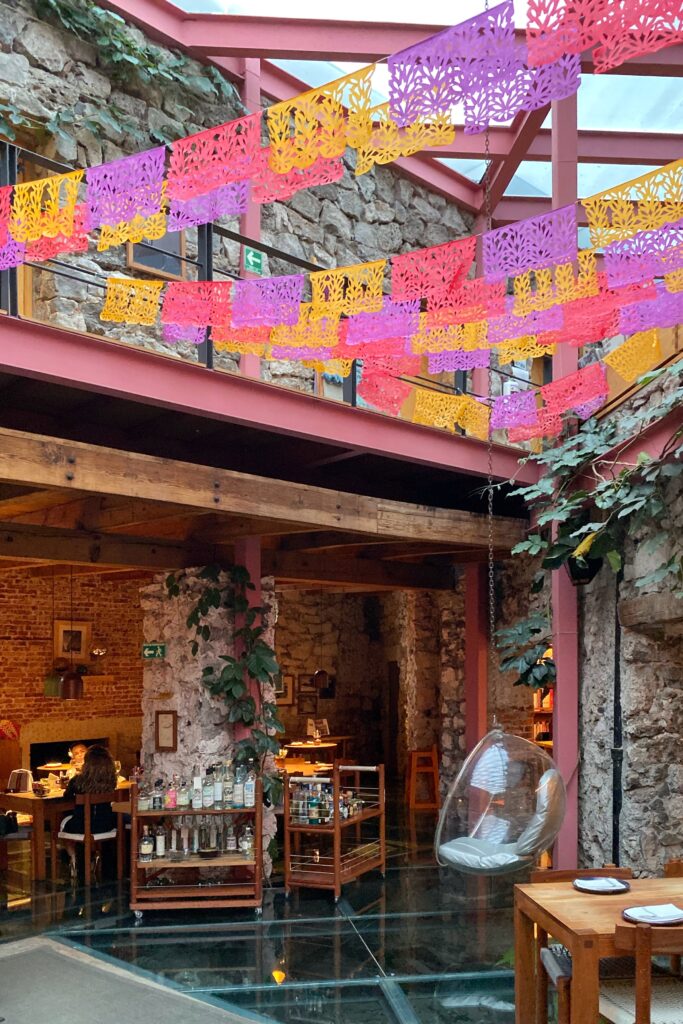
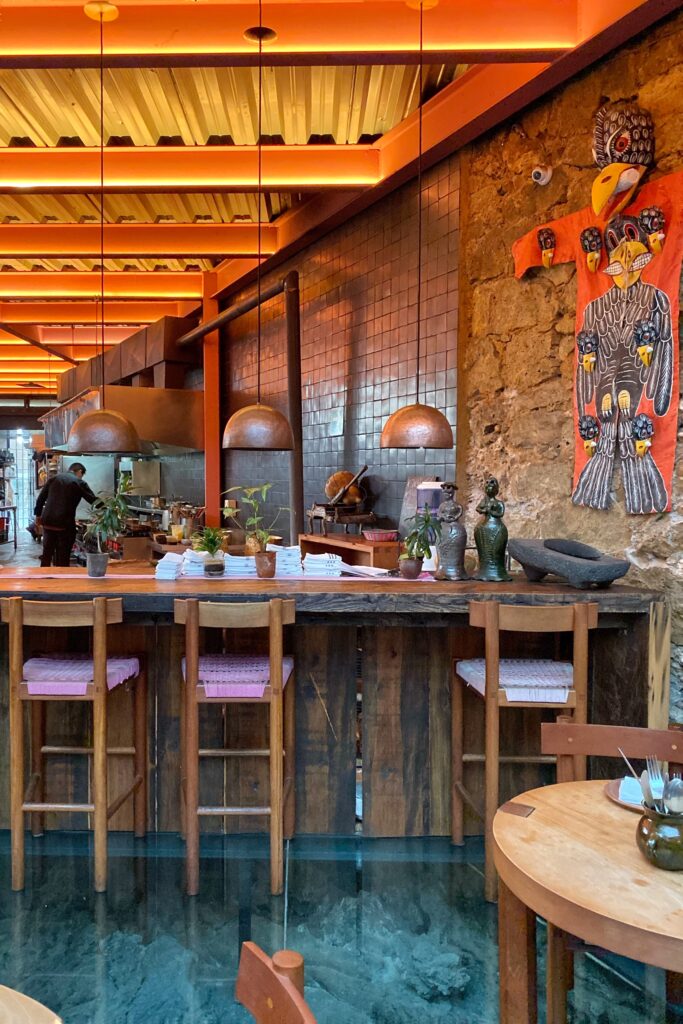

This one’s so good it earned its own full post, so I’ll keep it brief here and send you there for the whole story. Seriously, check out my dedicated post – this is one of my favorite spaces in all of Mexico.
Tetetlán occupies the former horse stables of Casa Pedregal, Luis Barragán’s architectural masterpiece, but don’t let that intimidate you. This isn’t a museum where you’re afraid to touch anything. It’s vibrant, colorful, and wonderfully alive—a multi-level space designed for wandering.
And yes, the headline feature really is that wild: glass floors suspended above the jagged volcanic rock of El Pedregal, so you can sip coffee or linger over brunch while staring straight down at the lava field beneath your feet.
But the magic of Tetetlán is in the layers. Part restaurant, part design shop, part cultural gathering space, it’s the kind of place where you order another drink simply because you haven’t finished exploring yet.
Tetetlán: At a Glance
The vibe: brunch with a side of geological drama.
Best for: curious wanderers and people who always say, “Let’s just take a quick look around.”
Design details to notice: the lava beneath your feet, the colorful multi-level spaces, and the design shop that’s dangerous for carry-on luggage.
If you do one thing: look down. Then look around. And save some room for the fun finds in the shop.
Sylvestre: The Mansion That Learned How to Throw a Garden Party
Address | Anatole France 74, Polanco, CDMX


Sylvestre occupies Casa Calderón, a 1950s California Colonial mansion tucked into the heart of Polanco. When Sordo Madaleno transformed the property into a restaurant, they didn’t just preserve its elegance; they gave it a plot twist.
You arrive via a sweeping double stone staircase that leads into a soaring, double-height lobby built around a five-meter tree. An actual tree. Indoors. It’s dramatic without feeling showy, as though the house simply decided that nature deserved a seat at the table.
And that’s the thread that runs through the entire experience.
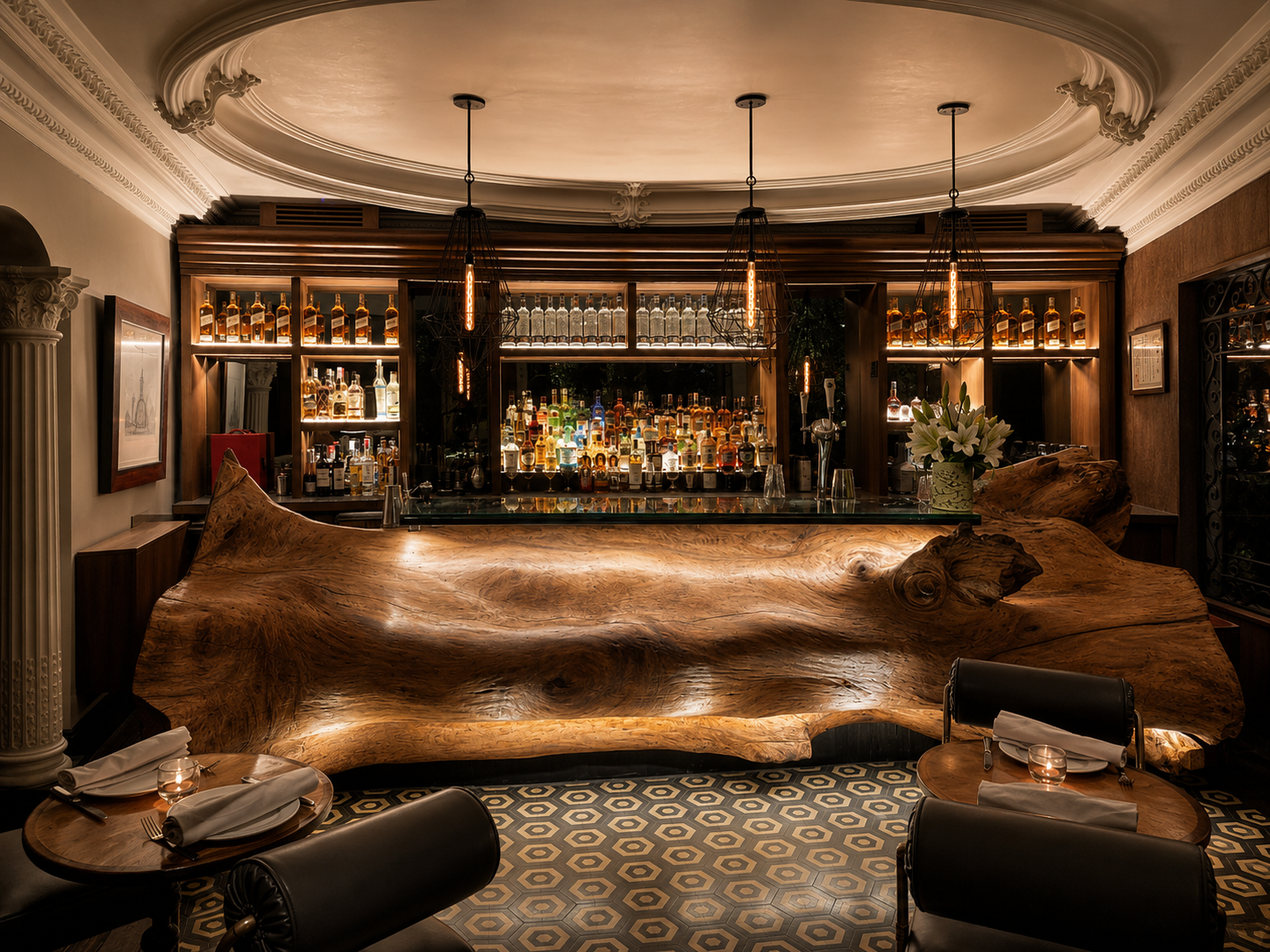
Downstairs, you’ll find a hidden library and a smokers’ lounge wrapped in dark wood paneling, worn leather, and bronze mirrors overhead. It’s all very old-world club meets secret hideaway—the kind of room where one nightcap quietly becomes three. The bar, meanwhile, is carved from a single mango tree trunk, because subtlety was clearly never the assignment.
Upstairs, the dining room spills onto a generous terrace, balancing all that richness with fresh air and greenery. The restaurant draws inspiration from The Crime of Sylvestre Bonnard, weaving together classic refinement and a touch of wildness, as though an impeccably dressed dinner party slowly got reclaimed by the garden.
The menu follows suit.
This is Argentine-Mexican cooking centered around fire: beautifully charred cuts of meat, generous pours of red wine, and meals designed to unfold slowly. Come with people you actually enjoy talking to. Order for the table. Stay longer than intended.
Sylvestre: At a Glance
The vibe: private-club polish with a touch of jungle fever.
Best for: pretending, for one evening, that you own a very beautiful mansion in Polanco.
Design Details to Notice: the five-meter indoor tree, the mango wood bar, and the feeling that nature got a seat at the table.
If you do one thing: arrive early enough to explore. This house rewards curiosity.
Cha Cha Chá: Come for the View, Stay for the Mole
Address | Av. de la República 157, Tabacalera, Cuauhtémoc, CDMX, Mexico
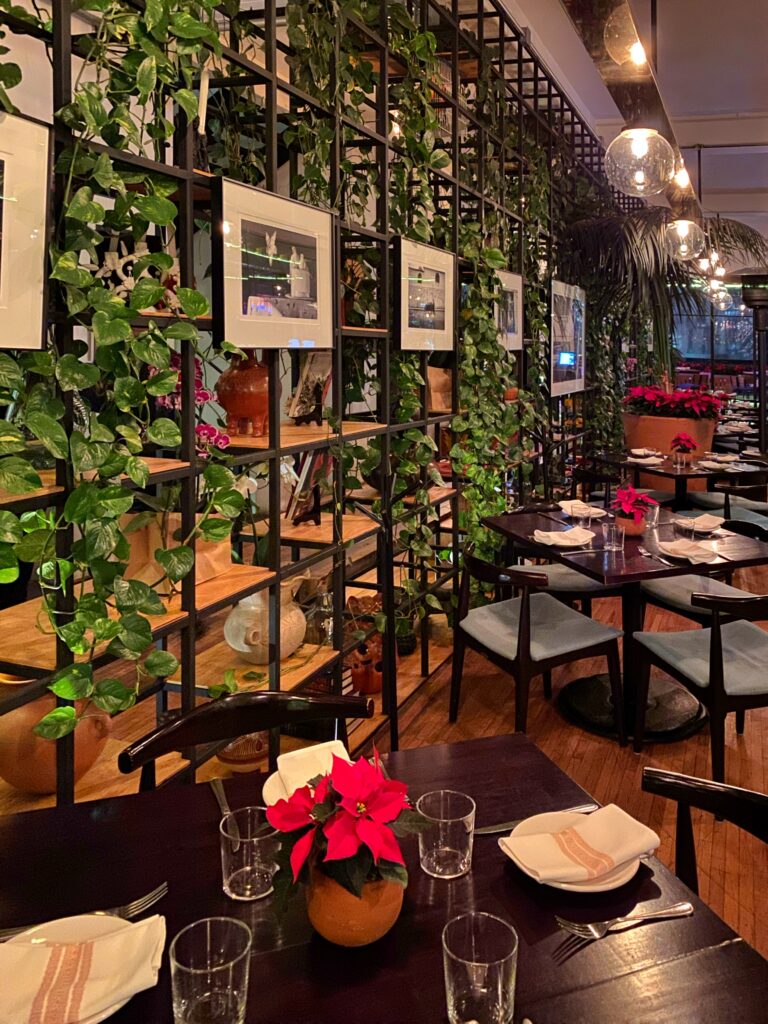
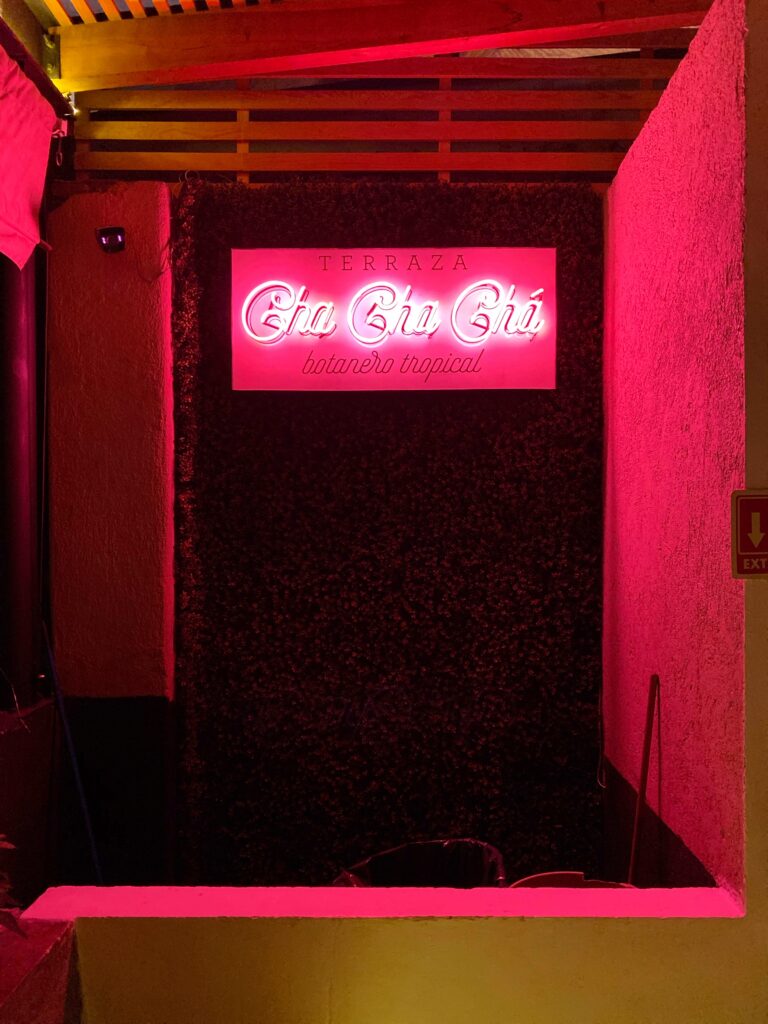
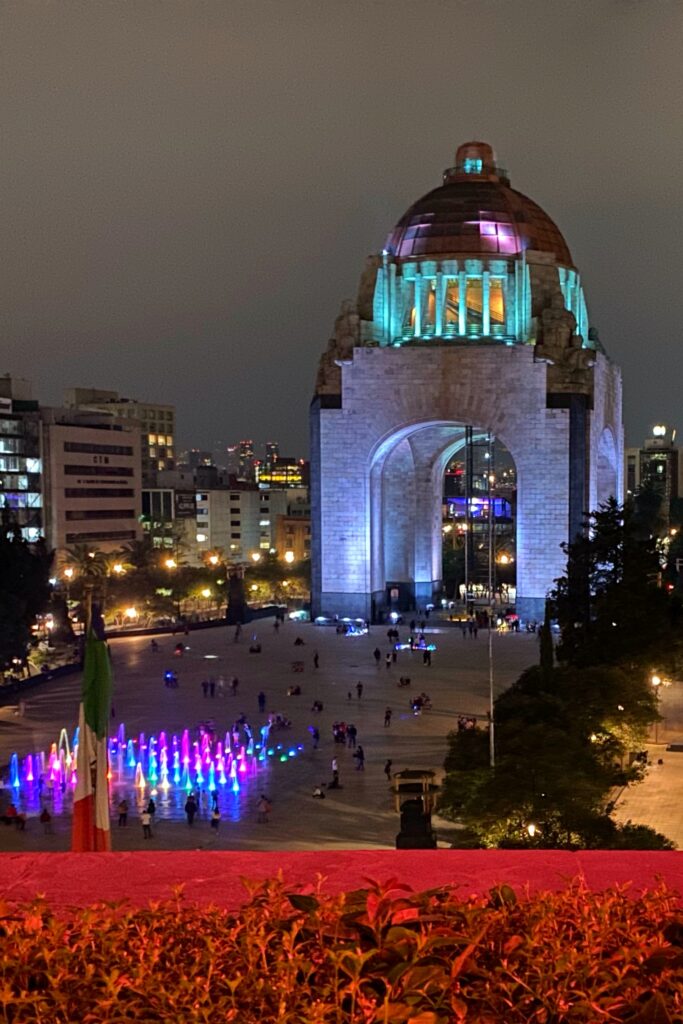
Cha Cha Chá sits in Tabacalera, a central, slightly under-the-radar neighborhood anchored by one of Mexico City’s most spectacular landmarks: the Monumento a la Revolución. Take the elevator up to the sixth-floor terrace and there it is.
The terrace leans unapologetically tropical botanero. Plants spill from every corner. Mexican textiles add warmth and color. Rattan softens the edges. By golden hour, the whole place seems to glow. Add a mariachi band wandering between tables and a very good margarita in hand, and suddenly you’ve checked off half a dozen Mexico City clichés in the best possible way.
The menu describes itself as “social cuisine,” which is a polished way of saying the food is designed to be shared. Large-format Mexican dishes arrive for the table, encouraging exactly the kind of long, noisy dinner this setting deserves.
And then there’s the mole.
On my first visit, as the only gringa at the table, I ordered the mole without hesitation. When the waiter ceremoniously placed a bib napkin down in front of me—and only me—I was mortified. Had I somehow projected “high splash risk” from across the table? I would love to tell you I accepted this gracefully. I did not. What exactly are you implying, sir?
Having absolutely no poker face, the entire table immediately clocked my expression and burst into laughter. One amiga gently informed me that the bib wasn’t personal. Mole is rich, glorious, and remarkably committed to finding its way onto unsuspecting clothing. The bib, she explained, simply comes with the order.
Order the mole. Wear the bib. Graciously.
Some lessons are best learned the delicious way.
Cha Cha Chá: At a Glance
The vibe: rooftop fiesta with a front-row seat to history.
Best for: golden hour reservations and groups that know dinner is the evening’s main event.
Design details to notice: the tropical layering, the riot of color and texture, and that perfectly framed Monumento view.
If you do one thing: order the mole. And accept the bib with gratitude.
Bajel & Cityzen Restaurants: Fire and Sky
Address | Av. Paseo de la Reforma 297, Piso 38, Cuauhtémoc, CDMX
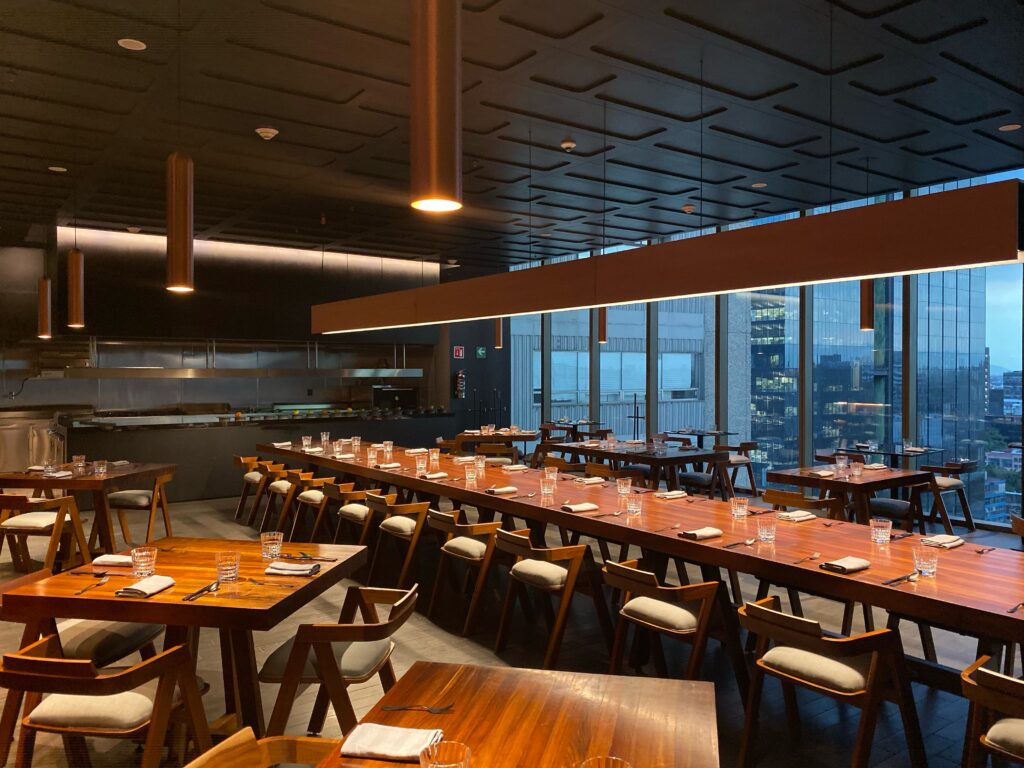
If Mexico City had an official recipe for a splurge night out, I suspect it would involve the Sofitel.
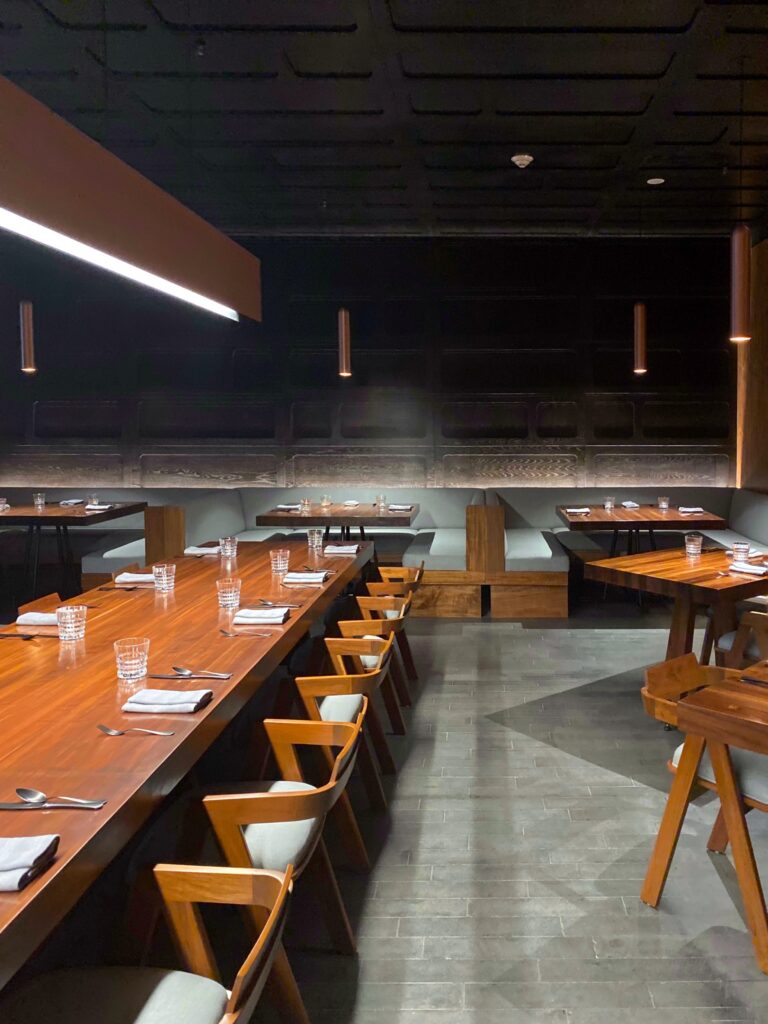
On the 13th floor sits Bajel, the only restaurant inside a luxury hotel to earn a place in the Mexico Michelin Guide. Chef Alonso Vidal’s concept revolves around fire—not simply as a cooking technique, but as a creative language. You see it in the choreography of the open kitchen, where each course is prepared in full view, and you feel it in the restaurant’s warm, elemental atmosphere.
The room mirrors that philosophy. Copper tones glow against dark walnut wood. The lighting is low and flattering. The scale remains intimate, despite the drama unfolding in the kitchen. It’s sophisticated without feeling stiff—the kind of space that makes you instinctively sit up a little straighter.
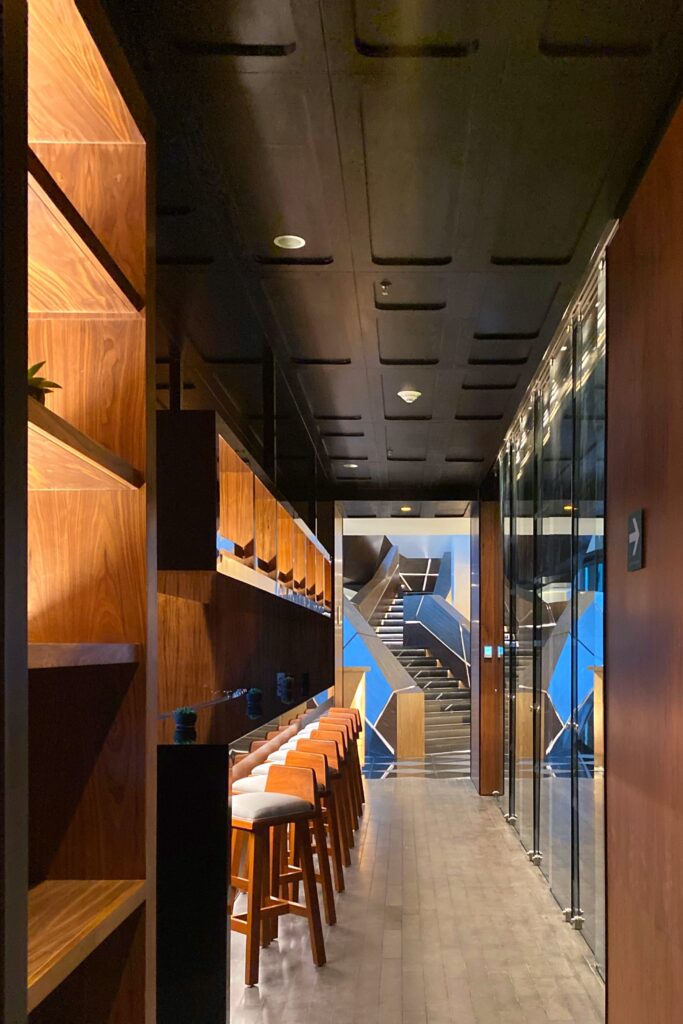
Then, a few floors above, the mood shifts entirely.
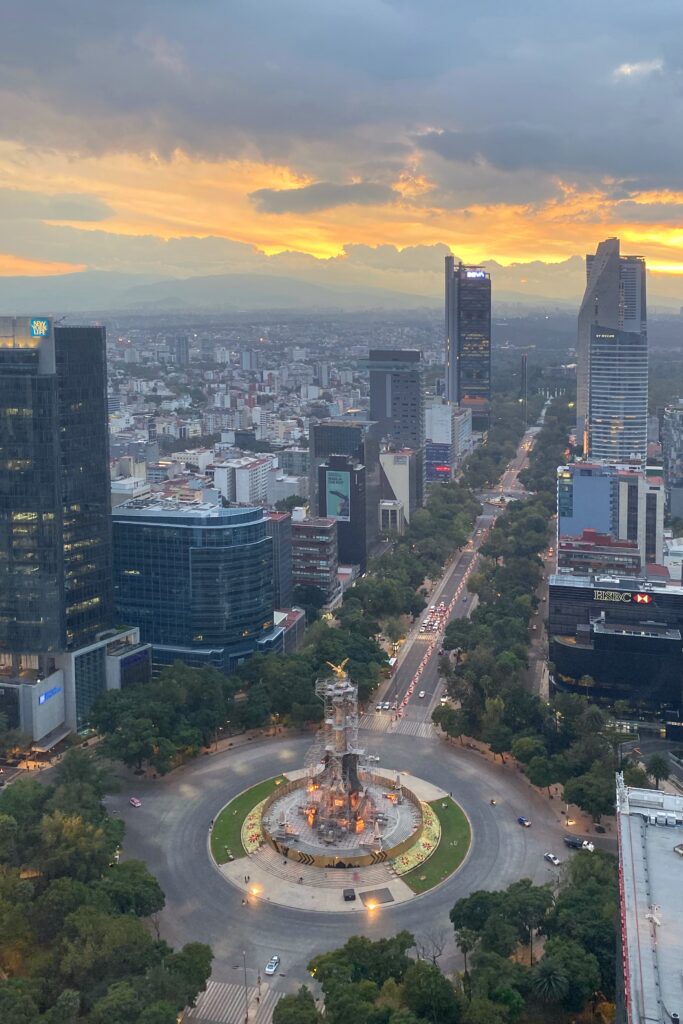
Take the elevator to the 38th floor and you’ll find Cityzen, the Sofitel’s rooftop bar, where the views are frankly ridiculous. The wraparound terrace overlooks Paseo de la Reforma, with the Ángel de la Independencia glowing below, Chapultepec Castle perched in the distance, and the city unfurling all the way to the mountains. Step inside and the spectacle continues: floor-to-ceiling windows, warm wood and stone, and a moody, romantic atmosphere that ensures the skyline follows you even off the terrace.
The menu at Cityzen is built for grazing over cocktails at sunset, with shareable plates like crispy calamari, sliders, and a sneaky-great grilled cheese layered with camembert and Ibérico ham. The mixology program holds its own, too, making it dangerously easy to order one more round “for the view.”
Full honesty: I haven’t actually eaten at Bajel yet. I had dinner at Cityzen on my last trip and only managed to slip downstairs long enough to peek into Bajel and snap a few photos. But I fell in love with the space and am already planning for it to be the splurge on my next visit.
So my vote: Start with sunset cocktails high above Reforma. Then head downstairs for a fire-driven Michelin experience. One rooftop, one dining room, and every reason to linger long after the elevator doors close. (Oh, and also be sure to see the sculptural stairwell in the lobby of the Sofitel. It’s a showstopper!).
Bajel & Cityzen: At a Glance
The vibe: open flame, open skies.
Best for: people who refuse to choose between the view and the reservation.
Design details to notice: one elevator, two completely different experiences.
If you do one thing: book dinner at Bajel, but arrive early enough for a cocktail at Cityzen. Some elevators lead to very good decisions.
La Única: A Table for the Spontaneous
Address | Anatole France 98, Polanco, CDMX
Every city needs a restaurant like La Única: stylish enough to impress, relaxed enough to welcome you in on a whim.
And every list of impressive restaurants needs one spot that doesn’t require a battle plan to book a table. La Única is that spot.
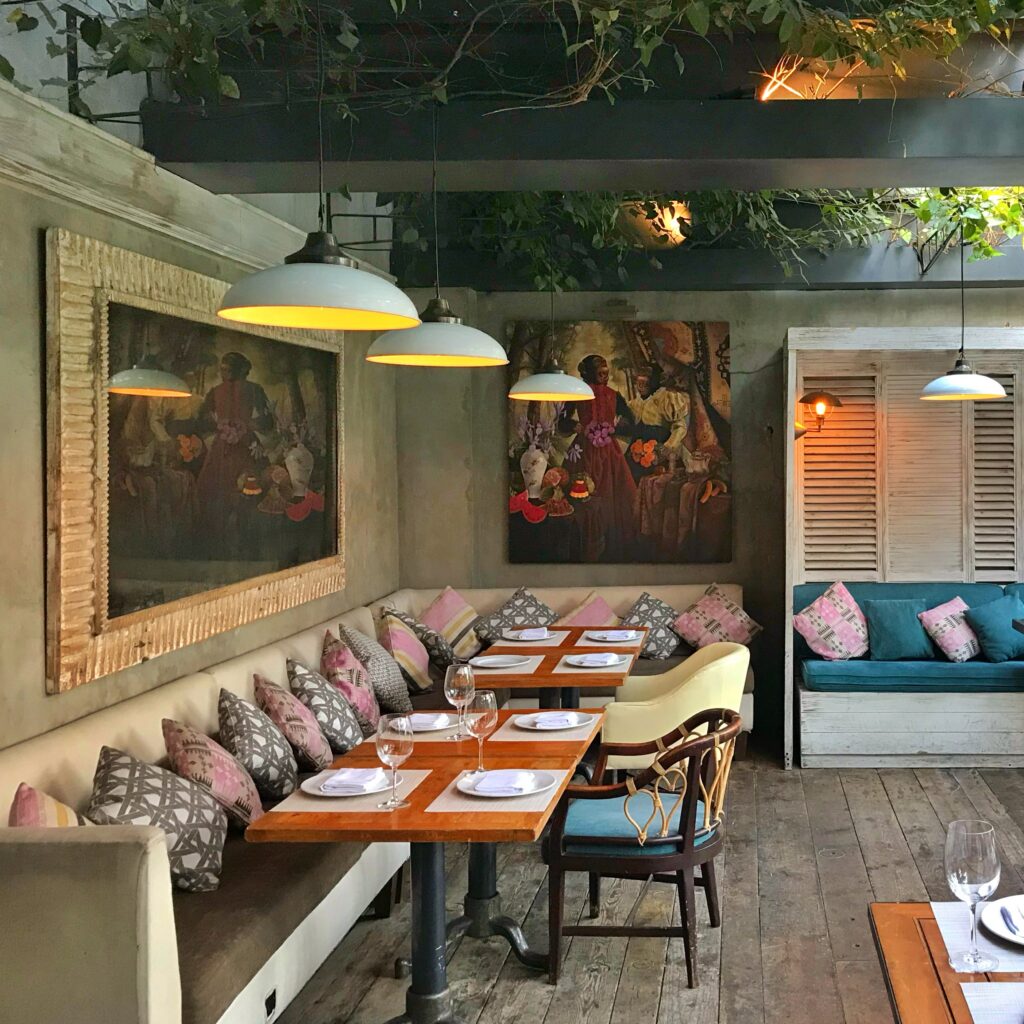
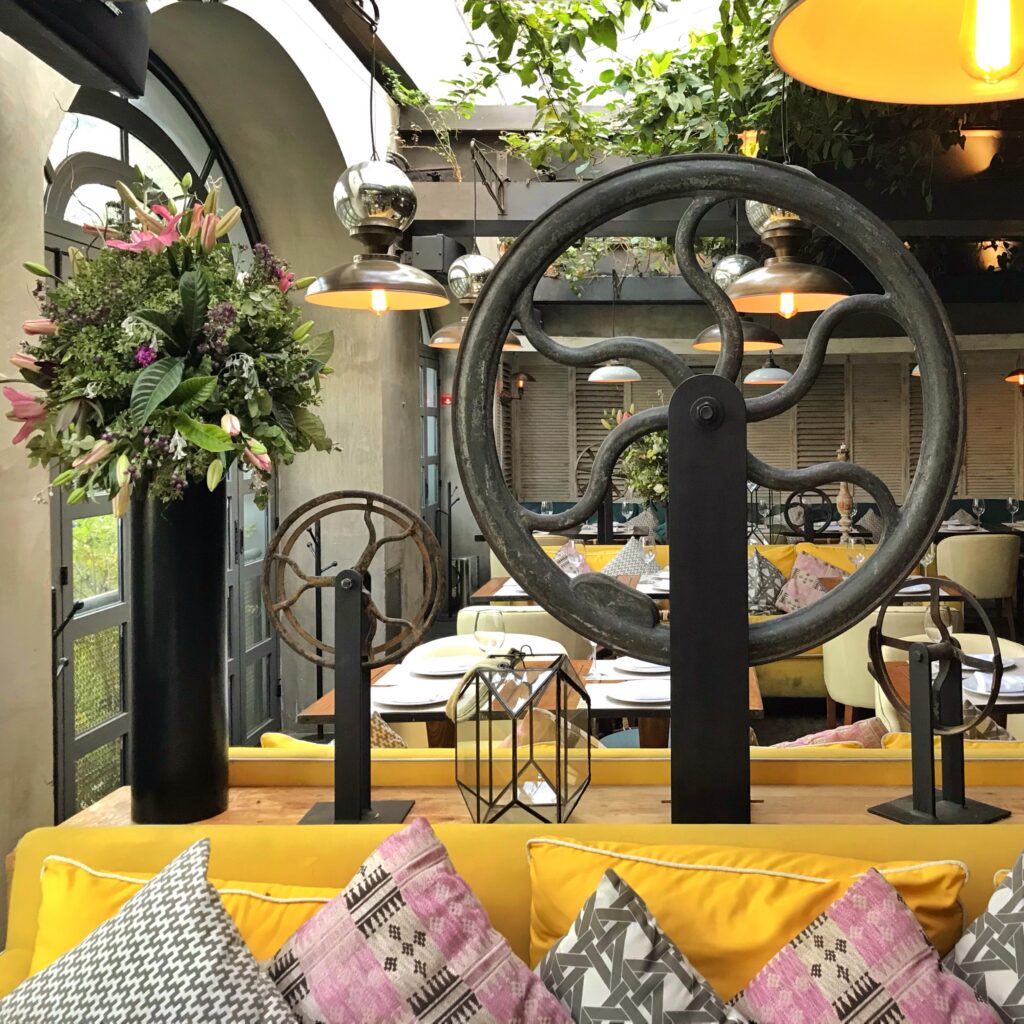
A few doors down from Sylvestre on the same Polanco street, La Única is what happens when a classic Mexican cantina gets a glow-up and decides to stay out late. The restaurant unfolds across multiple dining spaces and two floors, but the terrace is where the magic happens: its own lively bar, plenty of people-watching, and an open-door policy for four-legged friends.
Unlike some of the other spots on this list, La Única isn’t anchored by a single jaw-dropping design moment. Its superpower is energy. It’s polished but never precious, lively without tipping into chaos—the kind of place where lunch becomes cocktails, cocktails become dinner, and nobody seems particularly interested in checking the time.
The menu draws inspiration from Northern Mexico and the Pacific Coast, balancing seafood with heartier grilled dishes. Start with the tuna tostada, bright and fresh and beloved for good reason, before moving on to something indulgent like the ribeye chicharrón.
Come hungry. Come thirsty. Come with friends.
Because sometimes the best restaurant in town isn’t the one you spent weeks trying to get into. It’s the one that welcomes you exactly when you need it.
La Única: At a Glance
The vibe: polished cantina energy.
Best for: spontaneous people and nights with no agenda.
Design details to notice: the layered indoor-outdoor spaces, the terrace bar, and the effortless buzz that makes everyone want to stay for one more round.
If you do one thing: order the tuna tostada and let the evening make the rest of the decisions.
Carlota: The One That Got Away
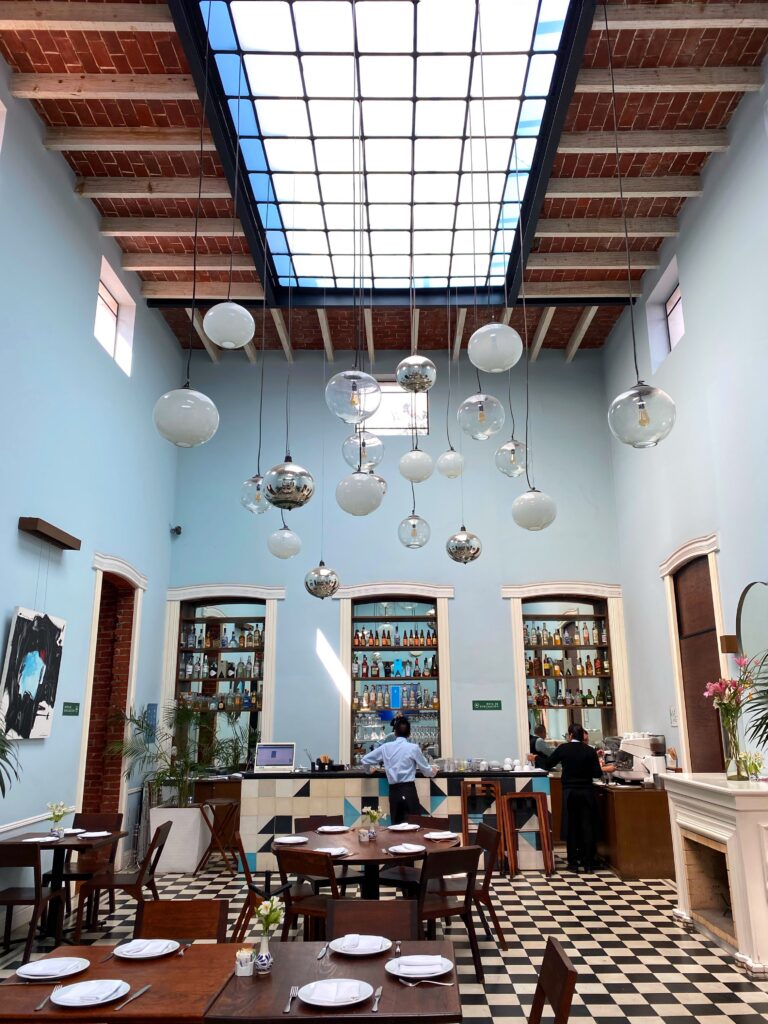
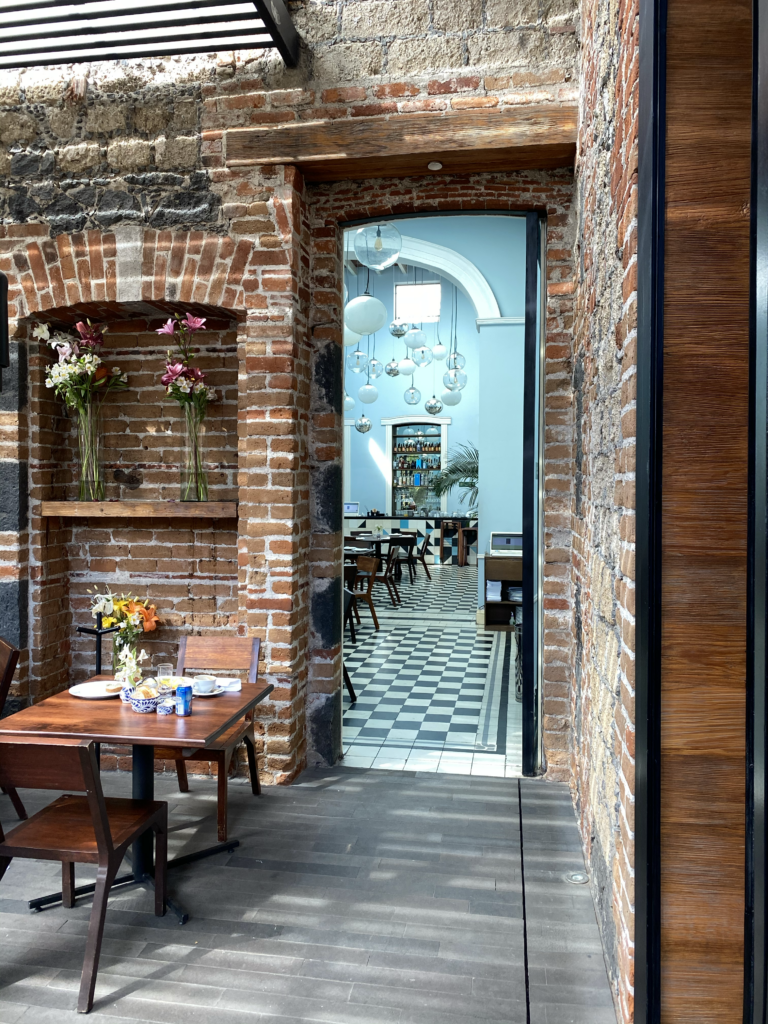
This is a shout-out to Carlota in San Ángel, which quietly closed its doors not long ago.
Set inside a restored 19th-century house beside Museo El Carmen, Carlota had the kind of charm you can’t manufacture. There were vintage tiles underfoot, soaring ceilings overhead, and a patio that looked directly onto the former convent next door, its stone walls standing watch over long brunches and lingering lunches.
I loved it.
I had brunch on that patio more than once, and every visit managed to feel like an occasion without ever trying too hard. It was elegant but approachable—the sort of place that reminded you how much atmosphere shapes a meal.
The thing about restaurants is that they aren’t permanent. They exist for a while, collecting birthdays, anniversaries, first dates, business deals, and ordinary Tuesdays before eventually making room for something else.
A closed restaurant is a lost dream.
So support local whenever you can. Go to the beautiful place. Order dessert. Say yes to another coffee on the patio.
If you made it to Carlota while it was open, you were lucky. If you didn’t, let it be a reminder not to wait too long to book that table while you still can.
That’s sort of the whole point of this list.
Frequently Asked Questions About Beautiful Mexico City Restaurants
What are the most unique restaurants in Mexico City?
If you’re looking for more than just a great meal, Mexico City delivers. Think glass floors suspended over volcanic rock at Tetetlán, a fire-driven Michelin experience at Bajel, a 1950s mansion overtaken by greenery at Sylvestre, Mediterranean glamour inside the city’s famous “Dorito” tower at Aitana, and blue-and-white tiled churro perfection at El Moro. This isn’t just about food. It’s about atmosphere, architecture, and the places that turn dinner into a story.
What are the best rooftop restaurants in Mexico City with the best views?
For sweeping city views, Cityzen at the Sofitel Mexico City Reforma is hard to beat. Its wraparound terrace overlooks Paseo de la Reforma, the Ángel de la Independencia, Chapultepec Castle, and the mountains beyond. Cha Cha Chá offers a livelier rooftop experience, with margaritas, mariachi, and front-row views of the Monumento a la Revolución, arguably one of the city’s most memorable dinner backdrops.
Which Mexico City restaurants are actually worth the hype?
In a city with no shortage of recommendations, these are the restaurants I’d happily return to. Tetetlán lives up to every photo, pairing dramatic architecture with a genuinely fun, exploratory atmosphere. Cha Cha Chá delivers the views and the energy. El Moro remains a classic for a reason, proving that churros and hot chocolate never go out of style. And if you’re looking for a splurge, Bajel’s fire-driven Michelin experience feels worthy of planning an entire evening around.
Which Mexico City neighborhoods have the best design-forward restaurants?
The city’s most beautiful restaurants are spread across several neighborhoods. Polanco is home to stylish standouts like Sylvestre and La Única, conveniently located just a few doors apart. Centro Histórico pairs old-world charm with El Moro and Limosneros, both set among centuries of history. Head south to Jardines del Pedregal for Tetetlán’s unforgettable lava-lined setting, while Paseo de la Reforma offers the Sofitel duo of Bajel and Cityzen. In Tabacalera, Cha Cha Chá combines tropical rooftop energy with front-row views of the Monumento a la Revolución. If you’re trying to maximize a single evening, Polanco and Centro Histórico make the easiest restaurant pairings.
Where should I eat in Mexico City for a special occasion?
Bajel is the answer if you’re celebrating something big. The Michelin-recognized tasting experience, centered around live fire, turns dinner into an event. For old-world atmosphere, Limosneros pairs contemporary Mexican cuisine with centuries-old stone walls, while Sylvestre offers the kind of grand mansion setting that makes you want to settle in for the entire evening. And if you’re doing it properly, begin with a cocktail at Cityzen as the sun sets over Reforma.
What are the most beautiful and Instagrammable restaurants in Mexico City?
For the full aesthetic experience, head to Tetetlán (glass floors over lava), Cha Cha Chá (a rooftop framed by one of the city’s grandest monuments), Aitana (Mediterranean glamour in the famous “Dorito” tower), Sylvestre (an indoor tree with a side of steak), and El Moro (a tiled churro institution that’s looked camera-ready since 1935).
Where can I get the best churros in Mexico City?
Churrería El Moro has been the city’s churro authority since 1935, and for good reason. It’s a Mexico City institution known for serving freshly fried churros alongside thick Spanish hot chocolate made for dunking. Order the churros tradicionales if you’re a purist, or go for the Consuelo (an ice cream sandwich made with churros) if you’re not. The original Centro Histórico location stays open 24 hours, while newer branches, including the beautifully tiled Polanco outpost, bring the same sugar rush wrapped in graphic blue-and-white design.

Consider this list your appetizer: Here’s Where To Go Next
You only get so many meals on a trip. You might as well make them unforgettable.
And while you’re at it, you might as well stay somewhere beautiful, find the perfect cocktail bar, and discover new destinations.
Once you realize how many incredible places are tucked behind unmarked doors and quiet courtyards, it’s hard to go back to “Top 10 Things to Do” lists.
Lucky for you, I already did the wandering.
Grab my free Mexico City Aesthetic Travel Guide and steal the hotels, cafés, restaurants, neighborhoods, and hidden gems that made me fall in love with the city.
More of Mexico City And Elsewhere Around the World
If you liked this post, then you should check out my full Aesthetic Travel Guide to Mexico City post here. Here’s my list of picks for where to stay in Polanco. And also be sure to do a deep dive on the Tetetlán restaurant here.
Before you click away, wander through a few more of my Roam & Reside city guides — made for travelers who care where they eat, sleep, and where they sip.
New York City Aesthetic Travel Guide: For skyline moments, stylish stays, and making the most of your awake hours in the city that never sleeps. And you definitely don’t want to miss my recs for the New York City Restaurants You Need to Book Now.
Nashville, Los Angeles, Santa Monica, and Palm Springs are three more can’t-miss cities with some amazing spaces waiting for you to discover.
r
