
Or maybe the better question is…why doesn’t my home feel like me?
TL;DR: Wondering how to find your interior design style? You’re probably asking the wrong question. After teaching more than 40,000 students, I noticed why so many people struggle to create cohesive homes—even when they have great taste. Before you take another design quiz or start another Pinterest board, read this first.
You didn’t mean to create a design identity crisis.
You bought the chair because it was gorgeous. The vintage lamp because it had character. The woven basket because it felt cozy. The marble coffee table because… well, have you seen marble?
Individually, every piece makes perfect sense.
Together?
Your living room looks like five different Pinterest boards met for brunch and never agreed on the restaurant.
If you’ve ever looked around your home and thought, Why doesn’t this feel like me? or Why can’t I make my house look cohesive? you’re in good company. It’s one of the most common frustrations I hear from homeowners, and despite what the internet might tell you, the solution isn’t to “just pick a design style.”
In fact, I think that’s some of the worst decorating advice out there.
I’m Sarah, a hotel designer who’s taught over 40,000 students, and I want you to hear this before we go one sentence further: liking many styles isn’t your problem. It’s actually evidence of a good eye. The problem is something else entirely, and almost nobody tells you what it is.
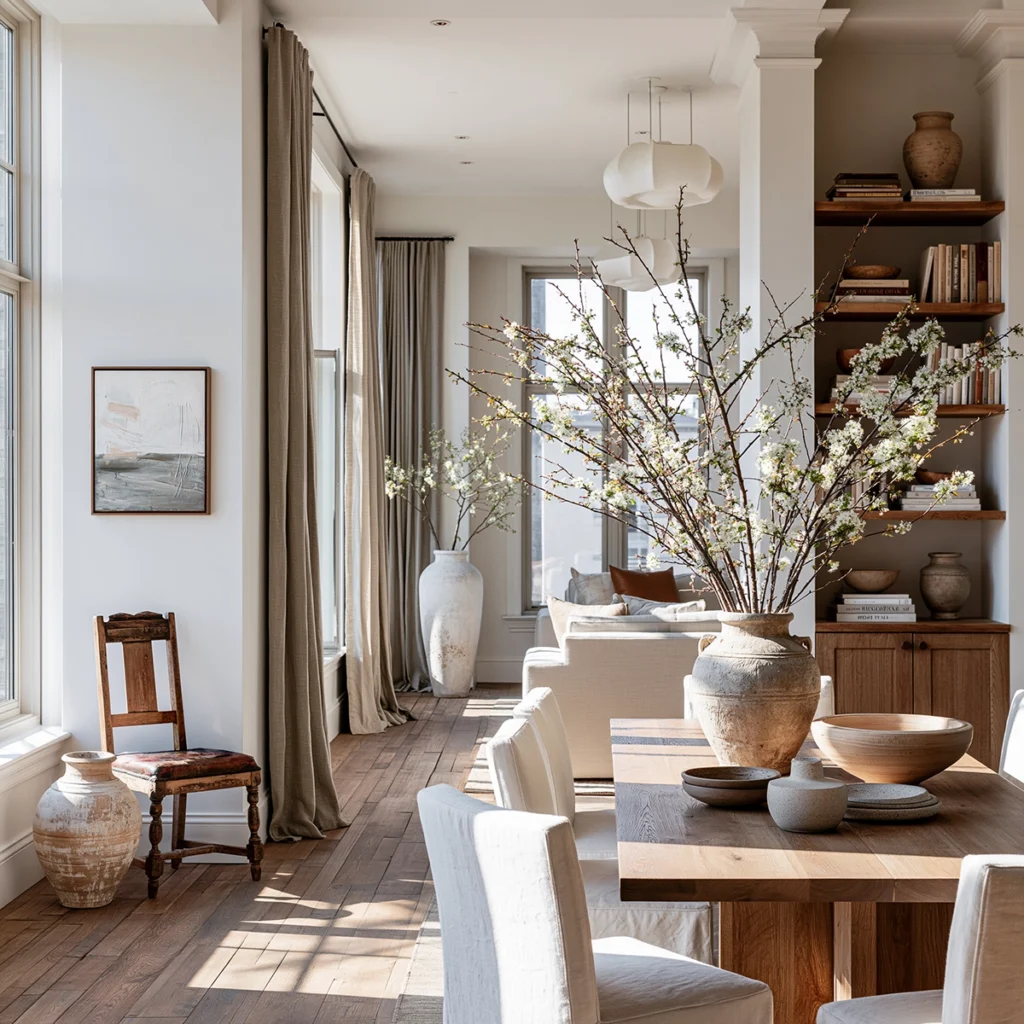
Why Doesn’t My House Feel Cohesive?
The problem usually isn’t that you’ve bought the wrong things. It’s that you’ve made each decorating decision in isolation.
A beautiful chair, a gorgeous rug, and the perfect lamp can all be great choices on their own. But if each one was inspired by a different style, color palette, or feeling, your home can end up looking disconnected—even if you genuinely love every piece.
Creating a cohesive home isn’t about choosing better furniture or limiting yourself to one design style. It’s about recognizing the patterns in what you’re naturally drawn to and using those patterns as a filter for every decorating decision you make.
You’re Not Indecisive About Your Style. You’re Just Looking at the Wrong Problem.
After teaching interior design for a decade, I’ve noticed one misconception come up over and over again.
One of the biggest myths in interior design is that everyone has one perfect style waiting to be discovered. As if one day you’ll wake up, point dramatically at a mood board, and declare, “I’ve found it. I’m officially a Mid-Century Modern person.”
That’s not how design works.
Most of us are drawn to a variety of styles because beautiful spaces share qualities that transcend labels. You might love the warmth of a European farmhouse kitchen, the clean lines of Scandinavian furniture, and the collected charm of an English cottage. That doesn’t make you indecisive. It makes you someone with a curious eye.
The problem isn’t that you love too many things. It’s that no one has taught you how to recognize the patterns connecting them.
Your Style Already Exists. You Just Haven’t Recognized It Yet.
Here’s the good news: you don’t have to invent your style.
It’s already there.
It’s hiding in the hotels you still think about months after your trip. It’s in the restaurants where you found yourself taking photos of the walls instead of the food. It’s in your Pinterest boards, your saved Instagram posts, and the screenshots filling your camera roll.
Those choices aren’t random.
Every time you stop scrolling because a room makes you pause, you’re leaving yourself a clue.
The challenge is that most people never stop to look for the pattern. They keep collecting inspiration without ever asking what all those beautiful rooms have in common. So every time they shop for their home, it feels like starting from scratch.
Why Decorating Starts to Feel So Overwhelming

When you don’t have a clear understanding of what consistently draws you in, every decorating decision feels heavier than it should.
Should you buy the oak dining table or the marble one? Can you mix vintage furniture with contemporary lighting? Is that linen sofa timeless or trendy?
Without a framework, every purchase becomes an isolated decision. You cross your fingers, bring it home, and hope it somehow fits with everything else you’ve already bought. Sometimes it does. More often, it leaves you wondering why your house still doesn’t feel finished.
It’s not because you have bad taste.
It’s because you’re making decisions without a clear filter.

The Mistake Almost Everyone Makes When Trying to Find Their Style
This is where most people head straight for an interior design quiz. Others start another Pinterest board and hope that somewhere between pin number 437 and pin number 812, the answer will magically reveal itself.
Both can be helpful. Neither tells the whole story.
There are three common ways people try to discover their interior design style, and they all do very different jobs. In the next post, you’ll learn which ones are worth your time, where they fall short, and how to use them together to finally create a home that feels like you.
Because your style isn’t waiting to be chosen.
It’s waiting to be recognized.
FAQ’s About How to Find Your Interior Design Style:
Should I take an interior design style quiz?
Sure! A style quiz is a fantastic starting point because it gives you a vocabulary for what you’re naturally drawn to. And I’ve actually made one for you that you can take here.
But a quiz alone won’t teach you how to decorate your home. The real work begins after you have a result, when you learn to recognize the defining characteristics of your style and apply them to real decorating decisions.
Can you mix different interior design styles?
Yes, and actually, most designers do. The goal isn’t to avoid mixing styles. It’s to mix them intentionally. Once you understand the defining characteristics of each style, you can blend them in a way that feels layered and personal instead of confusing or disconnected.
I think I’ve found my design style. Now what?
Congratulations! Most people think finding their style is the finish line, but it’s really the starting point. Once you know what you’re drawn to, the next step is translating those ideas into a cohesive plan for your own home.
→ Read: How to Turn an Interior Design Mood Board into Reality
What are the biggest Pinterest decorating mistakes I should avoid?
I love Pinterest. I use it every single day. But I’ve also watched thousands of students make some serious decorating mistakes because of it. Before you pin one more room, make sure you’re not falling into these common decorating traps.

Ready to Stop Guessing?
I’ve watched my students go from overwhelmed to confident simply by changing the way they looked at inspiration.
So I know it’s possible, and I want you to gain that sense of confidence, as well.
If you’ve ever looked around your home and thought, “I know what I like…I just don’t know how to make it all work together.”
That’s exactly why I created the Interior Design Style Journal. It isn’t about telling you what your style should be. It helps you recognize the style you’ve had all along and gives you the confidence to bring it to life.
If you’re ready to stop second-guessing every decorating decision, the Interior Design Style Journal will help you recognize your unique style, connect the dots between the spaces you love, and create a home that finally feels like you.
Ready for the Next Step?
You don’t have to keep guessing.
There are three popular ways people try to discover their interior design style, and each one serves a different purpose. After teaching more than 40,000 students, I’ve used all of them—but only one consistently helps people understand why they’re drawn to the spaces they love.
That’s exactly what we’ll explore next.
→ What’s the Best Way to Find Your Interior Design Style – Style Quiz vs. Pinterest?
More Tips to Help You Decorate in Style
Here’s my POV on why aesthetics matter; check out my story:
→ How a drink with a stranger changed my perspective on beauty.
And if you know your style and are ready to make it a reality, check out:
→ How to plan a room makeover with my six-step process.
Check out my Room Roasts – Before and After Takedowns
→ Room Roast: A Dated Tuscan Bedroom – The Wrought Kind of Wrong
→ Room Roast: The Frill of it All – A Cautionary Tale of Ruffles and Restraint
→ Room Roast: Bloom Service – Editing an Overgrown Aesthetic by Solving a Soft Girl Spiral
